"Our bodies are not merely our own; they are shaped by encounters with the world, by the stories we live and the relationships we forge. To be embodied is to be in constant flux, to be a site of ongoing negotiation between the self and the world."
Báyò Akómoláfé, These Wilds Beyond Our Fences
We humans are beautiful, grotesque, wise, and vulnerable beings. Each day, we face the trials of living in bodies that stretch, break, heal, need food, water, expand, contract, connect, merge, and separate, often without much reflection.
Living with Type 1 Diabetes for over 30 years has made the workings of my body intensely transparent, felt, and urgent. Every step, bite of food, and moment of thought is a conscious engagement. My survival depends on it. This body doesn't run on autopilot; it takes hundreds of deliberate decisions and actions to keep the basics running. Now I use a semi-automated insulin delivery system that has radically changed the type of engagement and sensing I do to stay alive. I dedicate enormous energy to keeping my body running.
Some ignore their health entirely until middle age awakens them with a warning call. Others learn early that death can come swiftly, and some never realize this until it is too late. Some make a profession of it. There is a prism of truths about the body and its well-being. Ibuprofen can bring down a fever, prayer can reduce blood pressure, and a long relationship and community are the biggest predictors of how long you'll live. Those notions reflect different perspectives, medical, spiritual, emotional, and have shaped what we believe needs to be sensed and shown to understand and act on behalf of our health.
Just like how a map of a territory has a tricky relationship with the actual land, the images we make of our bodies have a similar trickiness. Maps of our bodies have been flat, sliced, projected, colored, printed, drawn, and now they are explorable in multi-dimensions through tools like VR. The images that describe the various metaphors are also a kind of map that we hold in our head. They help us find our way when something isn't working, and help us make sense of what is happening. A map is seductive, as there is almost nothing we want more than to know what to expect, and a map offers that promise. We want to pin down the truth, but the more we try to get to exactness, the further we get from really seeing.
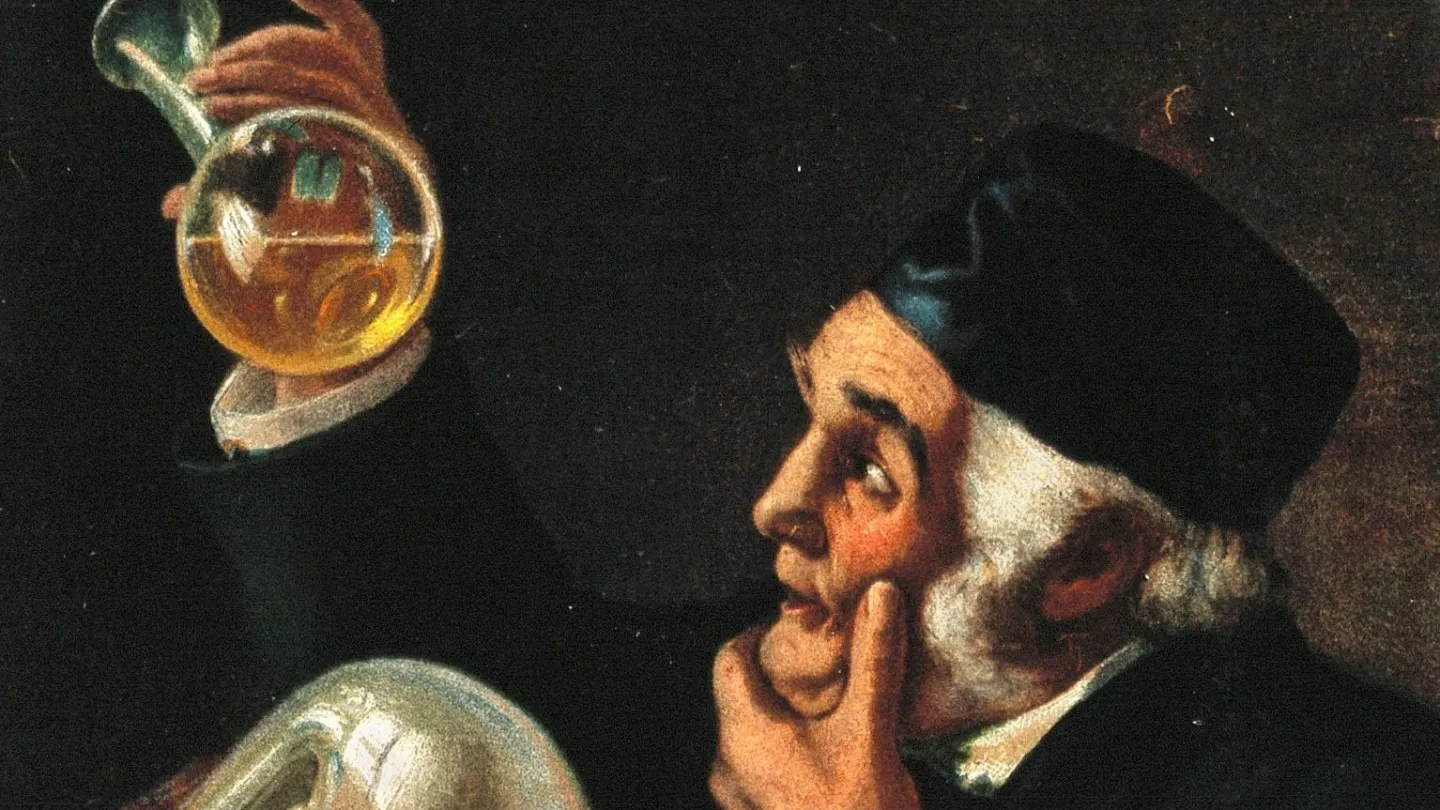
With diabetes (and all medicine), the maps of our bodies and our conception of health has evolved with our sensing technologies. In ancient Egypt, diabetes was known as "Sweet Urine Disease" and diagnosed when it was seen that ants that were attracted to sugary urine. The ant's presence was a death sentence until the discovery of insulin in 1921. In 1970, the first glucose meter was invented, shifting the disease into a series of tasks based on numbers. In 1999, the first continuous glucose monitor (CGM) was approved. This sensor allowed us to make a map of the day with glucose data. One could deduce when you eat, when you move. These sensors have radically changed how we manage diabetes. Today, insulin delivery systems connect to CGM data in order to automate insulin delivery. The proliferation of automation is and will continue to push these data images into the background.
Automation raises questions about user engagement with fully automated insulin delivery, and frankly, any automation. The expectation that automation will replace the need for engagement is a false premise. The fantasy of a seamless transition to a cyborgian future is naïve. We know from other highly automated industries, home thermostats, refineries, aircraft, and automobiles, that the automation will reduce the need for humans to perform some actions but will add the need to supervise. We no longer need ants to diagnose diabetes or glucose readings at every meal. So, what do we want to sense, and what information do we want to see now?
Images are a tool to make the imagined seen; they can present a reality that doesn't exist, for better or worse. The imagination and its images can be used to heal a spine, to guide self-care, and to discover what isn't yet known.
Images shape our perception of the world, the environment, each other, ourselves, our relations, and our bodies. The sensors technologists develop provide tools to extend our natural ability to see. The concepts and metaphors we use for bodies guide the development of technology. The images that are made by designers and artists make visible how we be with ourselves, our bodies, and one another.
The images we create reflect our concepts of health, and these concepts, often shaped by metaphors, guide our actions. As George Lakoff wrote in Metaphors We Live By, "Because we reason in terms of metaphor, the metaphors we use determine a great deal about how we live our lives." In medicine and technology design, the metaphors we hold for our bodies influence not only how we understand health but also how we experience disease. And the process of making, not the final image, is where we learn the most.
In this book, we explore how we perceive our health, disease, and our bodies through images. Do we see ourselves as data points, machines controlled by a motherboard, or perhaps as ecosystems like forests filled with water and life? We use technologies to understand our inner body workings in profound ways and have developed an incredible range of tools and methods to care for ourselves. I wonder, through our techno-centric lens, are we missing something unseeable but feel-able? What would happen if we integrated our somatic knowledge with our technological capabilities?
My lived and professional experience has developed a fascination with the role of sensing technologies, the images they produce, and how these shape our perception of our health. This book is a collection of images and ideas that span different times and cultures, examining how we depict our bodies and the technologies we've developed to sense and understand them. I hope this collection of images, opinions and ideas are inspiring, provocative and informative for technologists, designers, and healthcare professionals and those who are curious about how we sense, how we make sense, and how our technologies sense us.
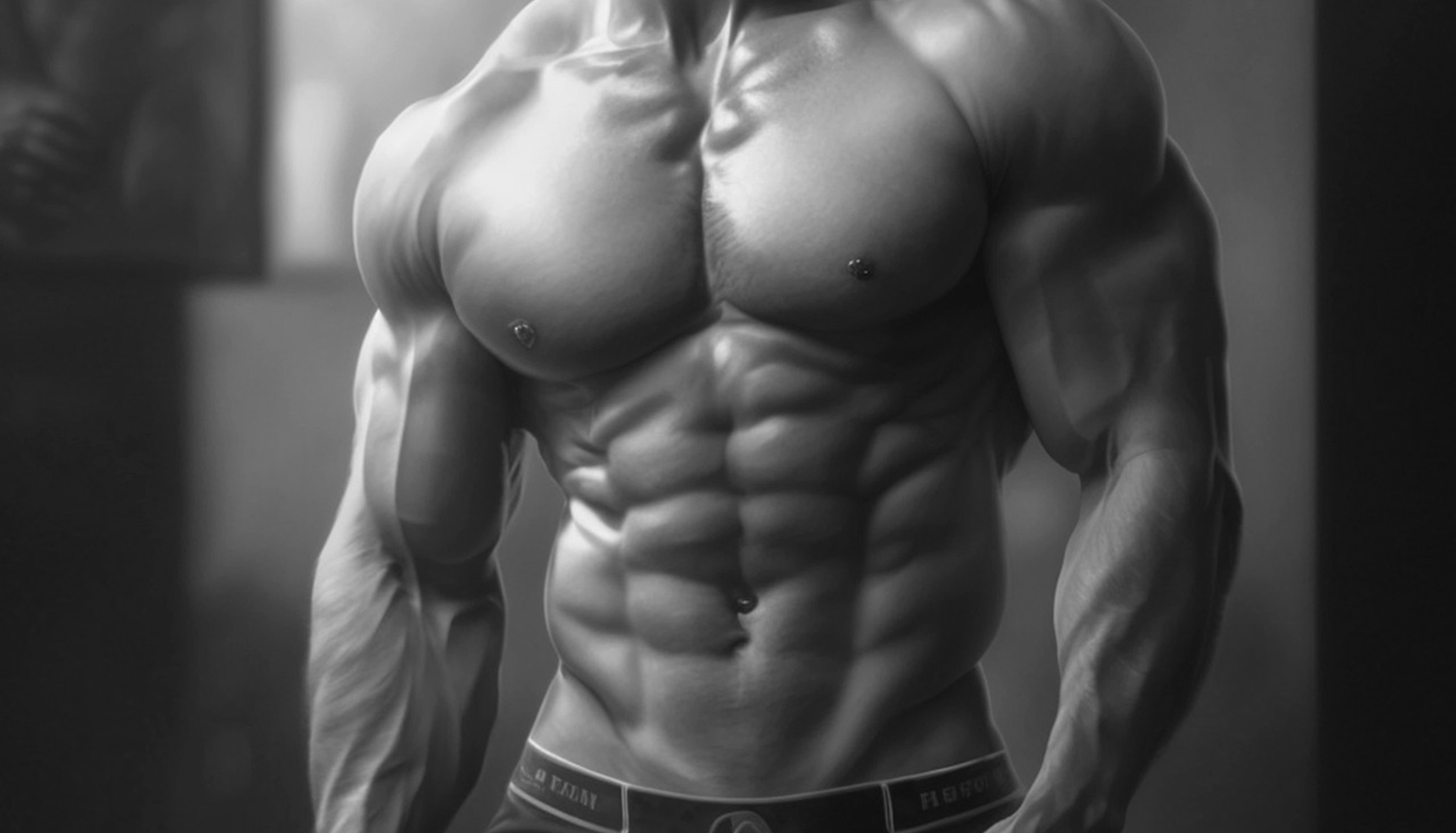
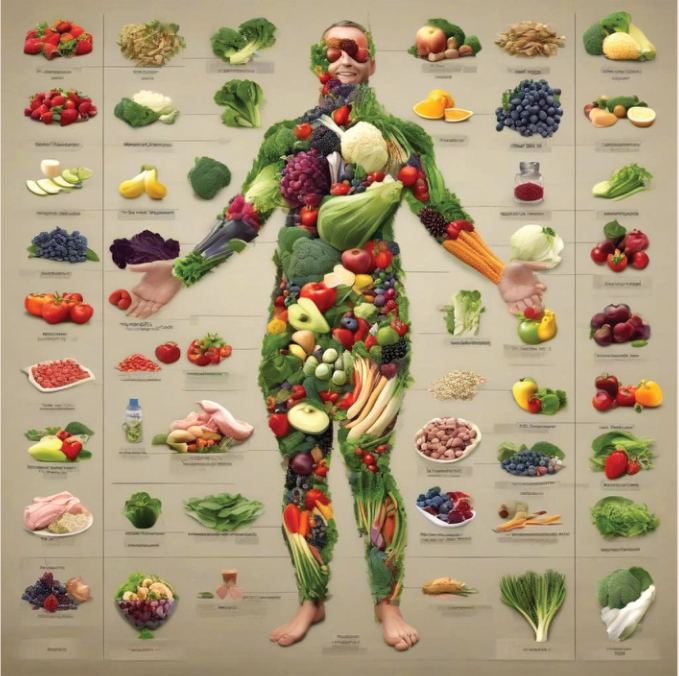
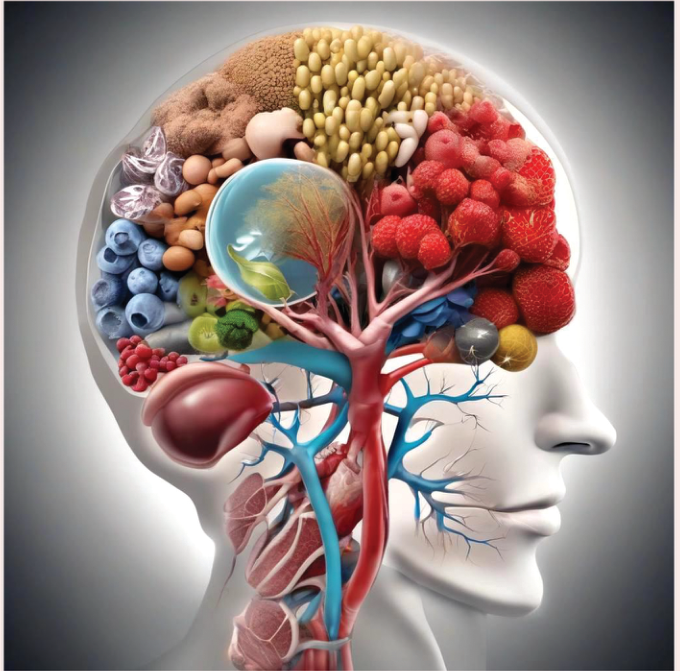
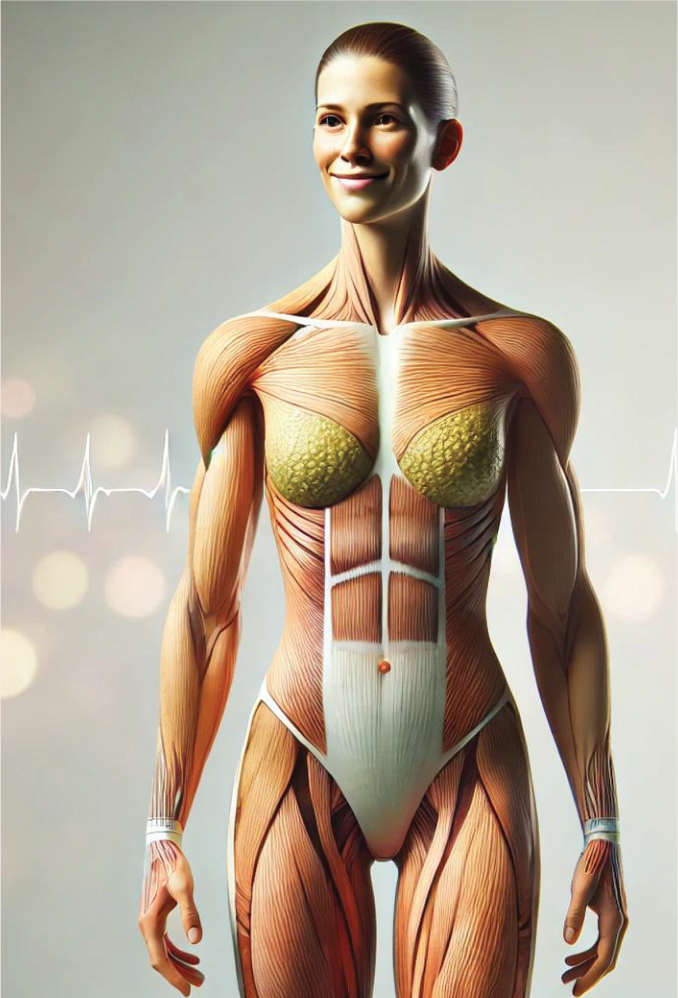
I.ChatGPT responds to "What does health look like in a human body?"
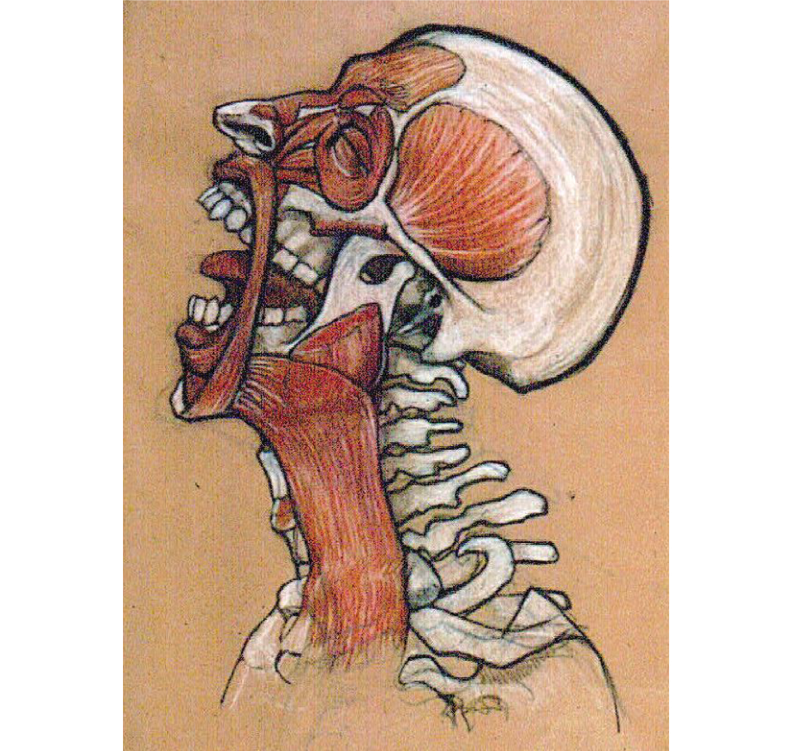
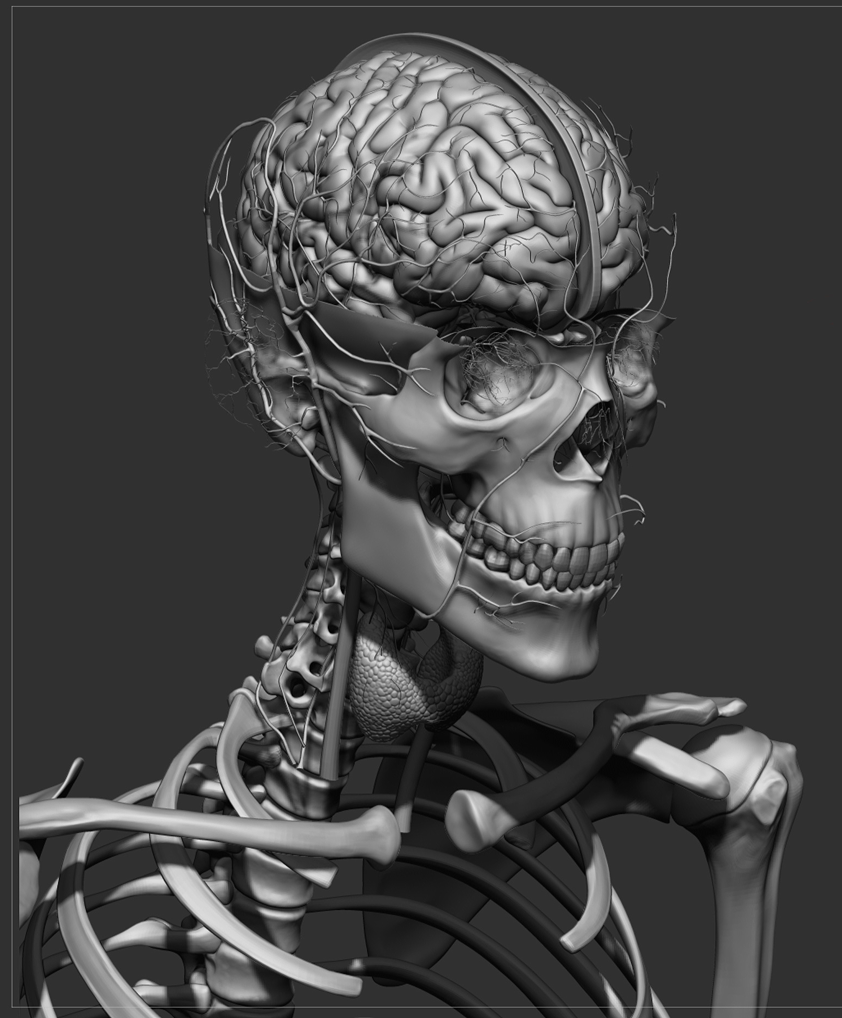
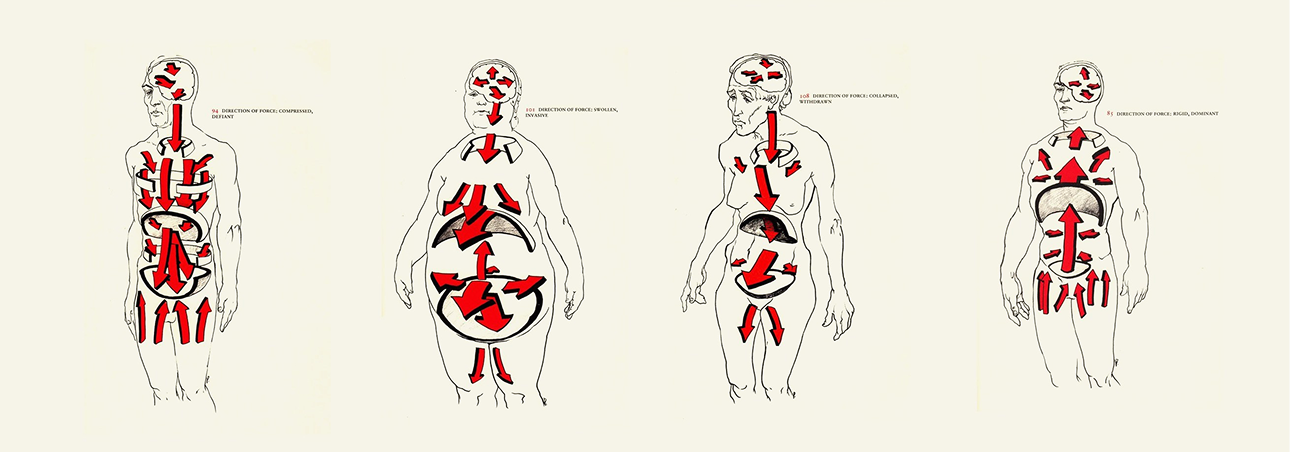
II.Anatomist and illustrator Vincent Perez shows how emotion and facial structure relate.
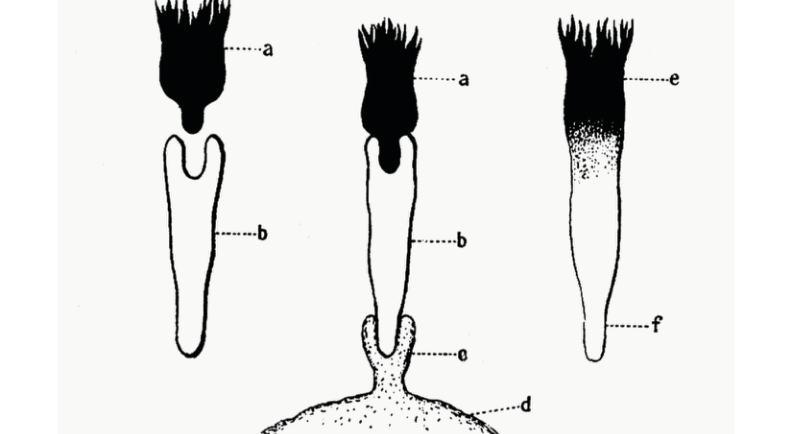
III.Paul Ehrlich and Julius Morgenroth drew how an antibody and toxins related.
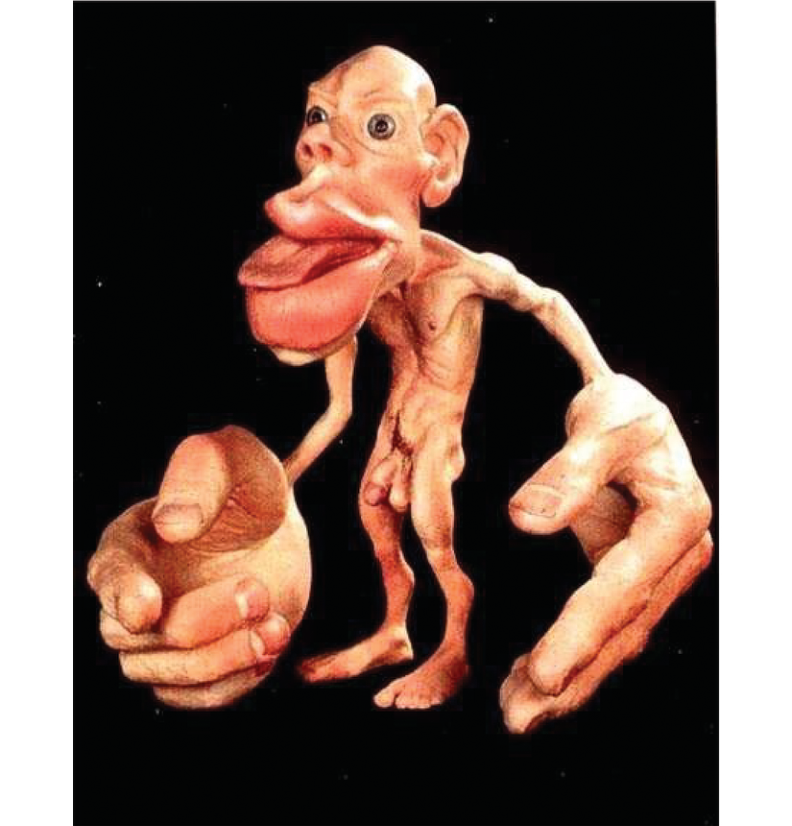
IV.The homunculus image visualizes the relationship between our neurons and our flesh.
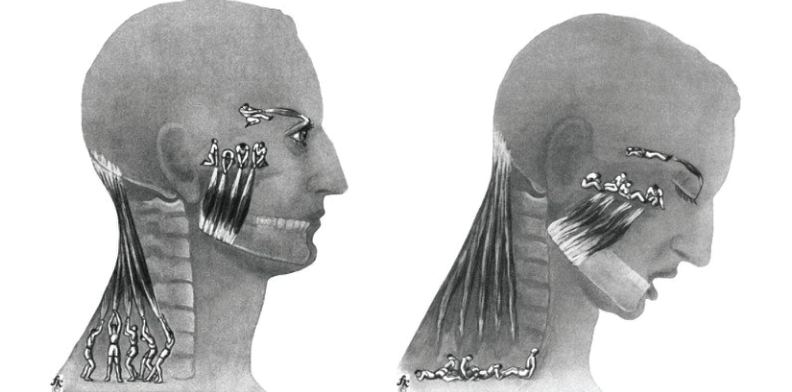
V.Fritz Khan uses a visual to explain jaw and neck muscle movements.
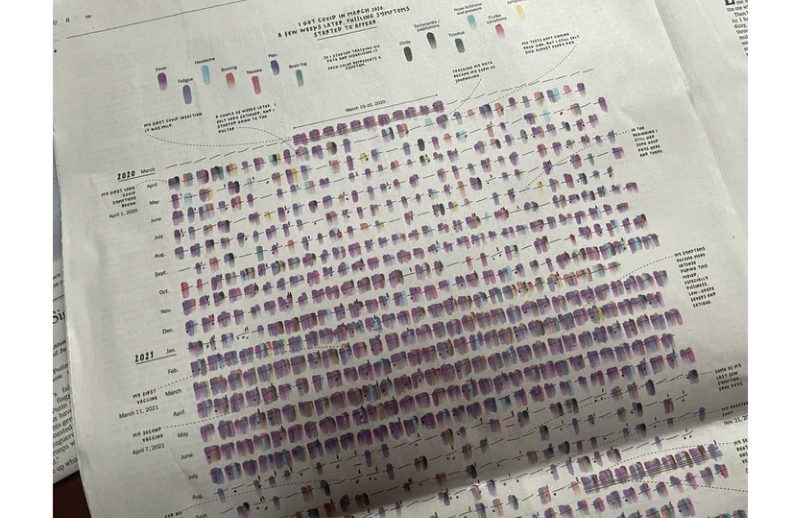
VI.Georgia Lupi shows what Long Covid looks like in "1374 Days: My Journey with Long Covid."
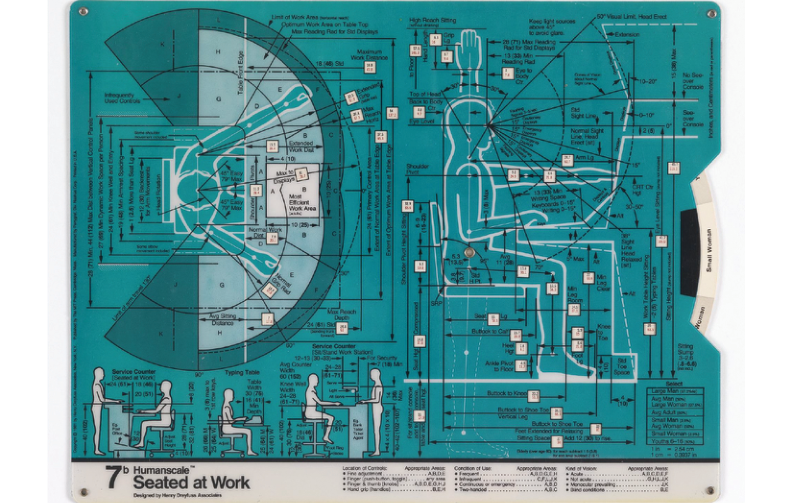
VII.Henry Dreyfuss Associates created Humanscale to help designers create products for the body.
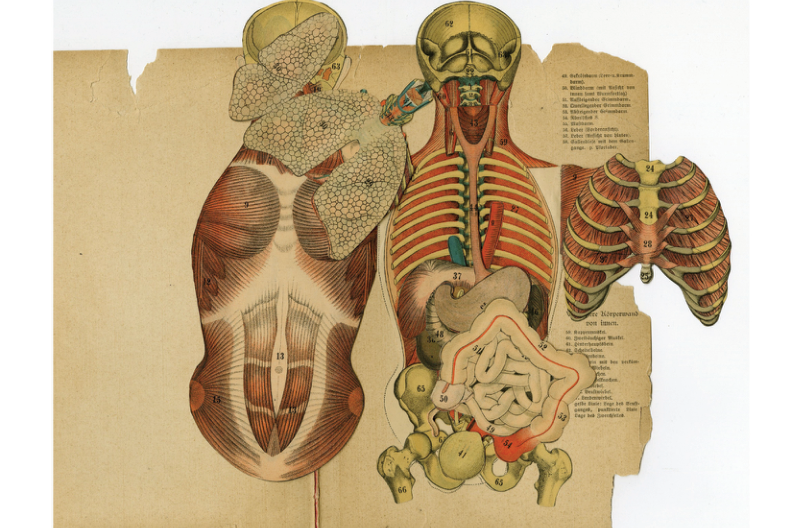
VIII.An unknown source from the late 19th century found at the Prelinger Archives details each organ for medical education.
Part Two
Bodies
As a Background
"Was there a human being inside the bear suit? Or was the bear suit the human being?"
Margaret Atwood, Oryx and Crake
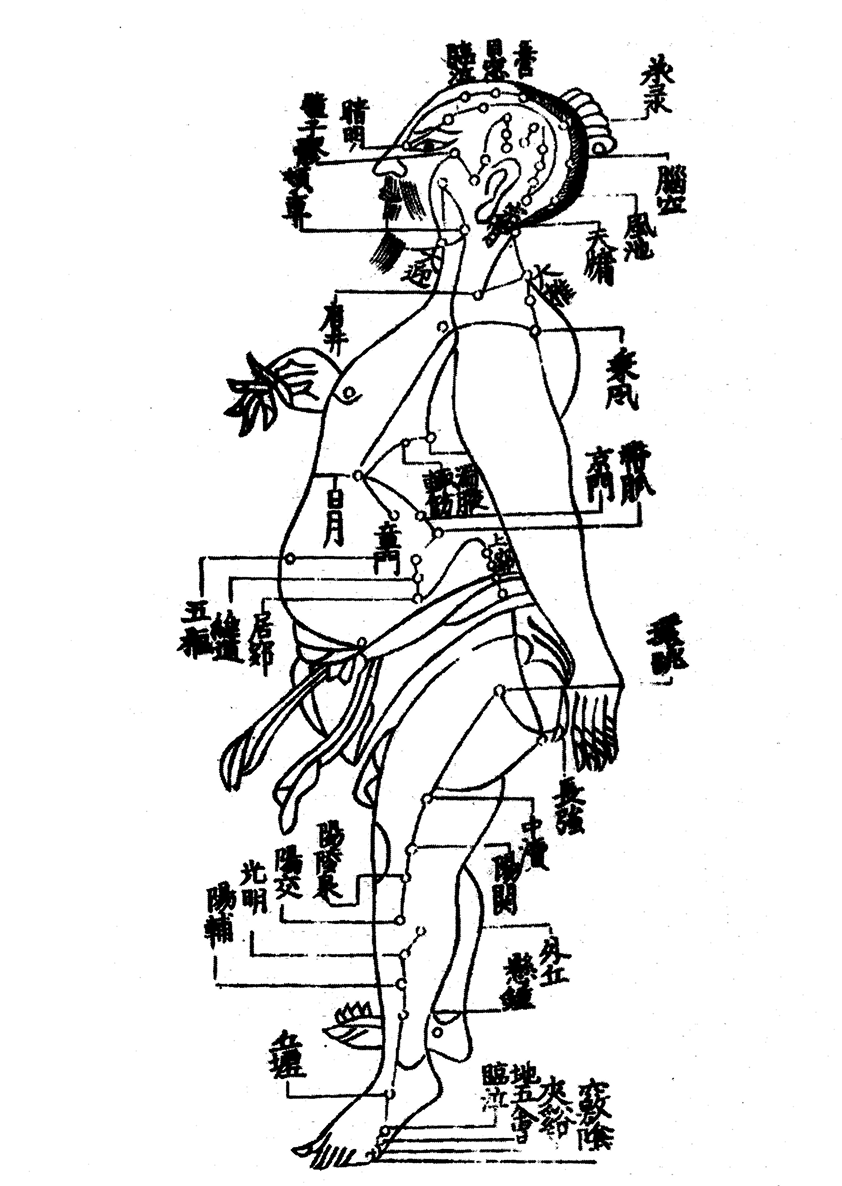
Humans have mapped the body from many different perspectives. In the Greco-Roman perspective, anatomy and physiology are the foundation of our understanding of health and so we have made highly detailed images of muscles, bones, organs, cells and so on. In the eastern perspective, meridians are the entryways to the body's health and we have maps of access points, chakras and meridians.
Over centuries, we've developed technologies to look within the body. This exploration began with dissection, followed by microscopes, X-rays, MRIs and fMRIs, PET scans, ultrasounds and more. Sensors allow us to create images from collected data. There are cameras small enough to travel inside our bodies, offering unprecedented views of our internal systems. As technology has evolved, so too have images, becoming increasingly detailed and precise with each advancement.
The evolution of image making parallels the evolution of the technologies used to produce the images. We started with traditional media like paint and ink, followed by printing technologies; woodblocks, lithographs, and engravings. Then photography and now, in the digital age, most imaging relies on computational methods, like fMRI or electron microscopy, producing unparalleled detail and fully automated images. We can now also work within the images in virtual reality, expanding the utility of the image to things like rehabilitation and technical training.
We have made images, maps, of our bodies at different scales and from different angels. These images give us insight into what our culture and our science believes as truth.
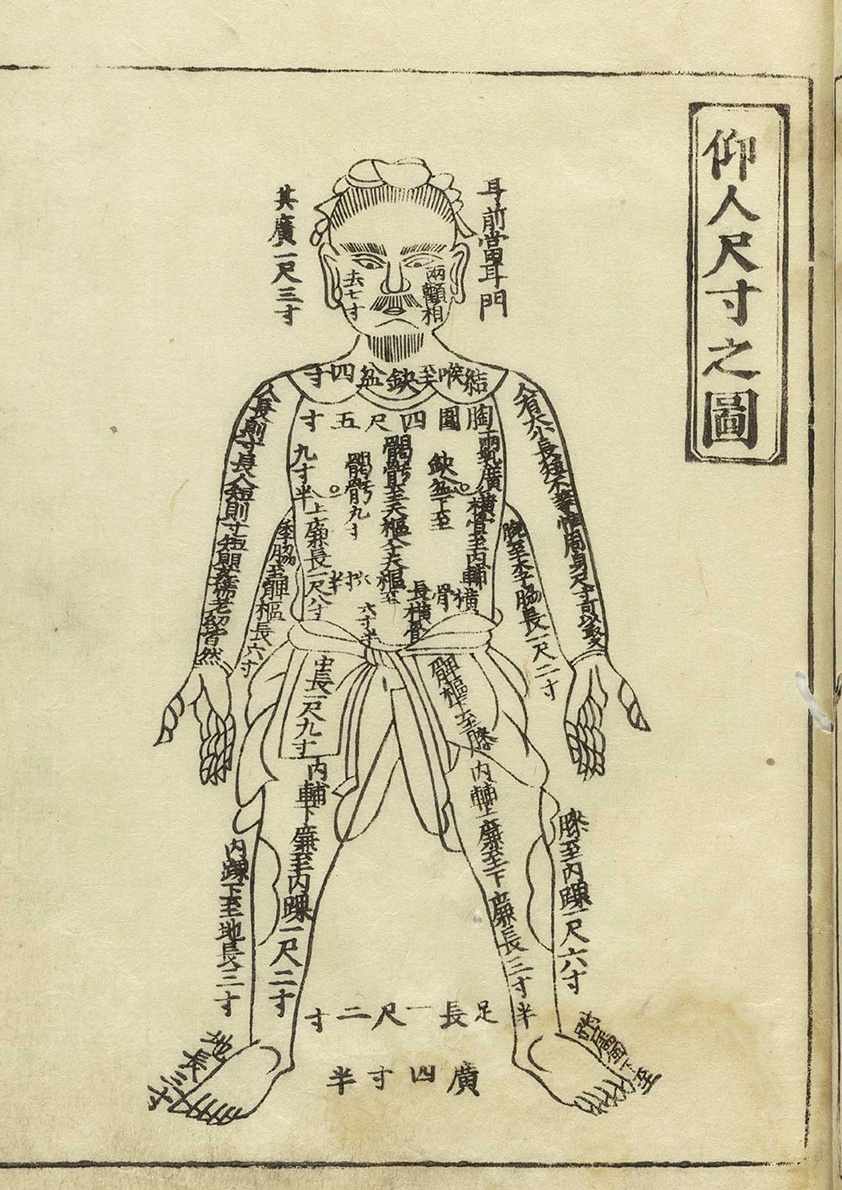
I.1.Routes of the Fourteen Meridians and their Functions by Hua Shou. Titled Shisijing fahui from 1341.
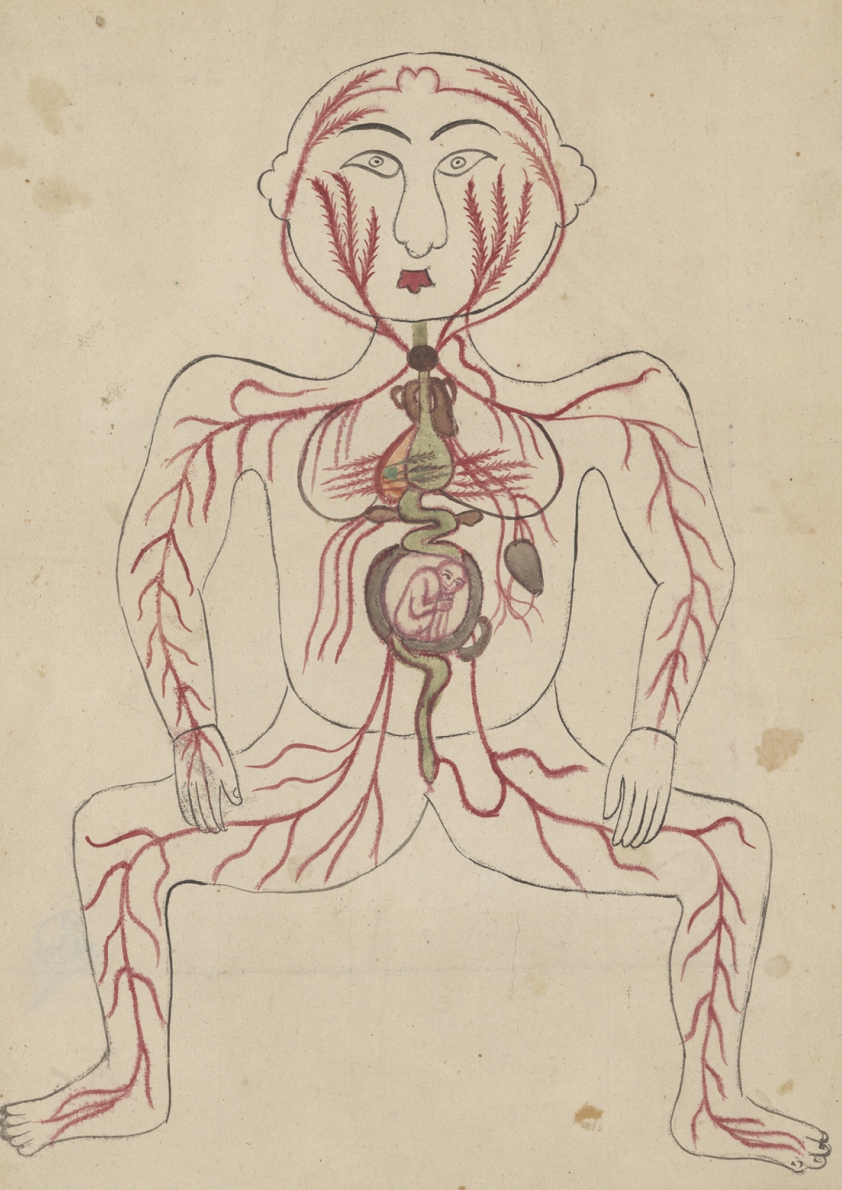
I.2.Drawn in Persia in 1396. From "The Five Layers" by Mansur ibn Ilyas. Each drawing details a systemic layer known to exist at the time; bones, nerves, muscles, veins and arteries.
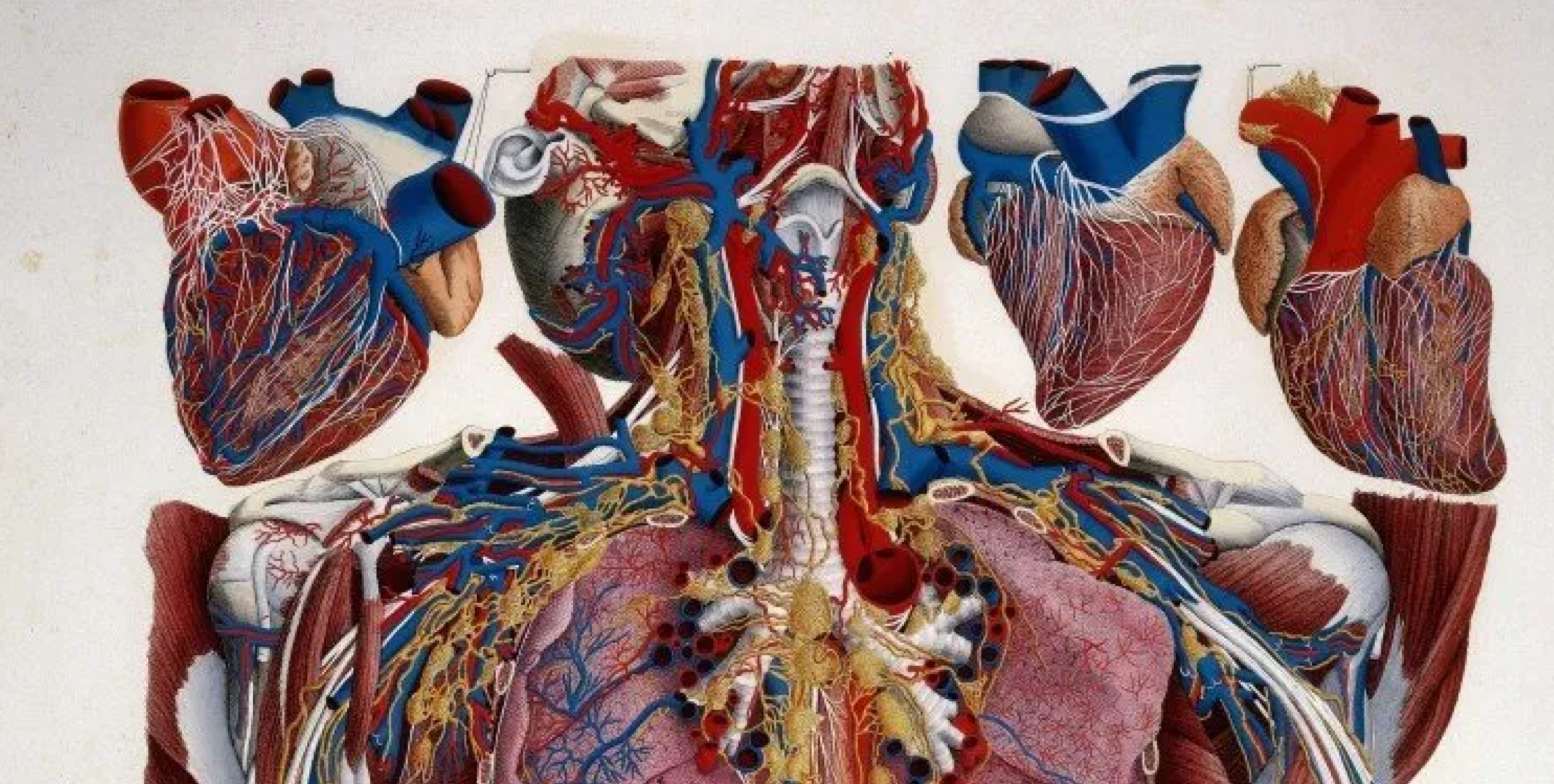
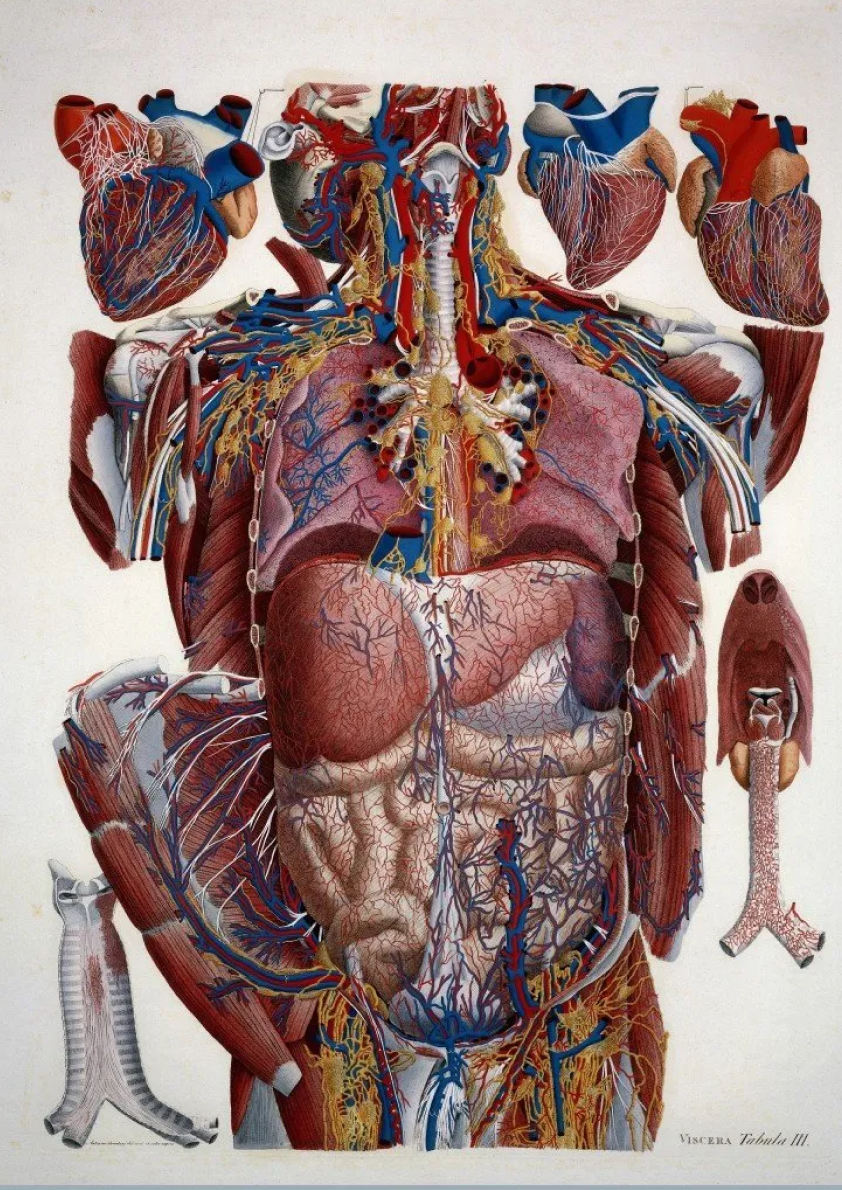
II.a.An exploded view of the thorax by Paulo Mascagni, dissection leader at the University of Siena, 1823–31.
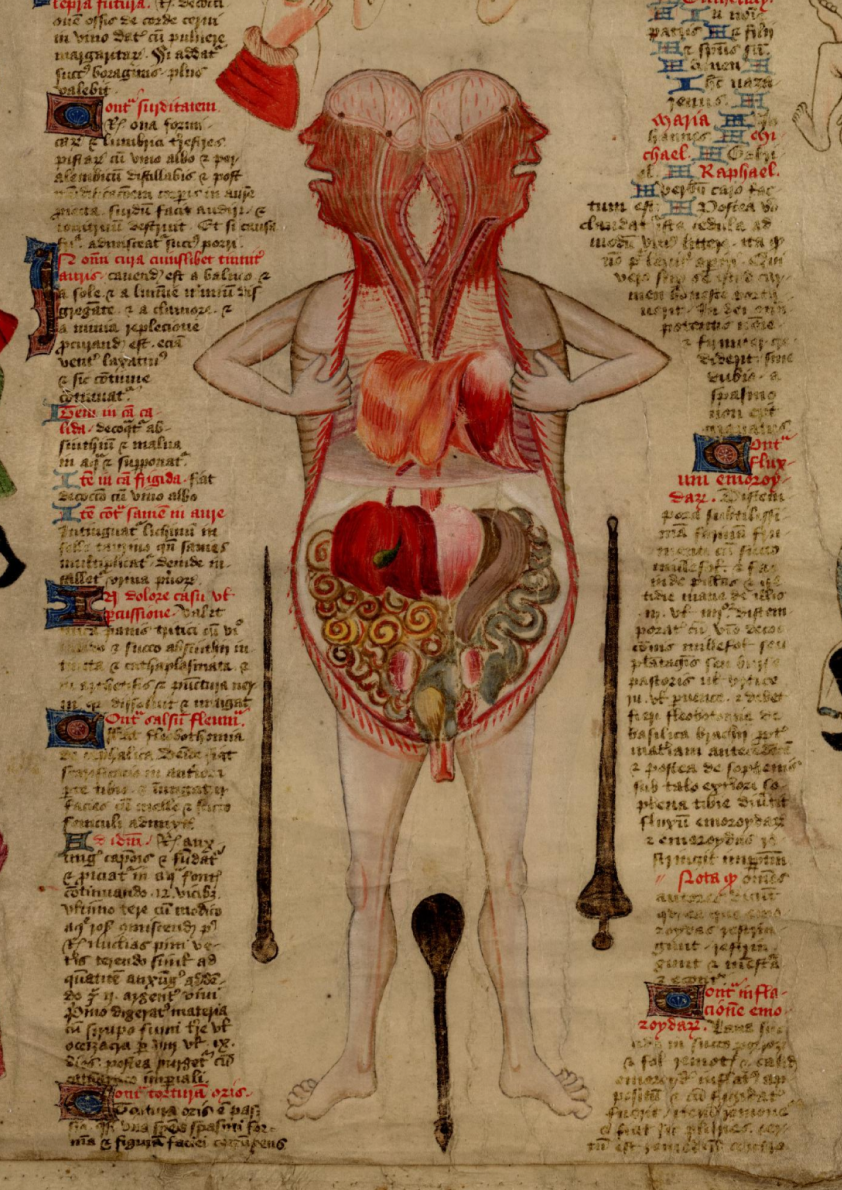
II.b.De Arte Phisicali e de Cirurgia by John Arderne, 1412. Bodies drawn during the hundred years war, the first war to show the impact of gunpowder.
III.a.Wang Weiyi woodcut showing all acupuncture points, 1443.
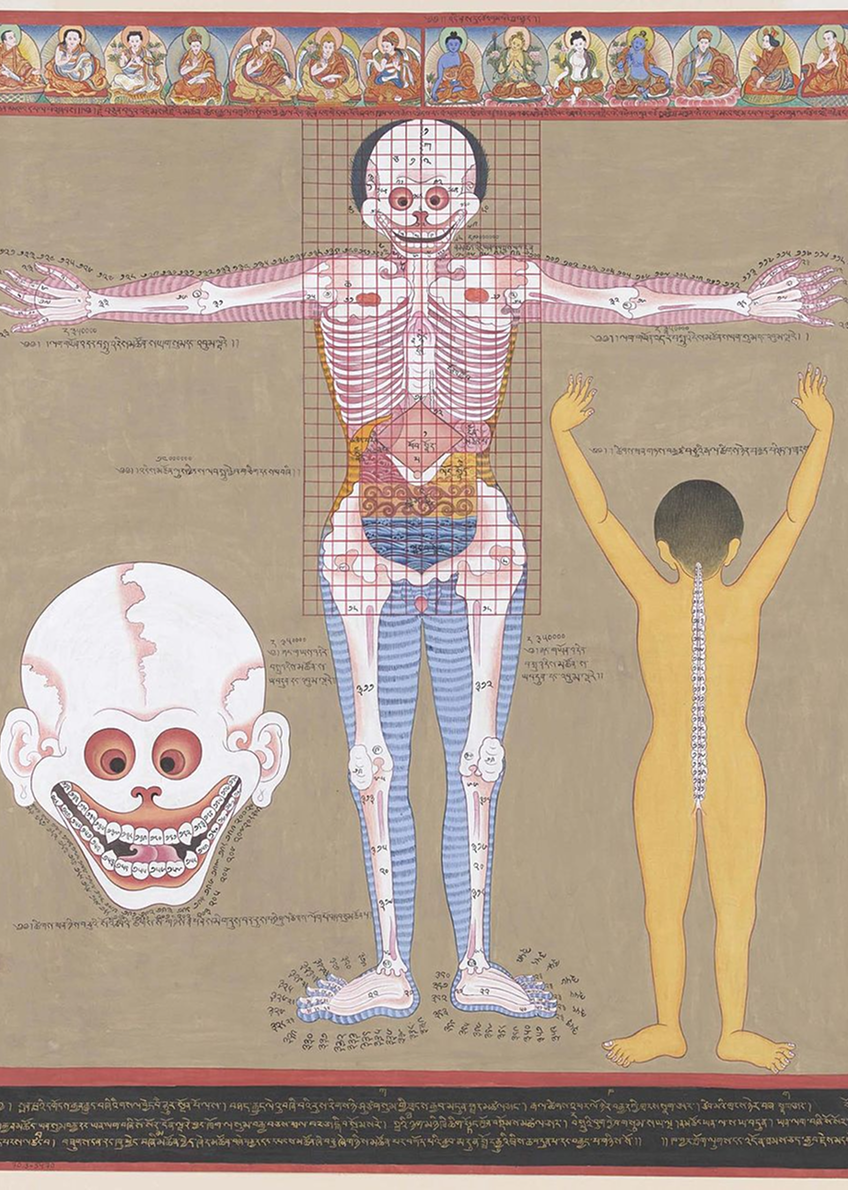
III.b.The Blue Berg, Tibetan Medical text, 1703–1705.
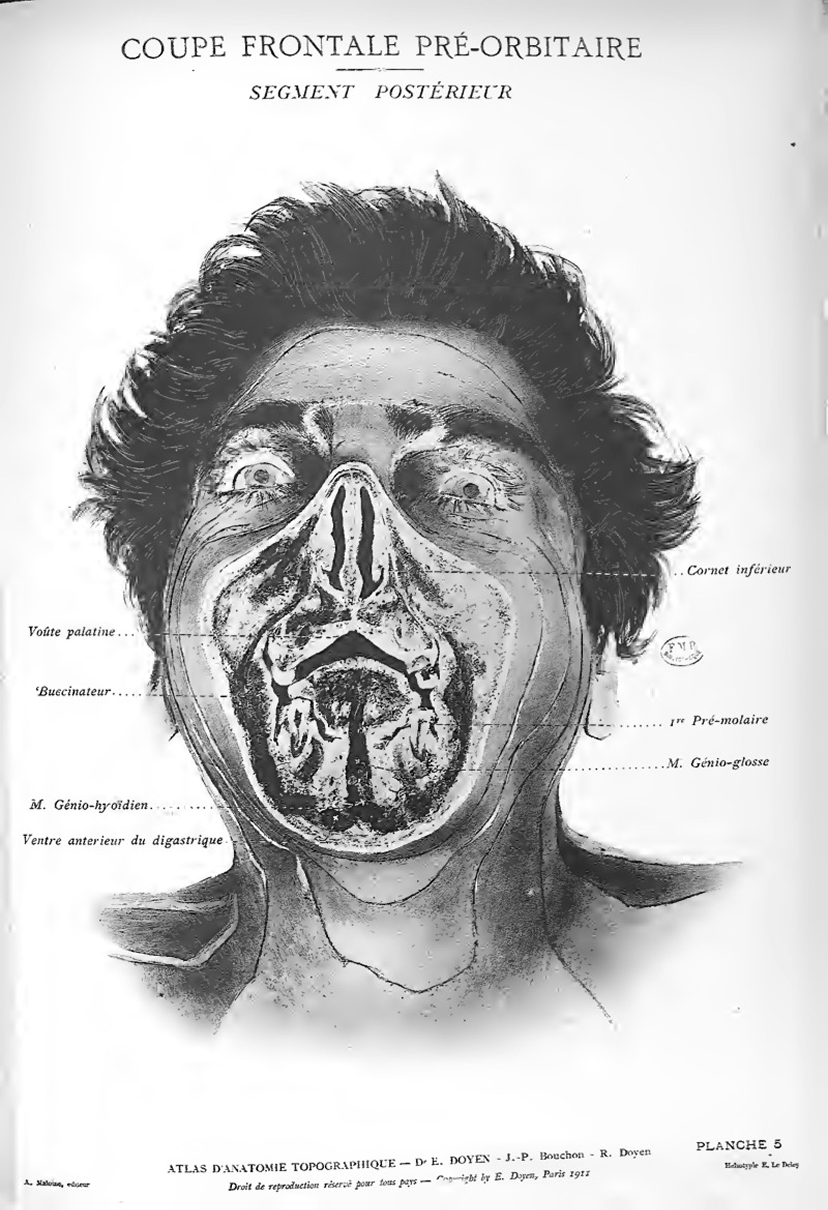
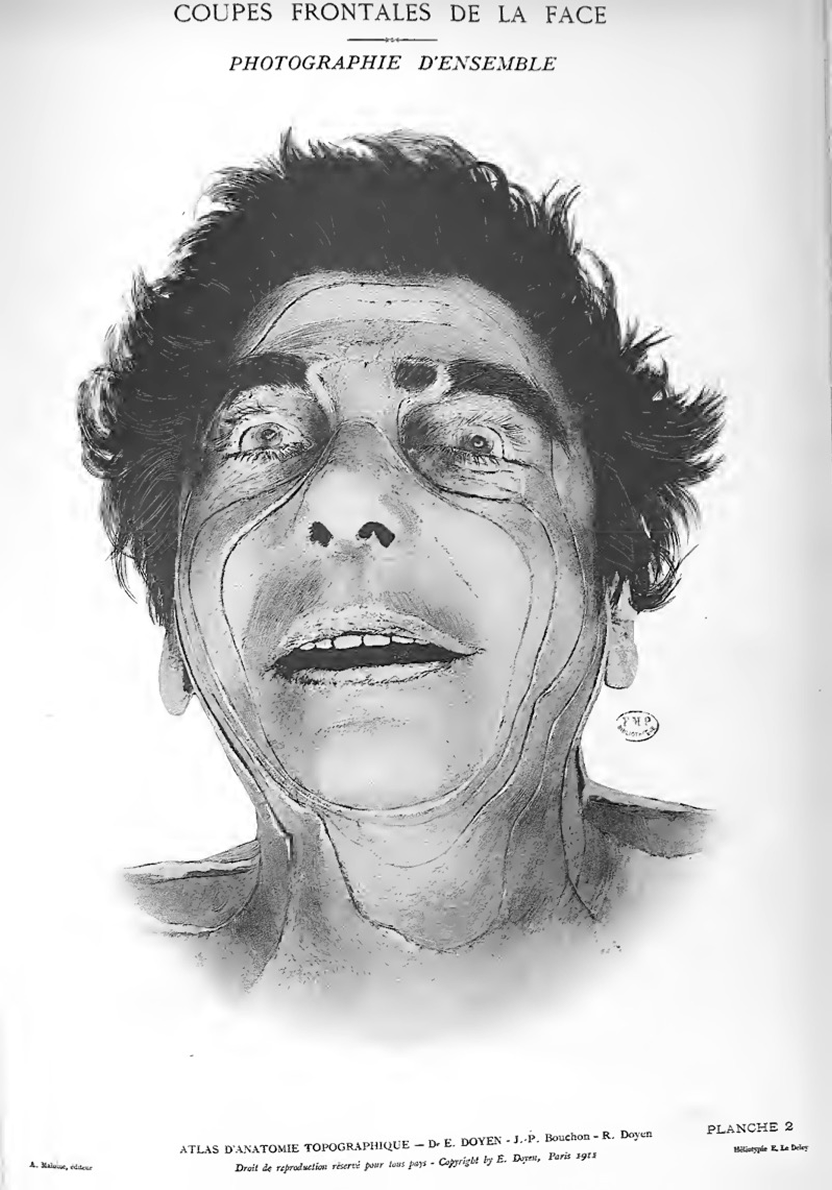
IV.a.Eugène-Louis Doyen, Atlas d'anatomie topographique, 1911. Cross-sectioned frozen bodies photographed and reproduced as heliotypes.
IV.b.Eugène-Louis Doyen, 279 photographic plates of cross-sectioned frozen bodies, 1911.
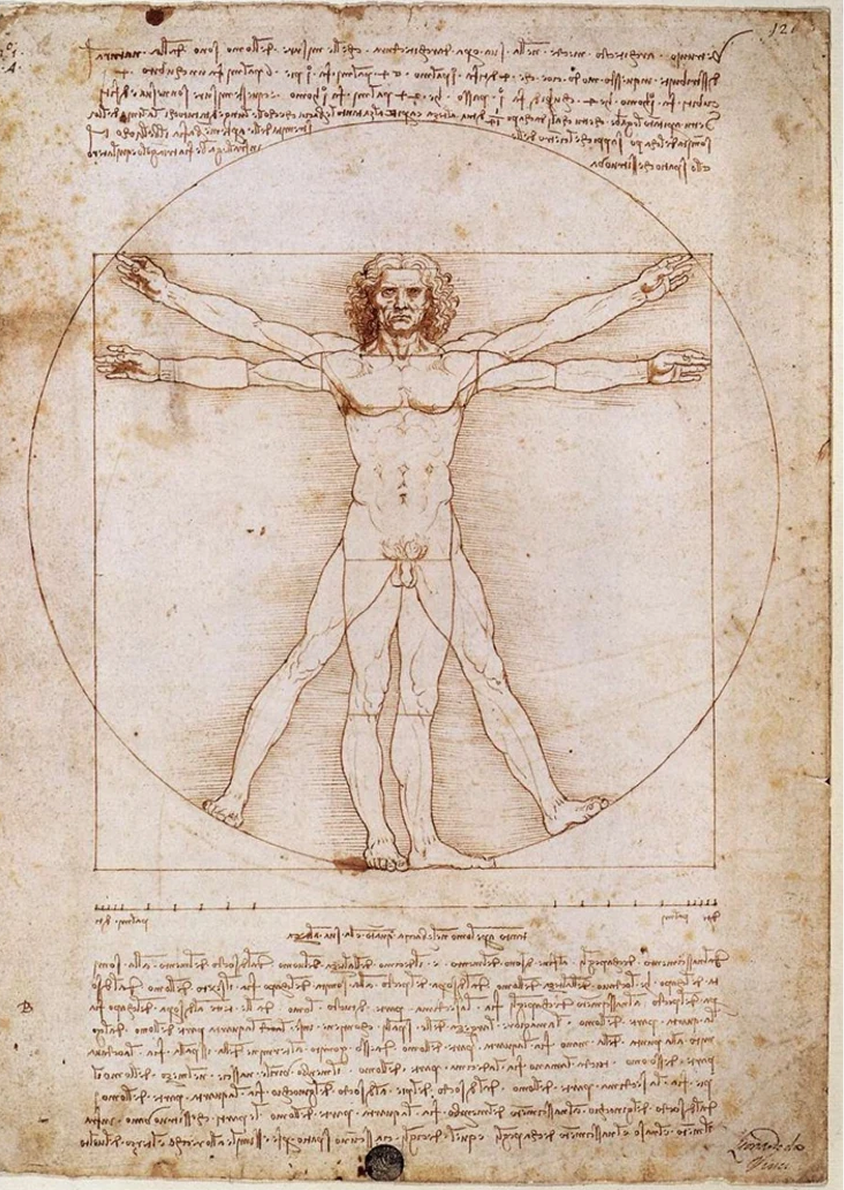
V.a.Da Vinci's Vitruvian Man, 1490. The perfectly proportioned physical ideal — not the pained, emotional, lived reality.
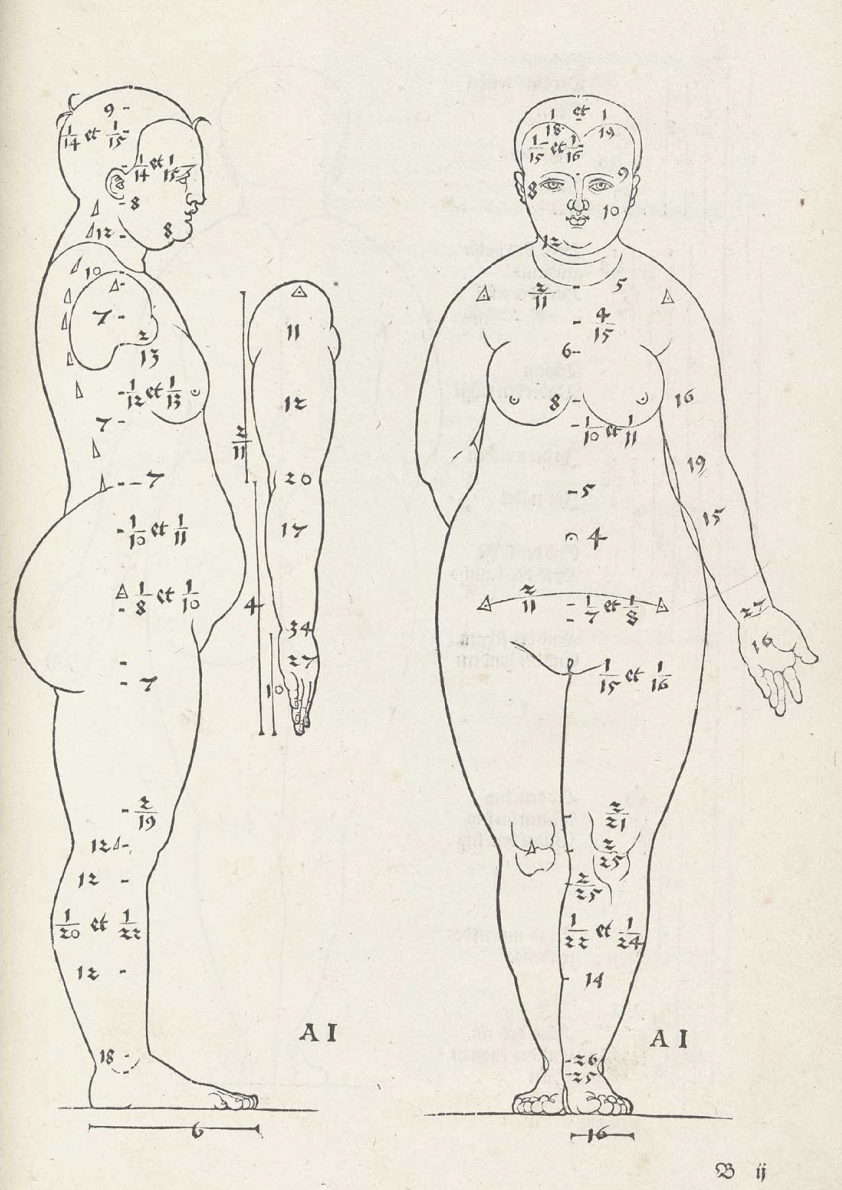
V.b.Dürer's Vier Bücher, Von menschlicher Proportion, 1528. The first published attempt to apply the science of proportion to anatomy, including very large and very small people.
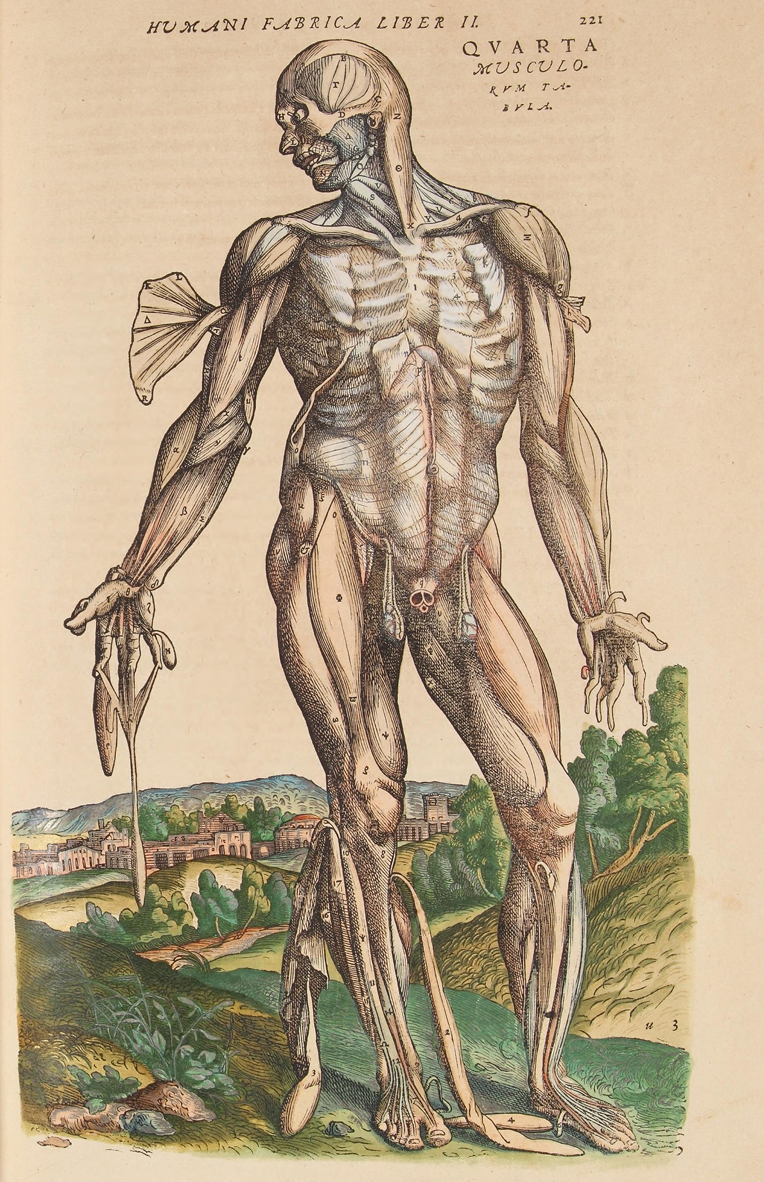
VI.a.On the Fabric of the Human Body by Oporunus and Vesalius, 1546. The body shown in gesture, displaying the organic shape of muscles and innards.
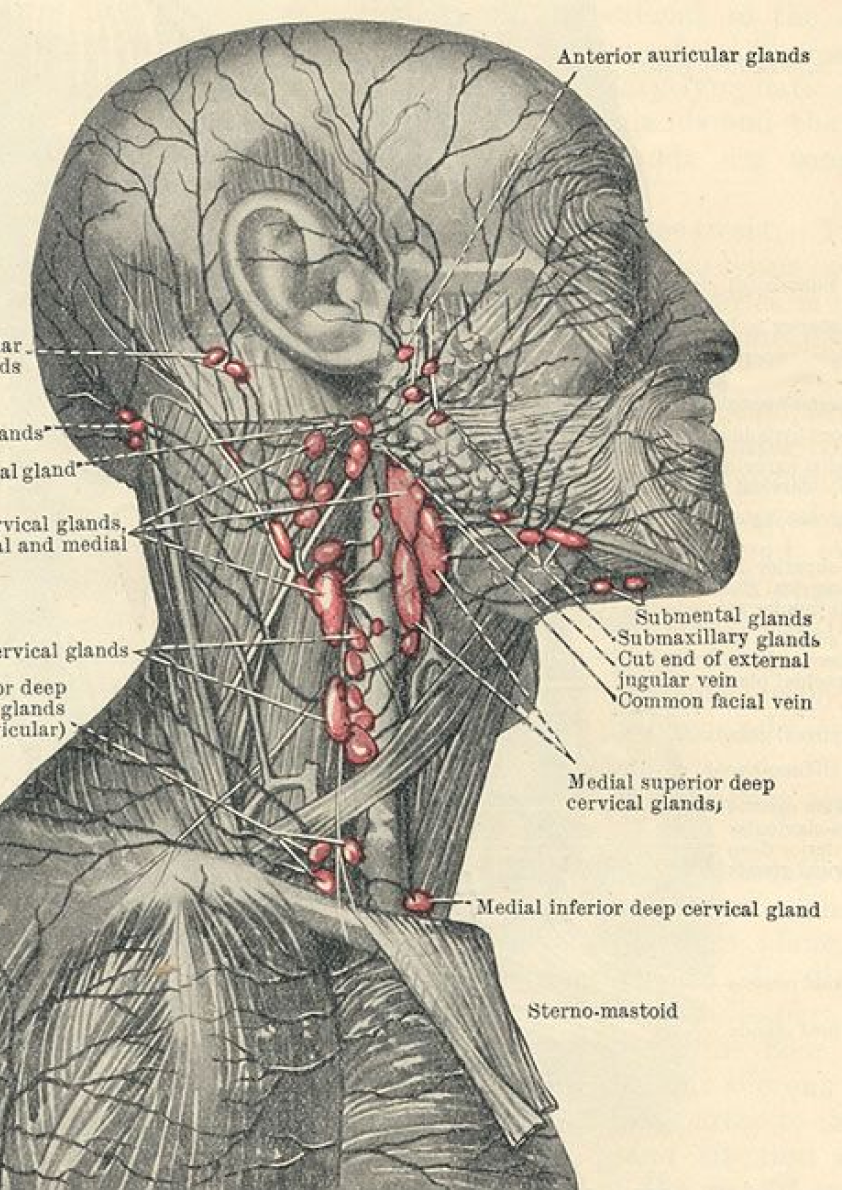
VI.b.Gray's Anatomy, original drawings, 1858. Intended to be accessible and cheap for medical students, sometimes expressive, including the outer shape while featuring arteries and glands.
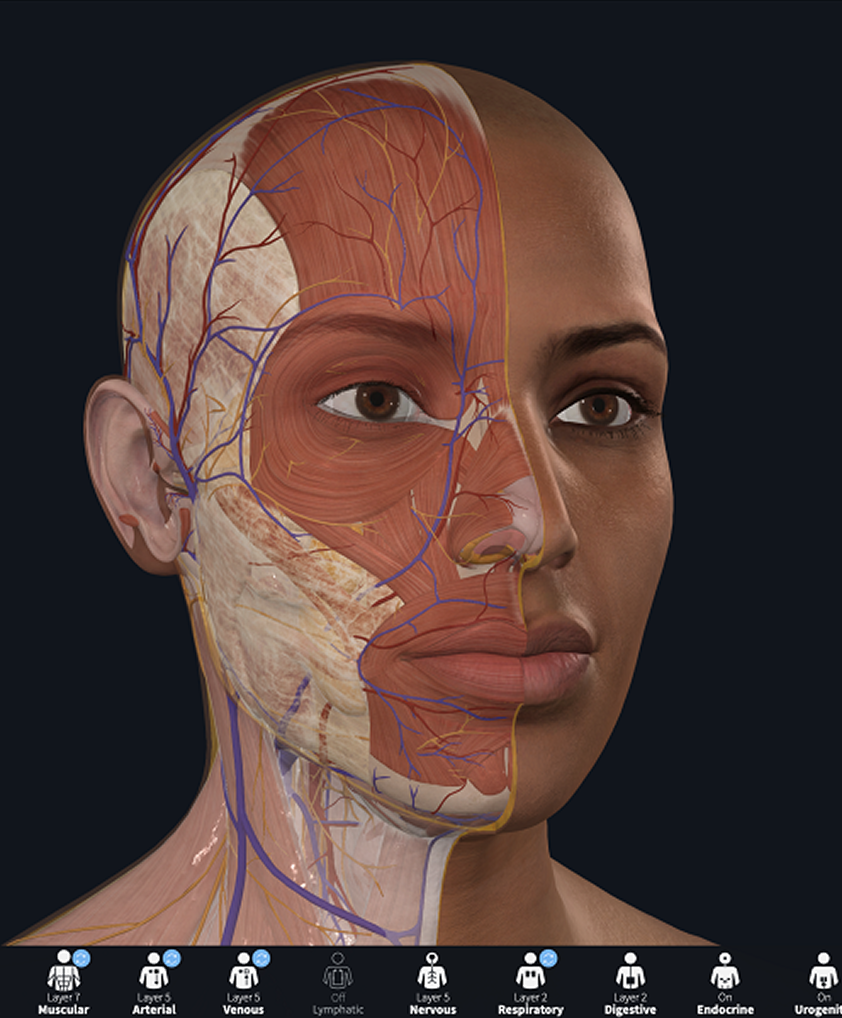
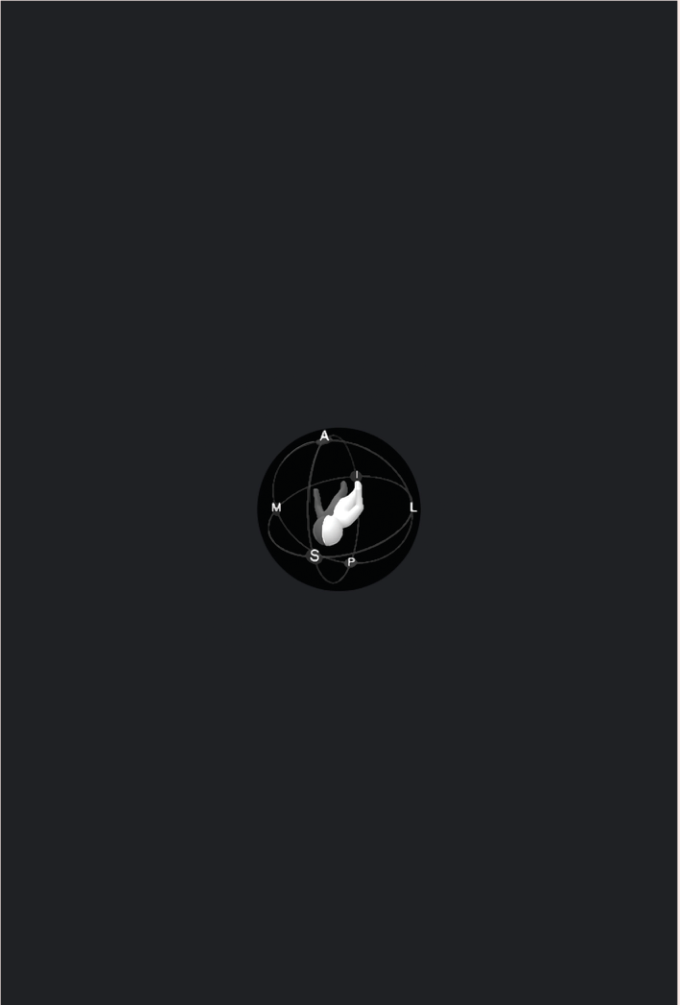
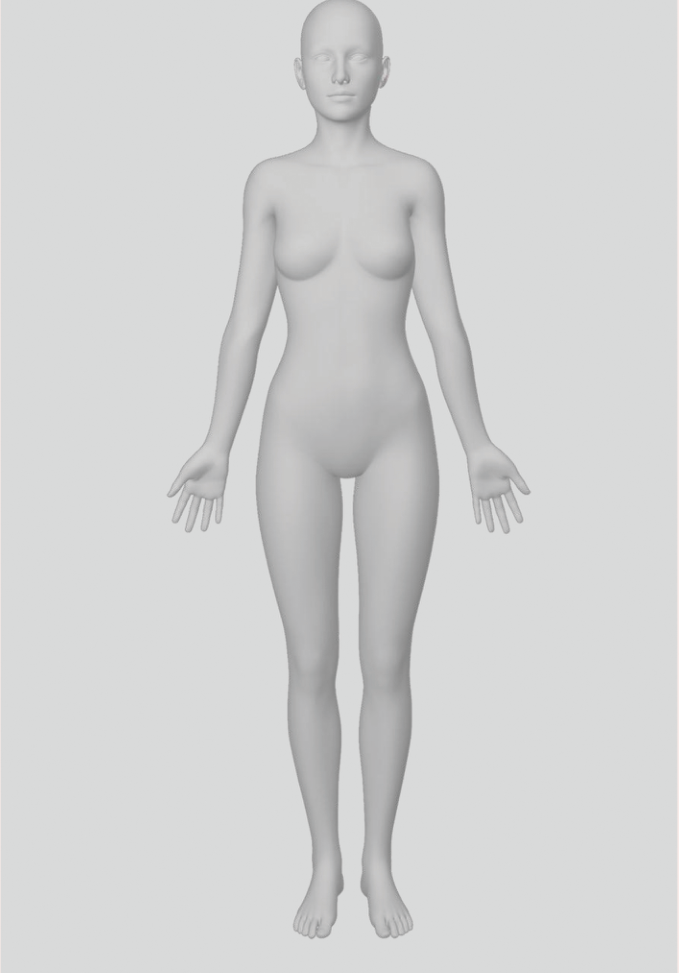
VII.a.3D4 Medical from Netter's Anatomy, 2024. Dissectible 3D models with a variety of skin color and gender.
VII.b.3D4 Medical from Netter's Anatomy, 2024. Interactive, multidimensional, dissectible — a 'normal' body in unprecedented detail.
Part Three
Sensors
Technologies To See
Sensors of many kinds proliferate our bodies, our streets and in our homes. They sense locations, speeds, gestures and expressions. They extend our innate senses. They assist us in sensing things we otherwise wouldn't be able to. And we use what they sense as feedback, information. Sometimes they offer an image, sometimes a trove of data, and then we create something from what they sense. Sometimes we link that data to something else or make a decision based on it. We mostly think of sensors as external, mechanical and electrical but the body is a sensor in itself, as said by Clarissa Pinkola Estés in Joyous Body: The Wild Flesh, 'an informational network, a messenger with myriad communication systems – cardiovascular, respiratory, skeletal, autonomic as well as emotive and intuitive'.
My glucose data is linked to my insulin delivery. The value of what is being sensed shifts as it gets integrated with automated insulin delivery. I now must supervise the technology as it takes action, rather than make an explicit decision based on it. Ants were the first glucose sensors for sweet urine disease. There was little to do based on the ant's indication. Frogs were used for pregnancy testing until the 70's. Rats can smell tuberculosis. Do you know about Joy Milne, a nurse, who discovered she could smell Parkinson's? Some can sense thunderstorms coming, others are clueless.
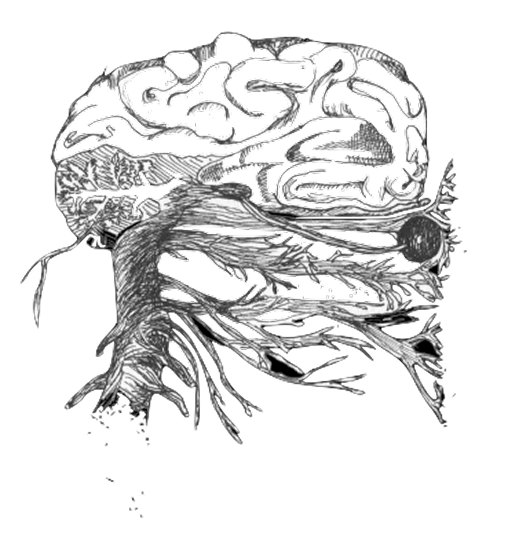
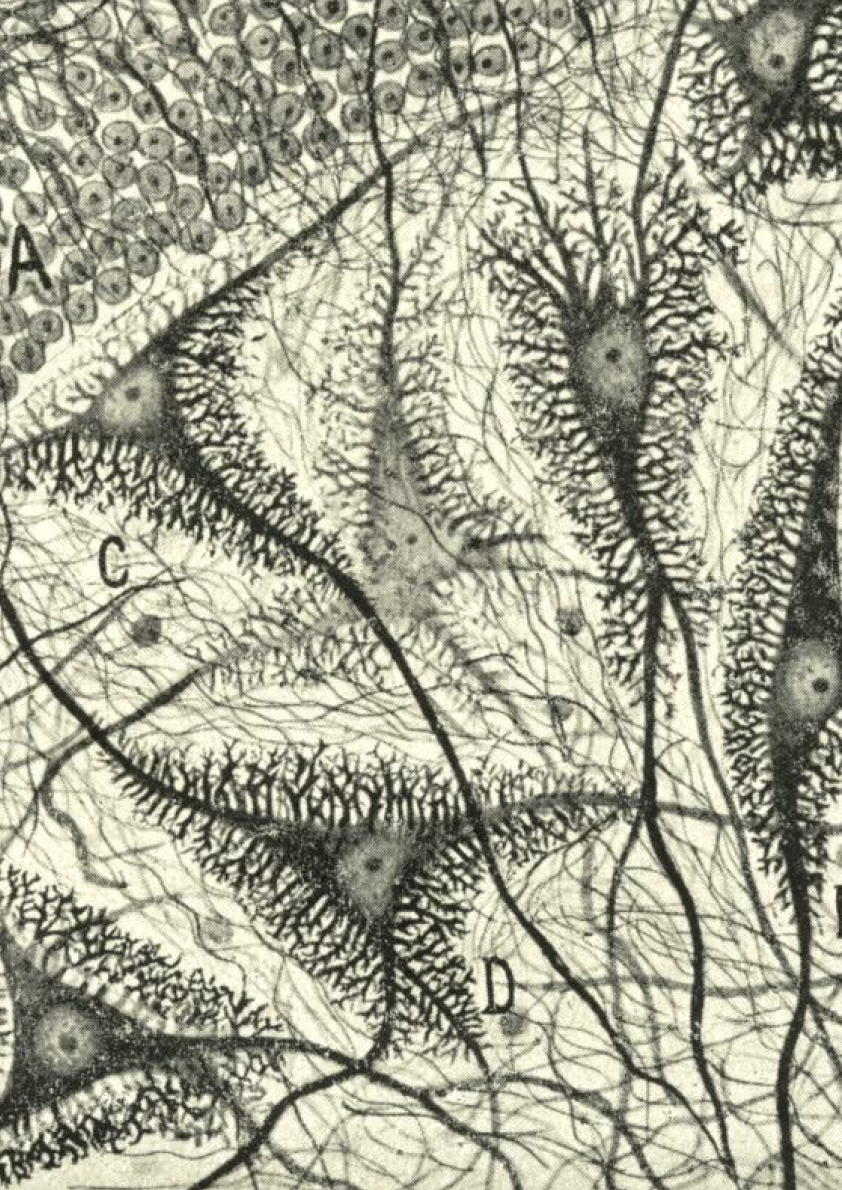
Our sensing methods, the way we interpret and respond impact what we uncover, discover and understand about ourselves and our bodies. In the past, it was artists who documented medical knowledge. They were the image producers of our bodies, holding the responsibility of assisting us in making sense of what ailed us. When Ramon y Cajal discovered nerve types, he used a microscope and he drew the information, pencil in hand. He was sensing through his body and through the same tool making an image.
In the next few pages we have a collection image making technologies and the images we produce from them. These technologies have a reputation of objectivity. That is questionable. As we develop technologies for medical purposes, I wonder if we are abandoning our very own intimate knowledge source - our meaning making bodies. Who decides what is to be measured and what we are measuring? I think it is worthwhile to imagine and discover how we can include our embodied and somatic knowledge in the process of technological sensing and image making.
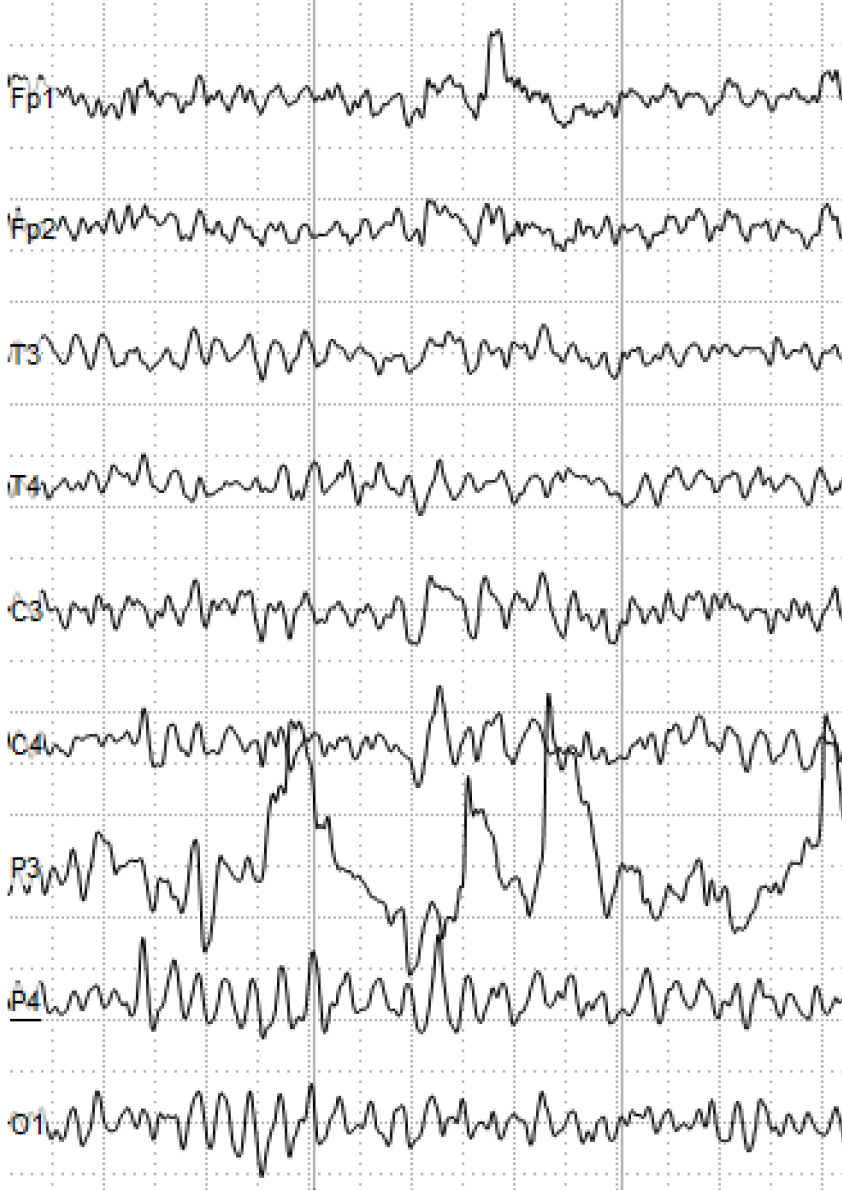
I.Brain Waves from an EEG
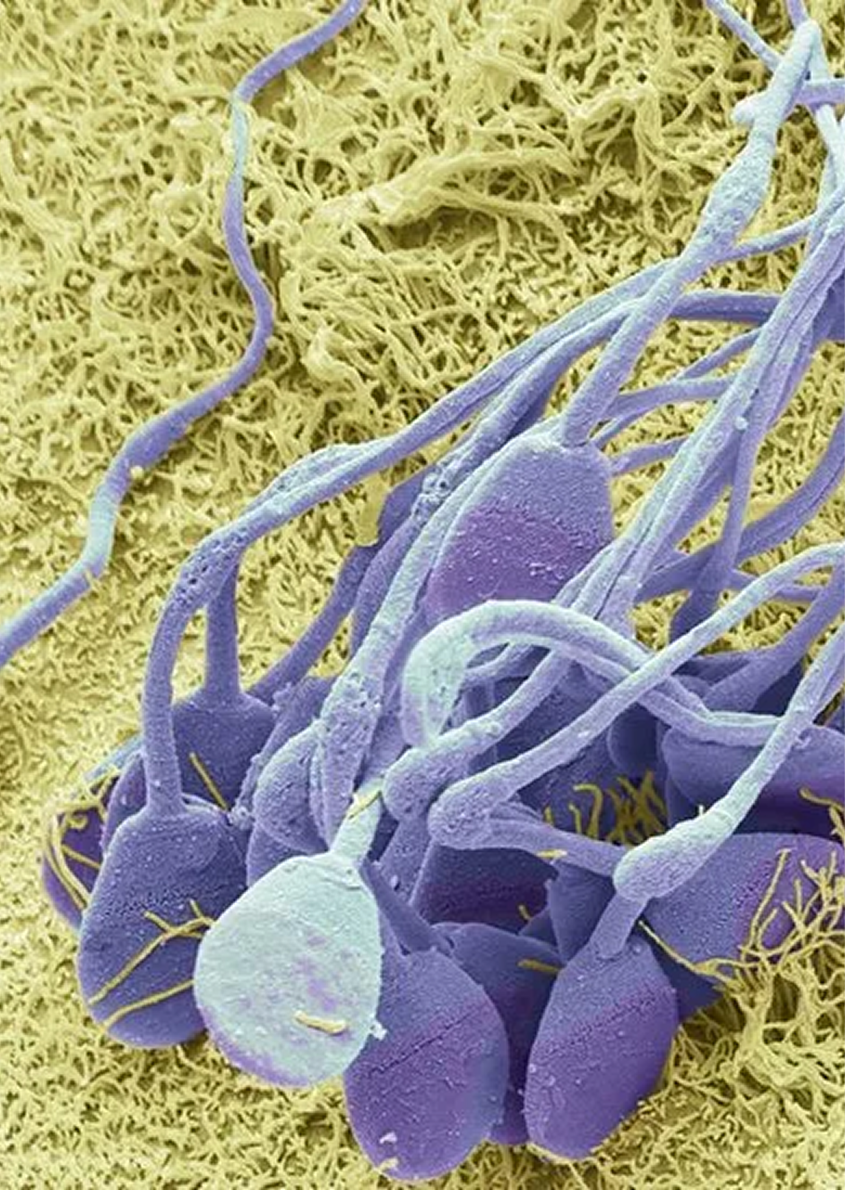
II.Sperm from an electron microscope
III.Nerves drawn by pencil through a microscope — Ramon y Cajal
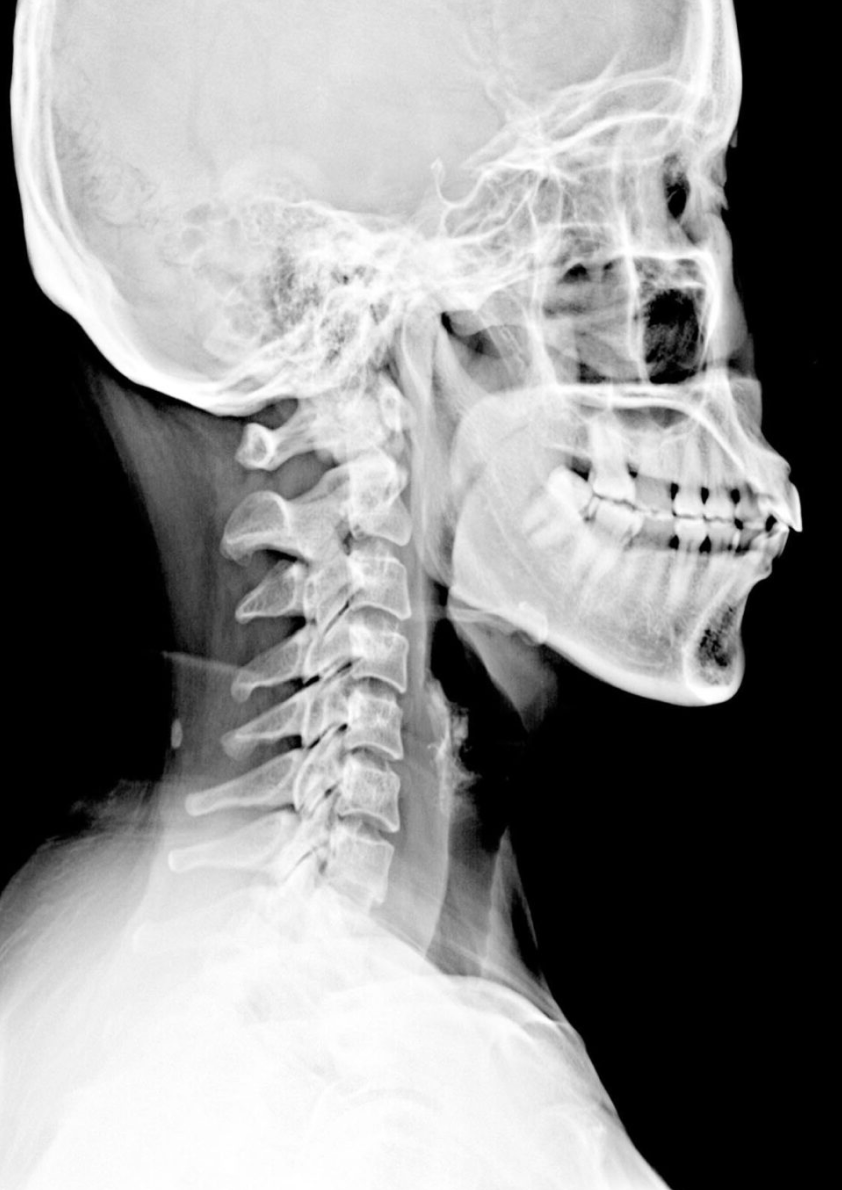
IV.Neck and head from an X-Ray
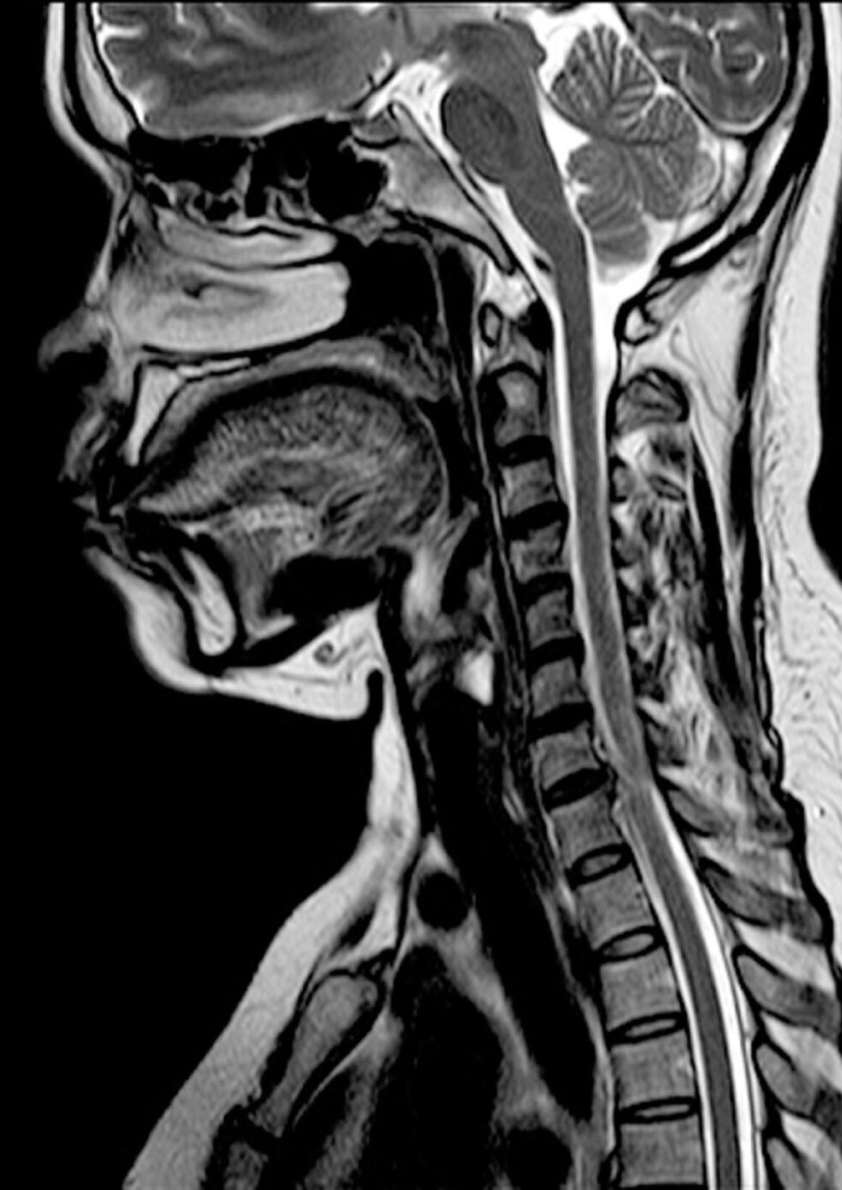
V.Neck and head from an MRI
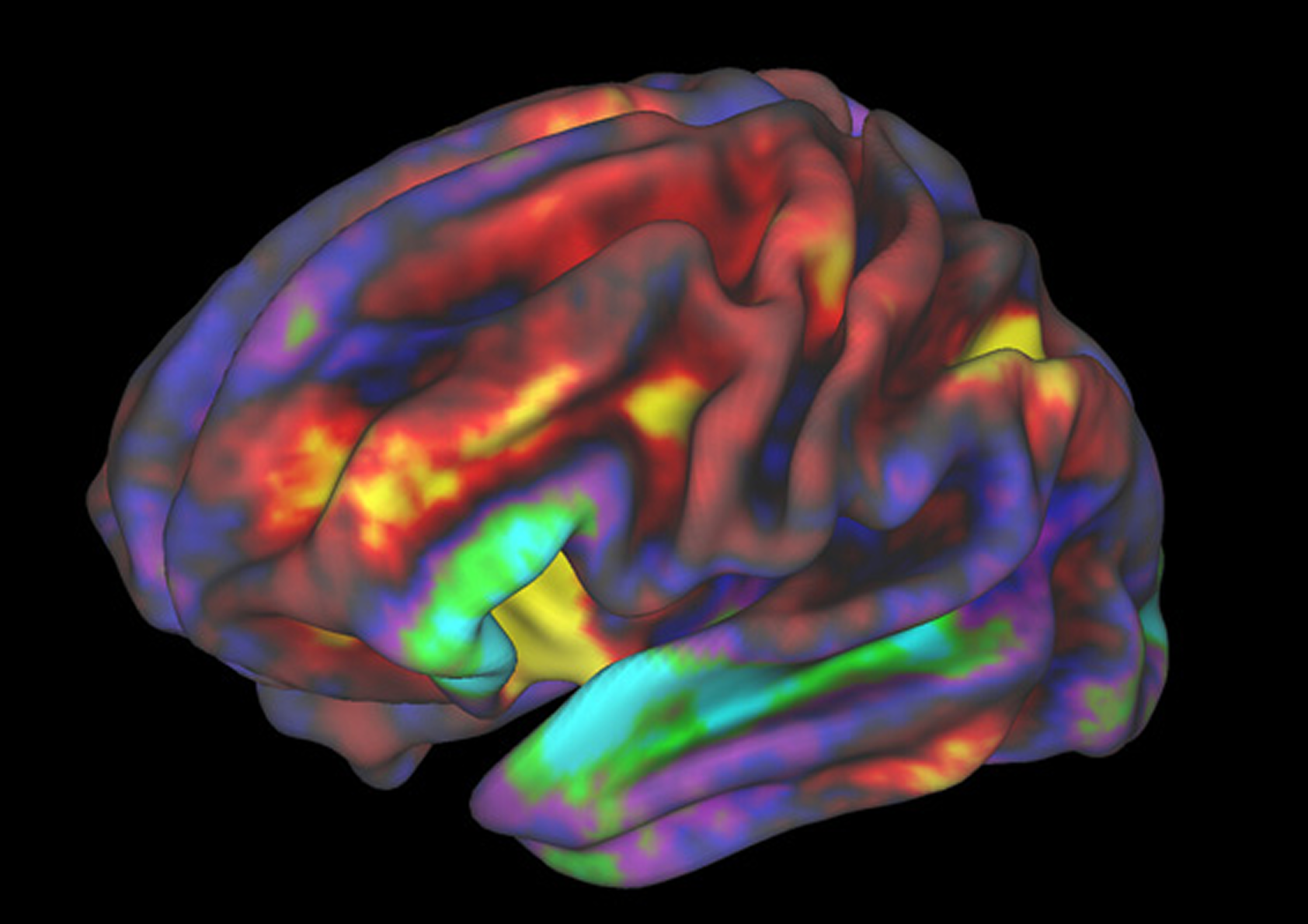
VI.Brain from an fMRI
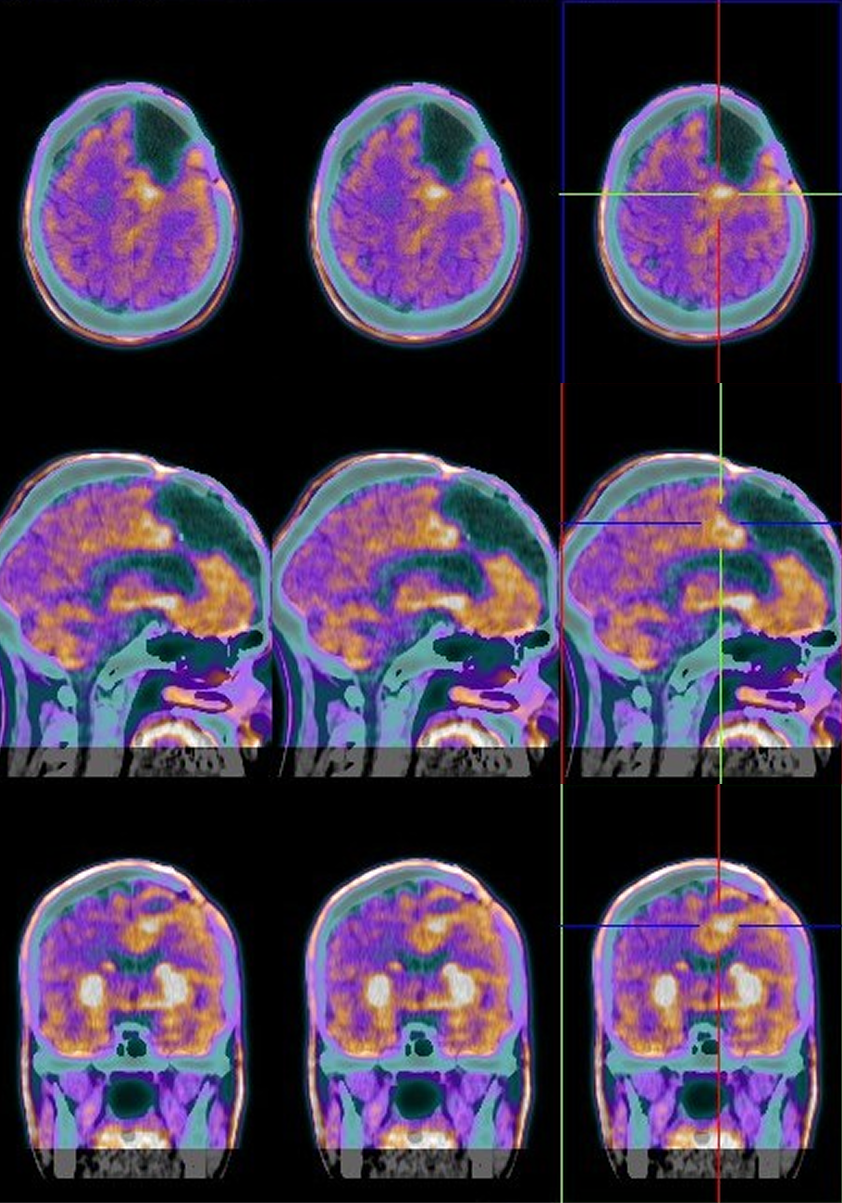
VI.Brain from a PET scan
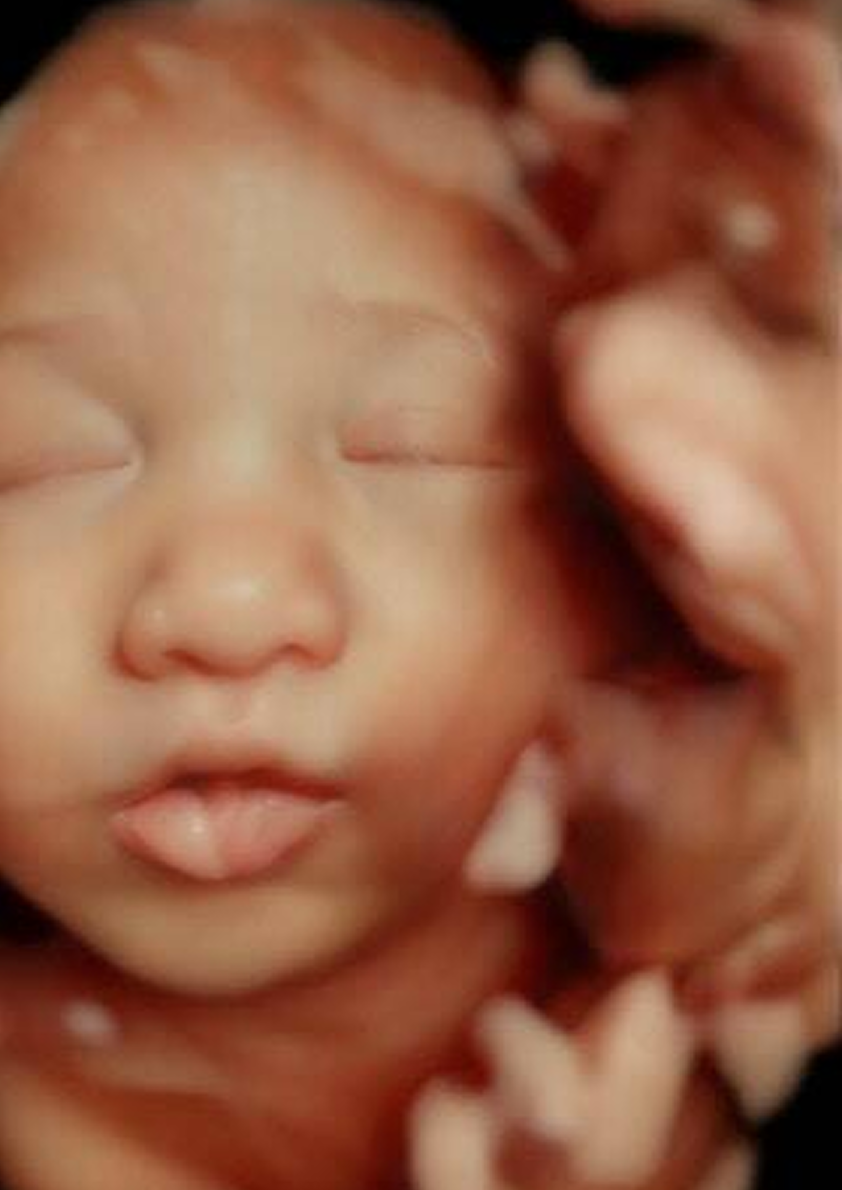
VII.Baby in utero from Ultrasound
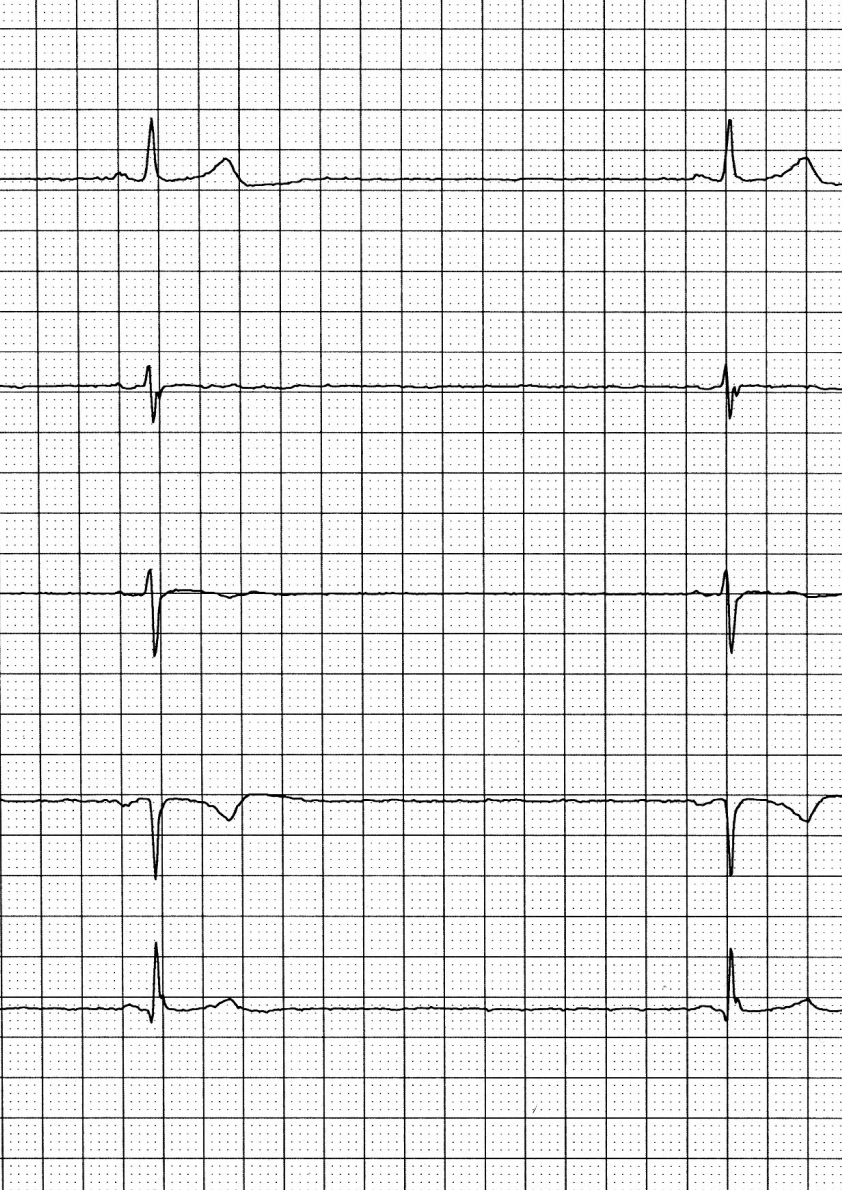
VIII.Heart rhythm from an ECG
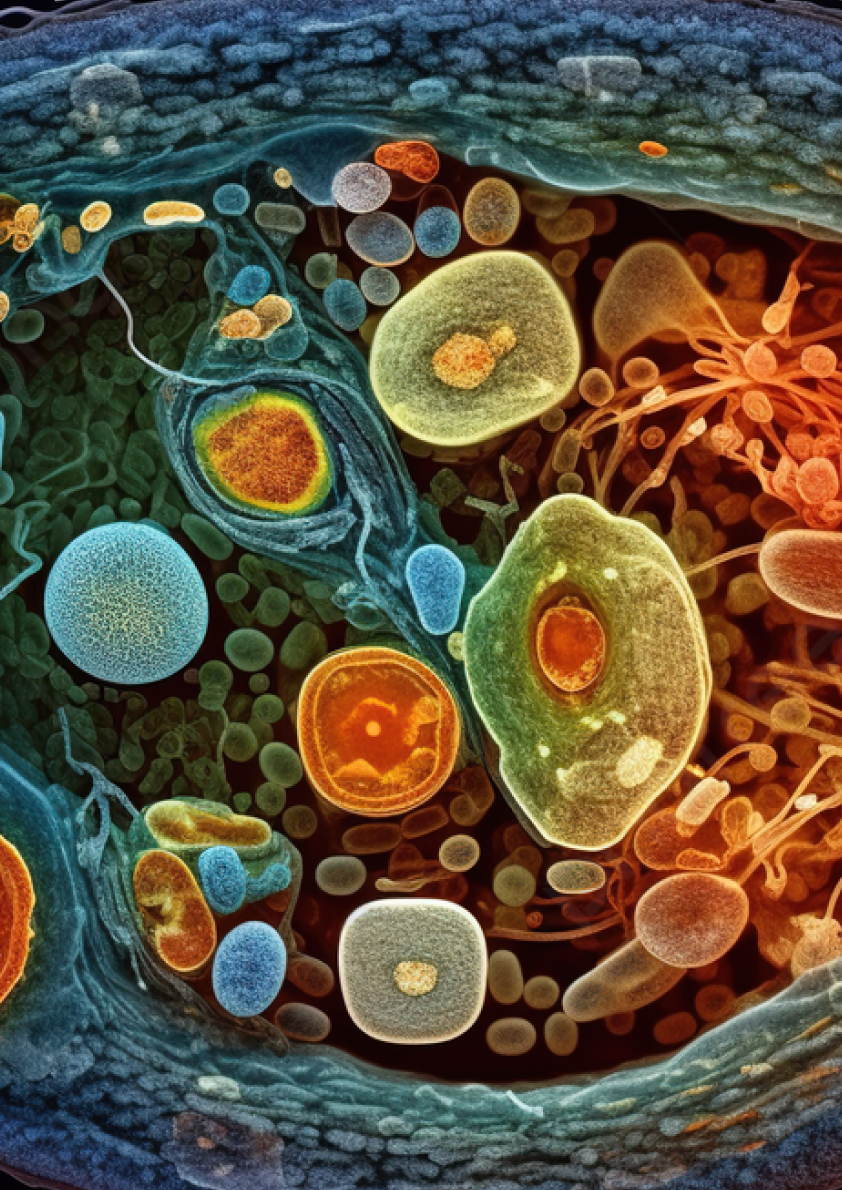
IX.Cell from an electron microscope
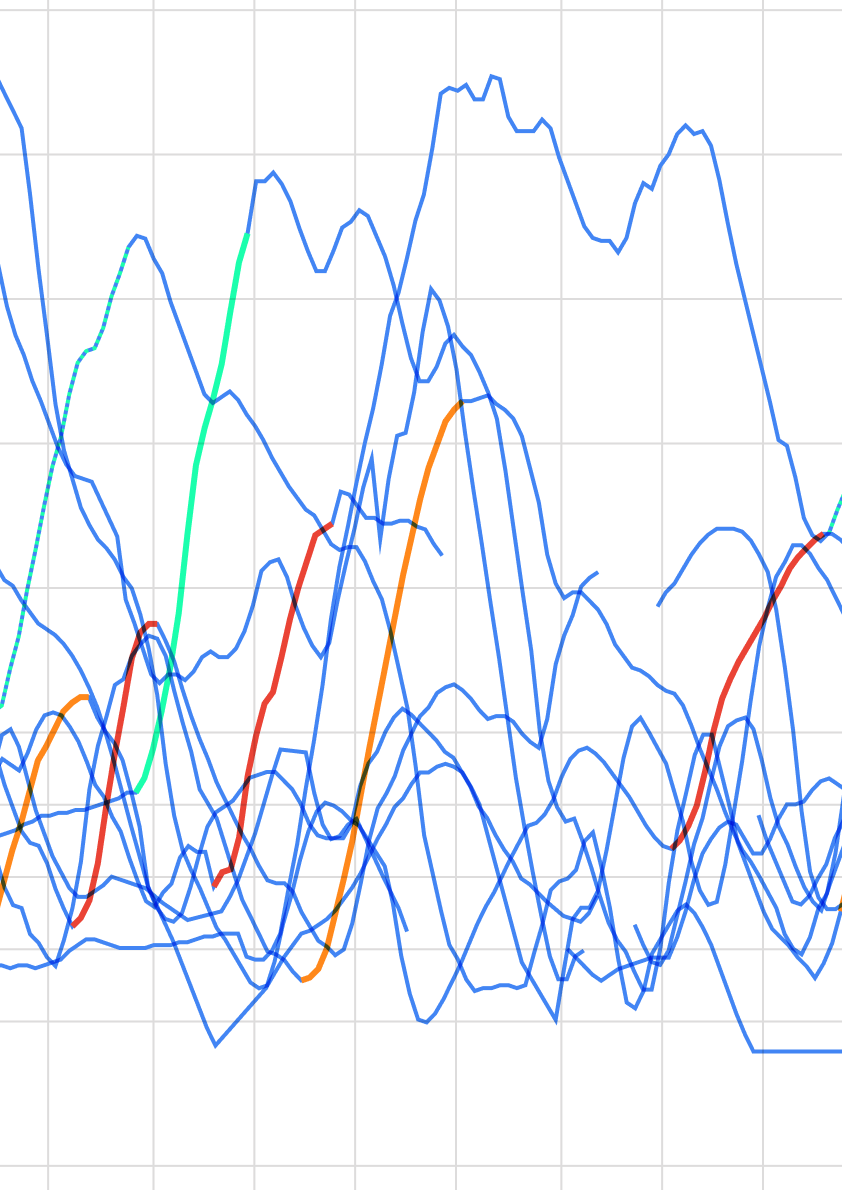
X.Glucose data from a Continuous Glucose Monitor
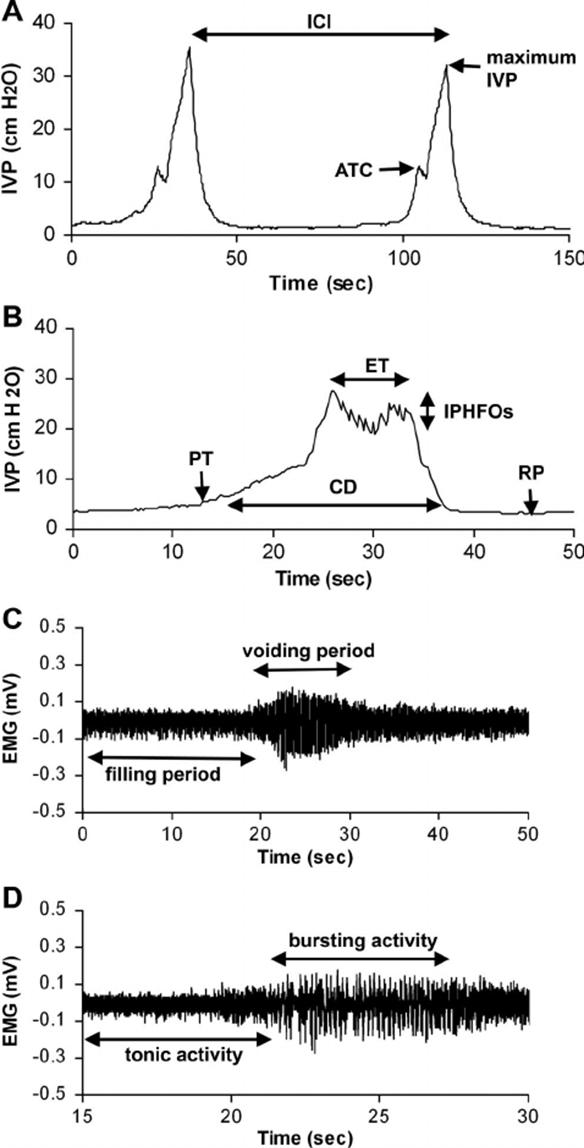
XI.Muscle and nerve interaction from EMG testing
Part Four
Metaphors
Concepts To Understand
"Of course, one cannot think without metaphors but that does not mean there aren't some metaphors we might well abstain from or try to retire."
Susan Sontag, AIDS and its Metaphors
My experience caring for myself changed radically when my metaphor for diabetes changed. I grew up believing that diabetes was a monster - one that lived within me, inhabited me, was me. This seeded a deep understanding of my body as something to be scared of, something not trustworthy, something to be wary of. In my 20's I met a dear friend, a diabetes doctor, who shared the metaphor that living with diabetes is like being in the ocean. If you fight it - if you flail and try to control it, you're likely to drown. This pursuit will drive you to exhaustion. If you relax, let the waves come and go, float above them, you will surf along the waves. This shift in understanding created a sea change in my self perception and care.
Mabel Todd, a physical therapist, found that the most effective way for her clients, mostly dancers, would make progress in their posture was through using imagery and metaphor, for example, the spine as a river, rather than physical exercise.
Throughout history, the metaphors that help us understand our bodies, health and disease have changed right along with developing technologies, science and culture. Just like how data gets translated into images, metaphors do too. They create multidimensional maps for how we work, guiding us towards appropriate understanding and problem solving. The following pages are a collection of images of the body that describe some of the most powerful and prominent metaphors and concepts we have to understand our body's health and disease; a simple machine, a computer, a living machine, an illusion, an ecosystem, and a temple. Each offers a different view of human nature, our health and our disease.
The body as a temple, an ecosystem, an illusion
"Don't you know that you yourselves are God's temple and that God's Spirit dwells in your midst?"
Corinthians 3:16–17
These metaphors illustrate the interconnectedness and emphasize the beauty and complexity of the human body as an intricate, living ecosystem. They are more eastern than western, more rooted in spirituality and the psyche. They focus on connection and relatedness. They do not deny or disregard anatomy, but they do not centralize it.
These metaphors are born from cultures and perspectives that center around how each part of the body, much like elements in nature, work together in a delicate balance. They feel more whole, less part like, more dynamic, more related. On the other hand, they are closely held by some religious groups that reject western medicine completely, believing that prayer, and God, will cure them, or not.
The body's structure is a symbol, a myth that's part of a story, a part of something else. Before transportation technologies like carriages, "it appears the motif that represented the sacred body was the magical object" (Joyous Body: the Wild Flesh by Clarissa Pinkola Estés). The idea of the body as a magic carpet, which could transport you across a river, is not far from meditation techniques of visualization that reduce blood pressure, or can help you withstand the pain of surgery. The images that represent these metaphors are less direct and literal, they are less precise and literal.
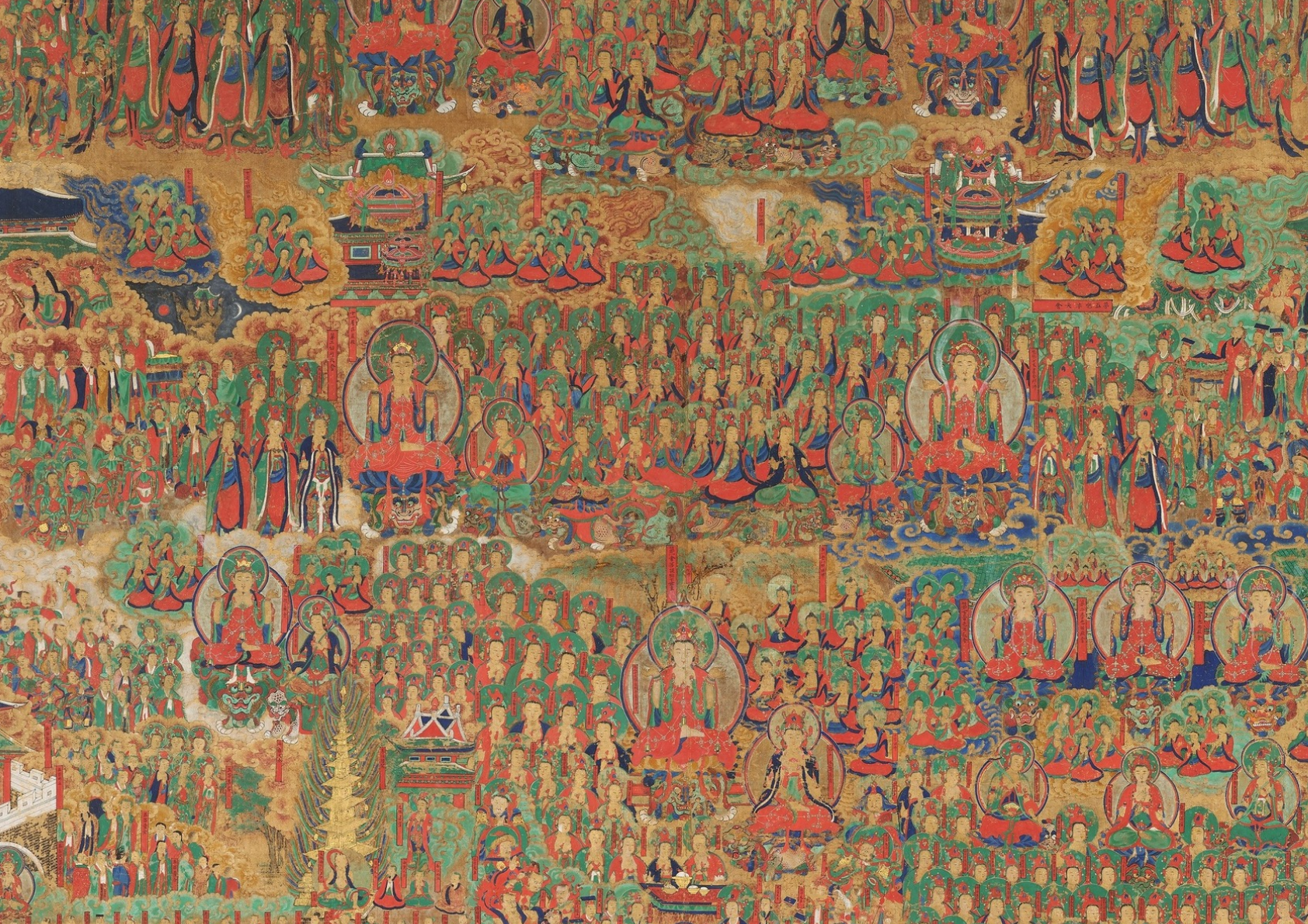
I.Indra's Web — Illustration of the Avatamsaka Sutra at Songgwangsa temple in Suncheon, Korea, 1644. A Buddhist story illustrating that the body is an illusion, one droplet in an infinite number of droplets making up the universe.
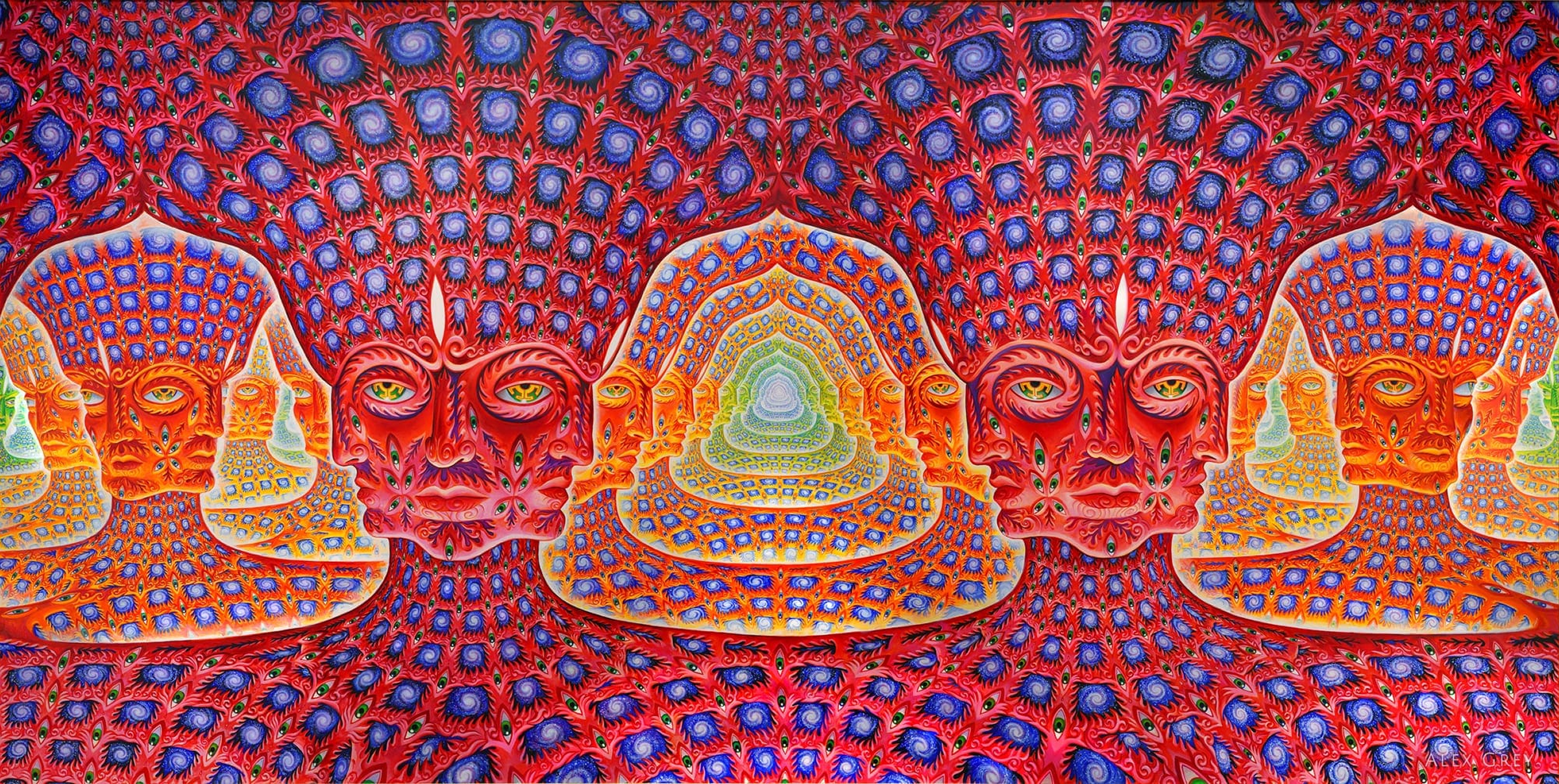
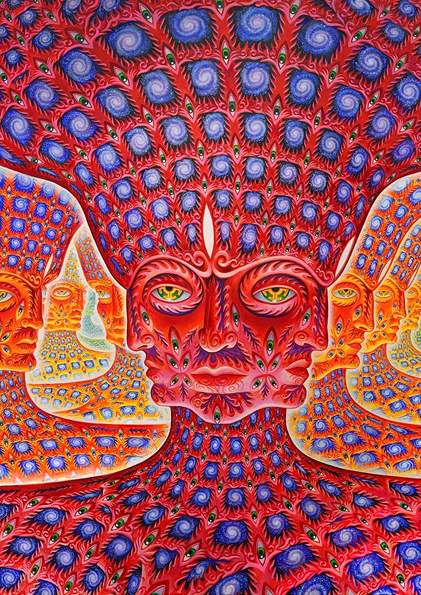
II.Alex Grey — Sacred Mirrors series. Psychedelic visionary art depicting the body as a multilayered energetic and spiritual system.
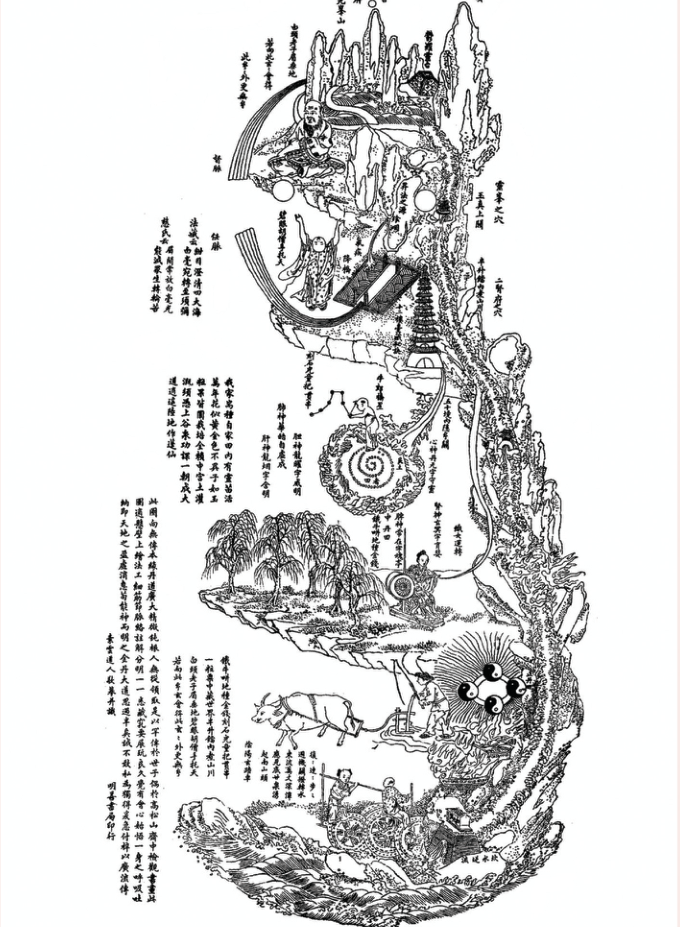
III.Nei Jing Tu (Chart of the Inner Landscape) 1250 CE — one of the oldest maps of the body originating from ancient China and Taoism. Incorporates anatomical and environmental structures, animal and human metaphors to express the working process.
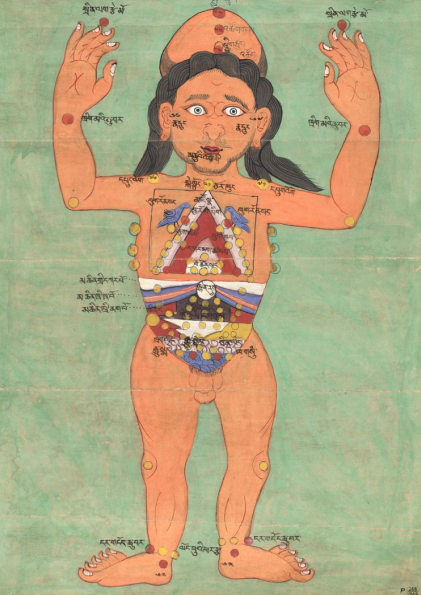
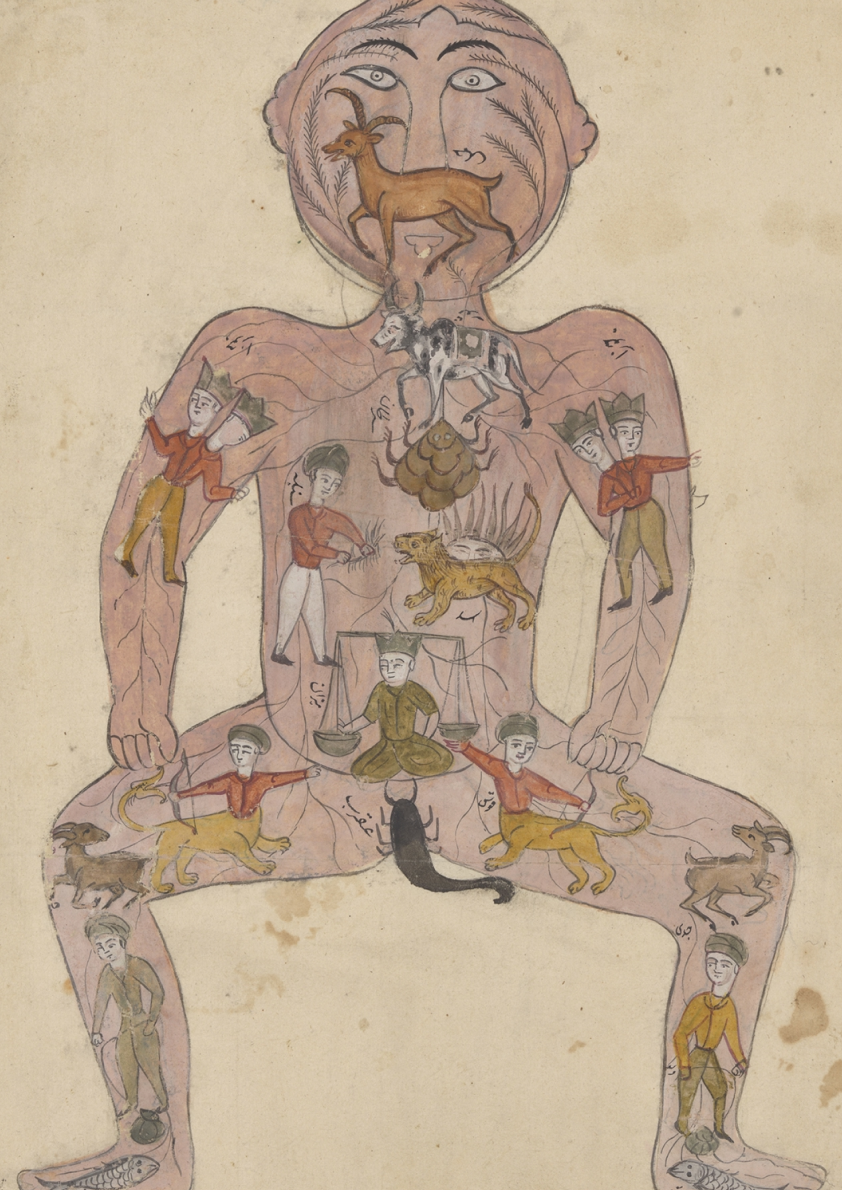
IV.Tibetan Moxa map and The Zodiac Man — maps of the body for moxa and bloodletting showing the best place for draining blood according to the patient's astrological sign and specific complaint.
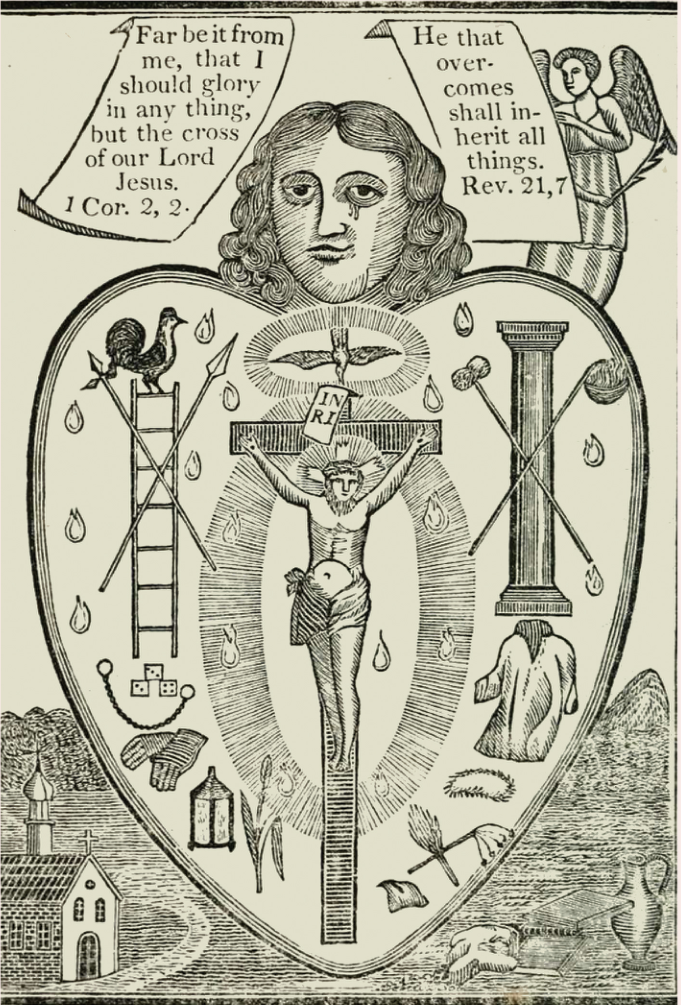
V.The heart of man: Either a temple of God, or a habitation of Satan, 1851, Gossner, Johannes.
V.The heart of man: Either a temple of God, or a habitation of Satan, 1851, Gossner, Johannes.
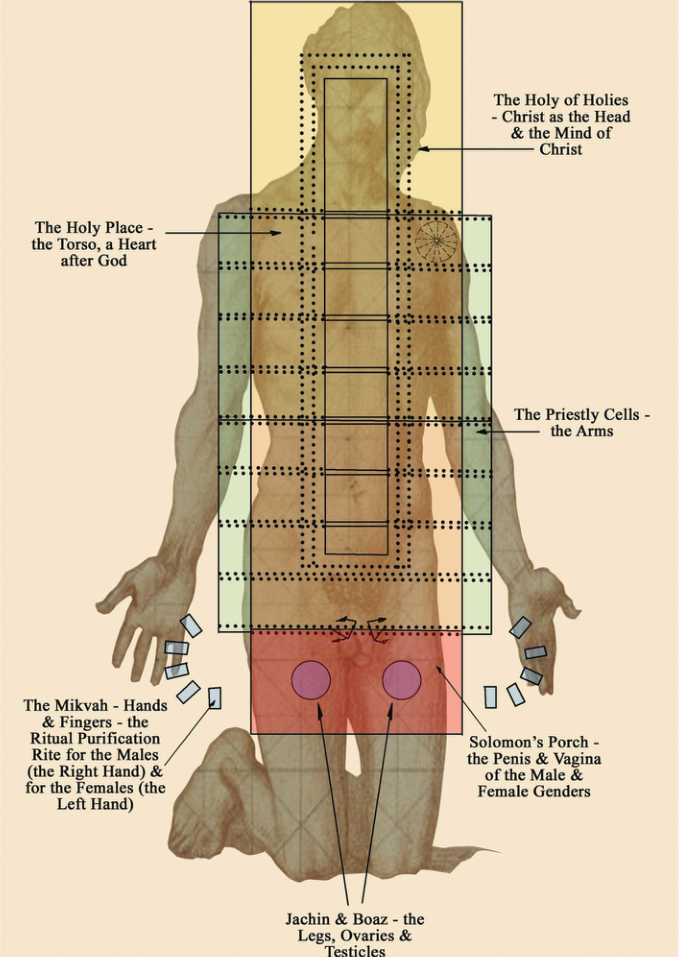
V.Illustration by Michael McGrath of the body as a temple.
The Body as a Machine, a Computer
"There is not, in the body, a movement which is inconsistent with mathematics; there is not a bone which is incompetent to stand the test of architecture; there is not a tube, or liquid, or valve, or pumping fixture inconsistent with the laws of hydraulics; every limb is made up of mechanical appliances; the ear will stand the test of acoustics, and the eye, as its name indicates, is an optical instrument"
Hall's Journal of Health, 1854
This cluster of metaphors for the body aligns with technological progress and is rooted in Descartes' dualism where the mind and body are separate. It is the most well known and despite being outdated, it is the dominant guiding metaphor for the body in the western world to this day.
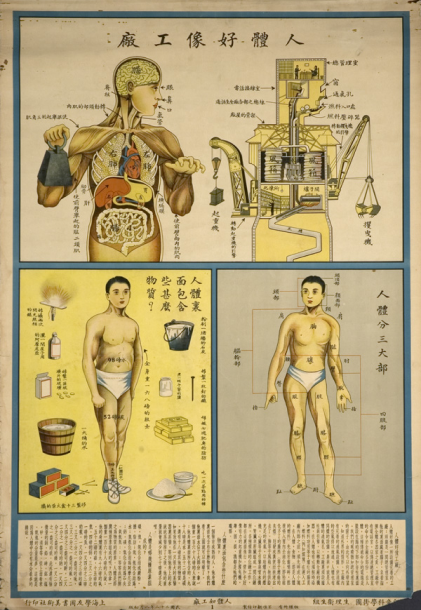
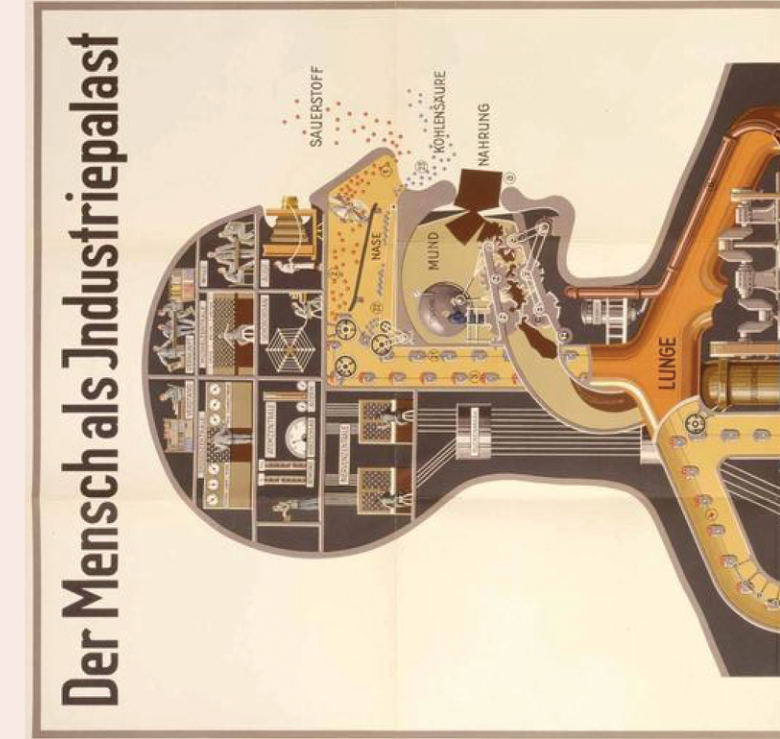
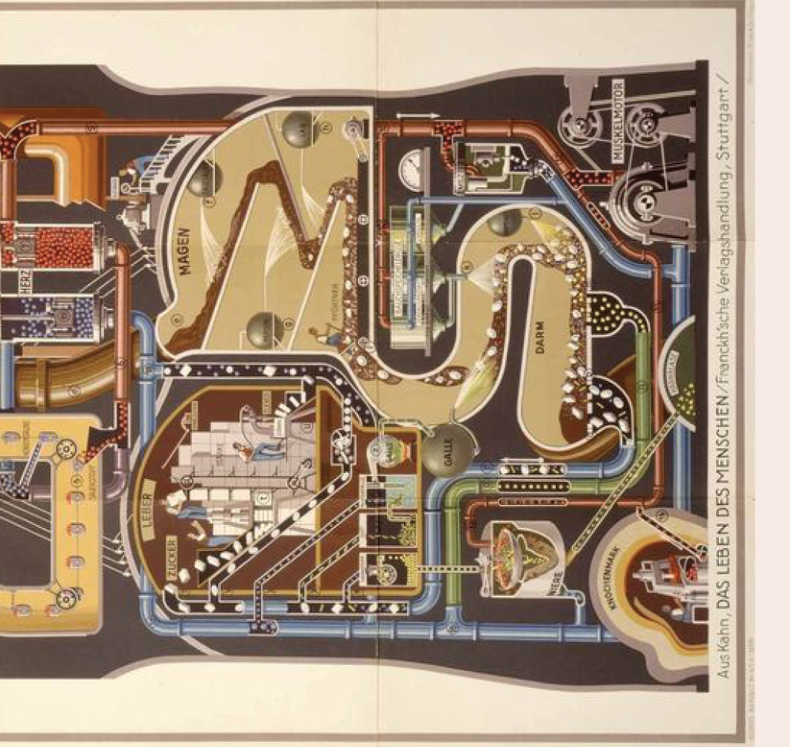
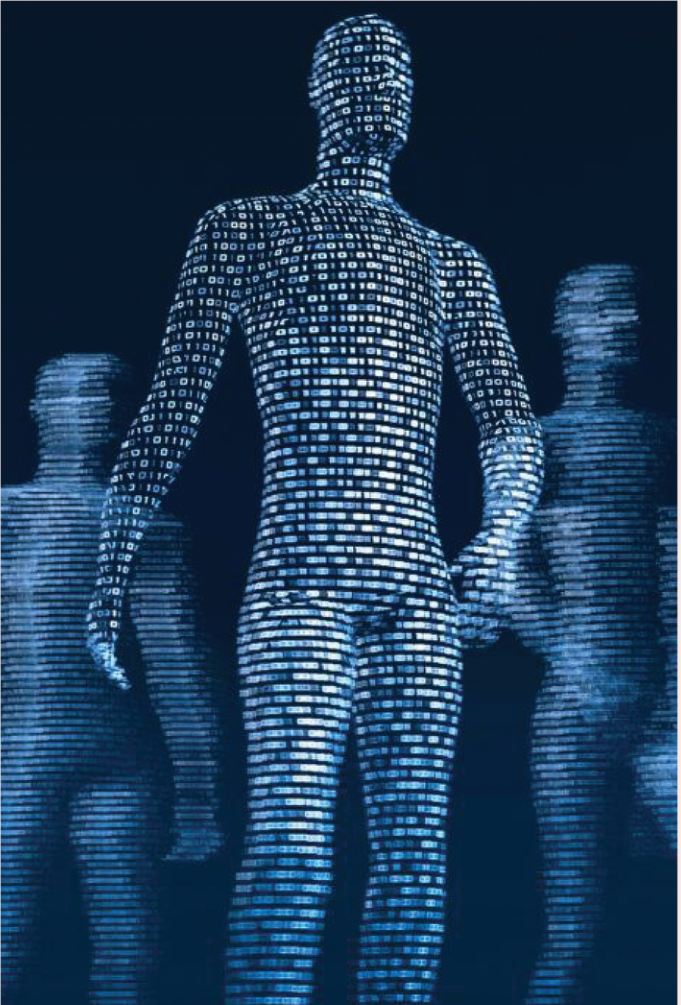
The body as machine with mechanical and chemical processes developed with the industrial revolution, where the human was seen as a part of the machine and trained to behave more like one. The body as a computer, an electrical machine with a mass of numbers came along as computing moved from industrial to home use. The body as a computer reached a peak around 2010 as discoveries came from the amassed data resulting from the ubiquitousness of home computing. Now, we are in an age of the body as living machine, one that integrates the previous technological advances: mechanics, electronics and biology into one. We, humans and machines, now mirror one another; computers and people crash, catch viruses, sleep, wake up, get updated and break down.
Within these metaphorical frameworks we have developed incredible life-giving solutions, methods and technologies. The field of biomedical engineering was born from these metaphors, "People began to realize that a biological system is just a complicated device, and that the engineering and computer science side of things have solutions," said the founder of the Biomedical Engineering department at Yale.
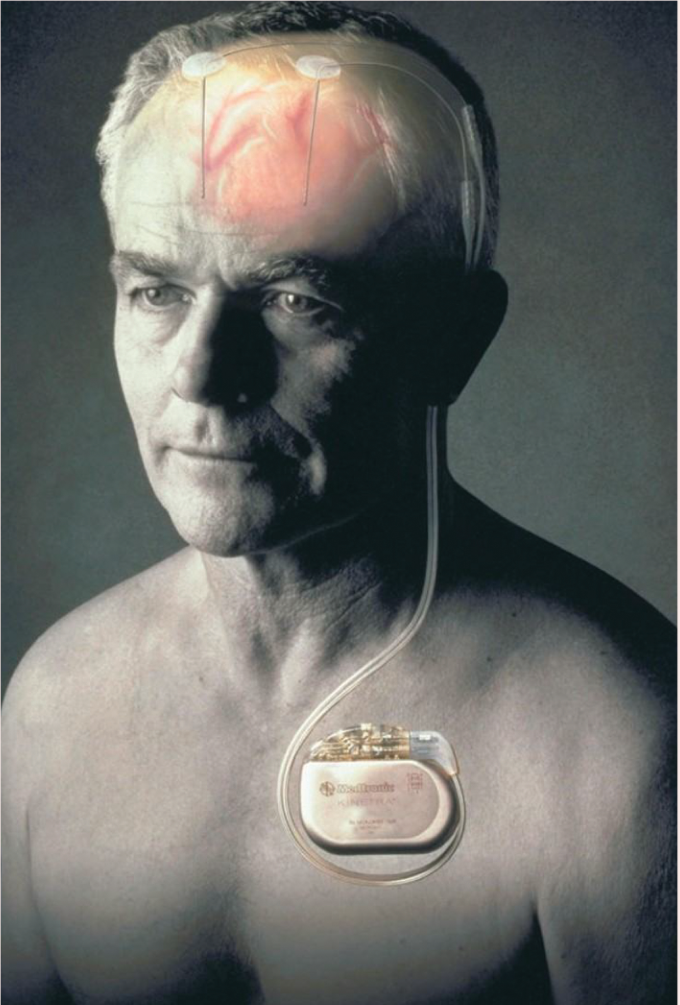
The application of these metaphors is visible through dozens of wearable and implantable devices that assist in the functioning of the body. We have activity trackers, heart rate monitors, glucose monitors, insulin pumps, pace makers, deep brain stimulators and more. And as we advance in bionic limbs, prosthetics, and technological organs — our credit card company knows about our health in a way we could never sense on our own or with these discrete technologies. From patterns of purchasing data, they know we are pregnant before we do. We are fabulously able to see and be ourselves beyond our fleshy ability through data. The data enables my insulin to be predicted and delivered in precise micro amounts through a semi-automated pump. Yet, to treat our bodies as machines, where parts can be replaced like a valve in a factory and parts can be fixed and replaced is to take a quite narrow view that leads us astray. It has led to a narrow understanding of health and our bodies.
These metaphors have been visualized for decades through science fiction. Metropolis in 1927, Forbidden Planet in 1956, 2001: A Space Odyssey in 1968, Blade Runner in 1982, I, Robot in 2004, Her in 2013, and Ex Machina in 2014. People like Ray Kurzweil and Aubrey de Grey, founders of the Singularity movement, imagine a future where we regularly visit rejuvenation clinics to "replace, remove, repair, and reinforce" bodily systems damaged by the business of living and doctors are seen as mechanics who know and fix the patient's body machine.
These metaphors disregard the consciousness and engagement of the occupier of the body machine itself. They have contributed to the extraordinary level of disembodiment present in our culture today and utterly disregard the power of myth, spirit, connection and human tenderness.
The reality of the body as machine is eroticized by those who have no lived experiences with machine parts. Living with a set of automated devices to manage my living and as a part of my body, I know something about the value of the non-mechanical body. I know the value of the naked flesh and have learned the importance of connection and relatedness to others for my health. I also believe in the value of the unknown, it makes space for change, for healing and growing.
I do believe that, as a society, we are circling back around to a more integrated whole version of the body with machines after enough of us have felt objectified by the promise that technology will replace and refine. There will be places where we meet in the middle, incorporating the benefits of technology and honoring the expansiveness of the more holistic metaphors of our health that include our somatic experience, each other and the environment.
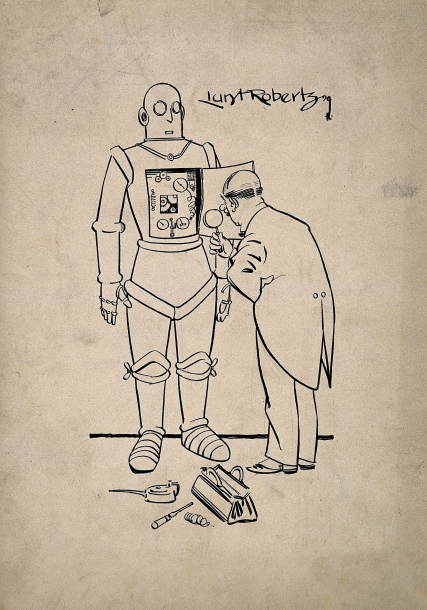
I.Body as a machine or factory — A doctor examining the dials (1929)
II.Body as a machine or factory — The Human body is like a factory, from Shanghai Xueyou Books and Art Club, 1933 Chinese public health campaign
III.Body as a machine or factory — The Body as an Industrial Palace, Fritz Khan, 1926
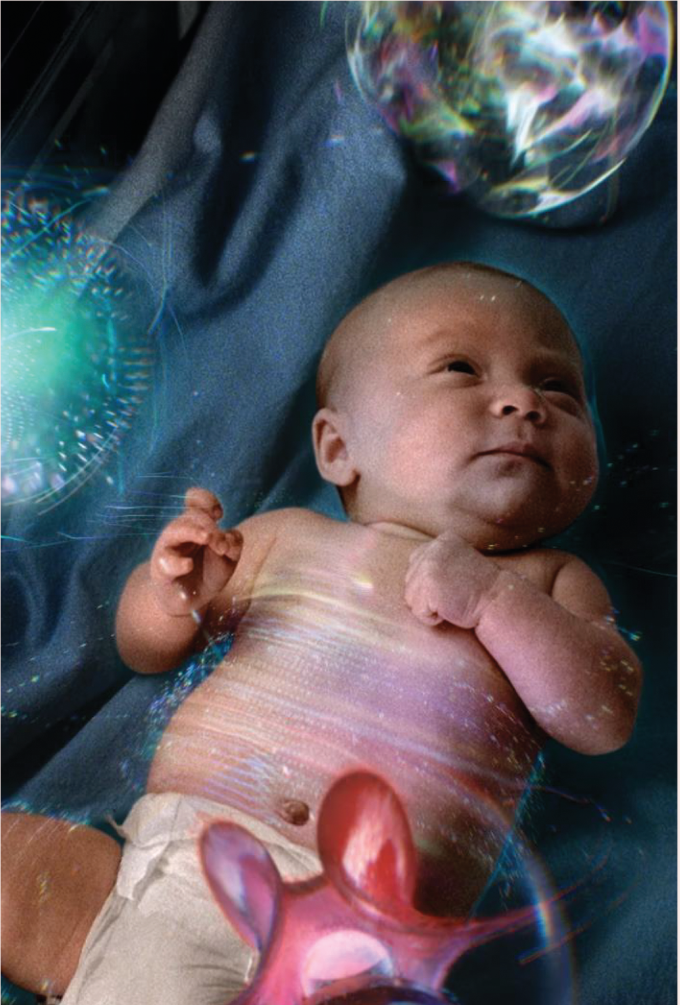
V.Body as data — A still from an IBM advertisement about how incredible the amount of data we can gather. A reductive view of the most incredible moment in life of a newborn.
V.Body as data — A completely depersonalized version of this concept: the body is data.
VI.Body as living machine — An implanted device to undertake deep brain stimulation for Parkinson's; one of the more positive outcomes of the concept of the body being a machine.
VII."A Healthy Human" ChatGPT — Drawing from history and all the images ever created, it suggests that we have defined health as vegetables in a white man's body and perfect muscle fiber and a smile in a white woman's body.
VIII.Body as a reference — From a surgical robotic company. More iconic but represent the idea that the body is calculated.
VIII.Body as a reference — A clinical reference tool. More iconic but represent the idea that the body is calculated.
Part Five
Somagrams
Images From Inside
"When you start working, everybody is in your studio—the past, your friends, enemies, the art world, and above all, your own ideas—all are there. But as you continue painting, they start leaving, one by one, and you are left completely alone. Then, if you're really lucky, even you leave."
Silence: Lectures and Writings by John Cage
"The question is not size or shape or years of age, or even having two of everything, for some do not. But the wild issue is, does this body feel, does it have right connection to pleasure, to heart, to soul, to the wild? Does it have happiness, joy? Can it in its own way move, dance, jiggle, sway, thrust? Nothing else matters."
Joyous Body: The Wild Flesh, Clarissa Pinkola Estés
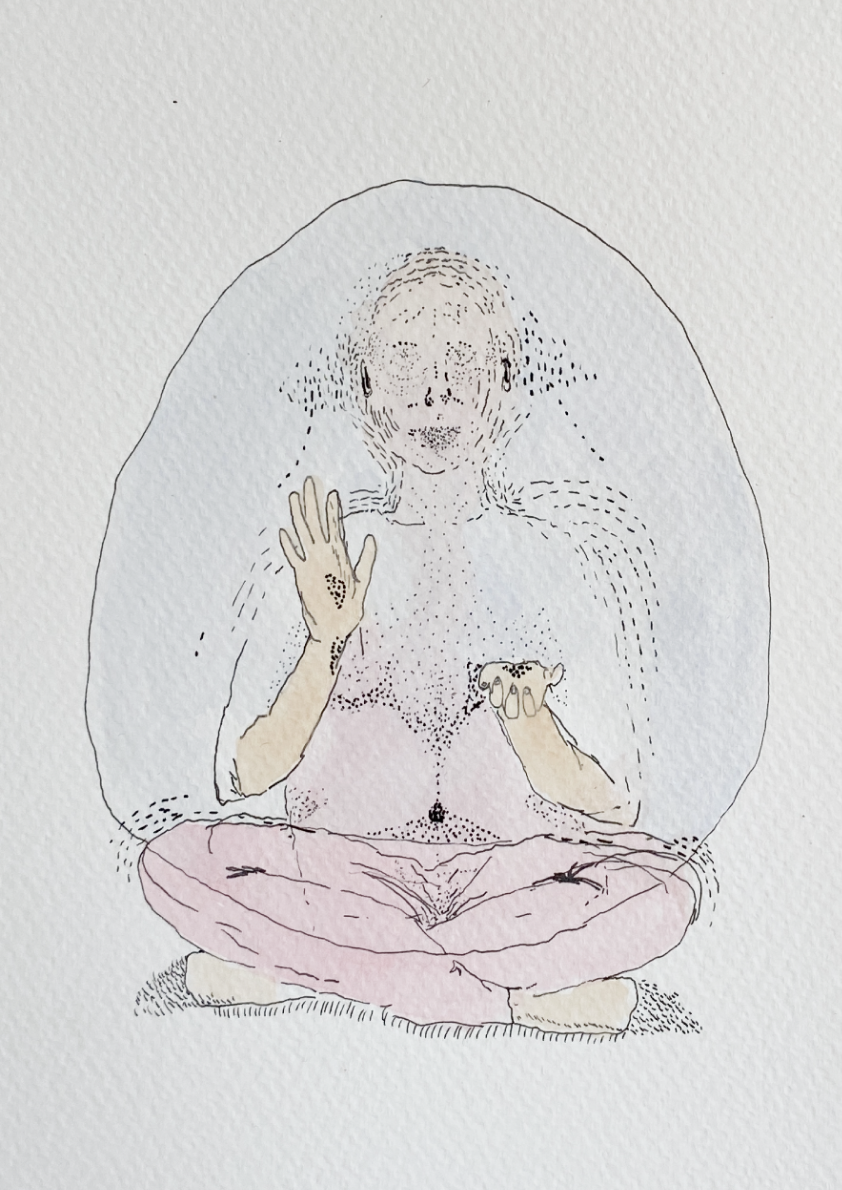
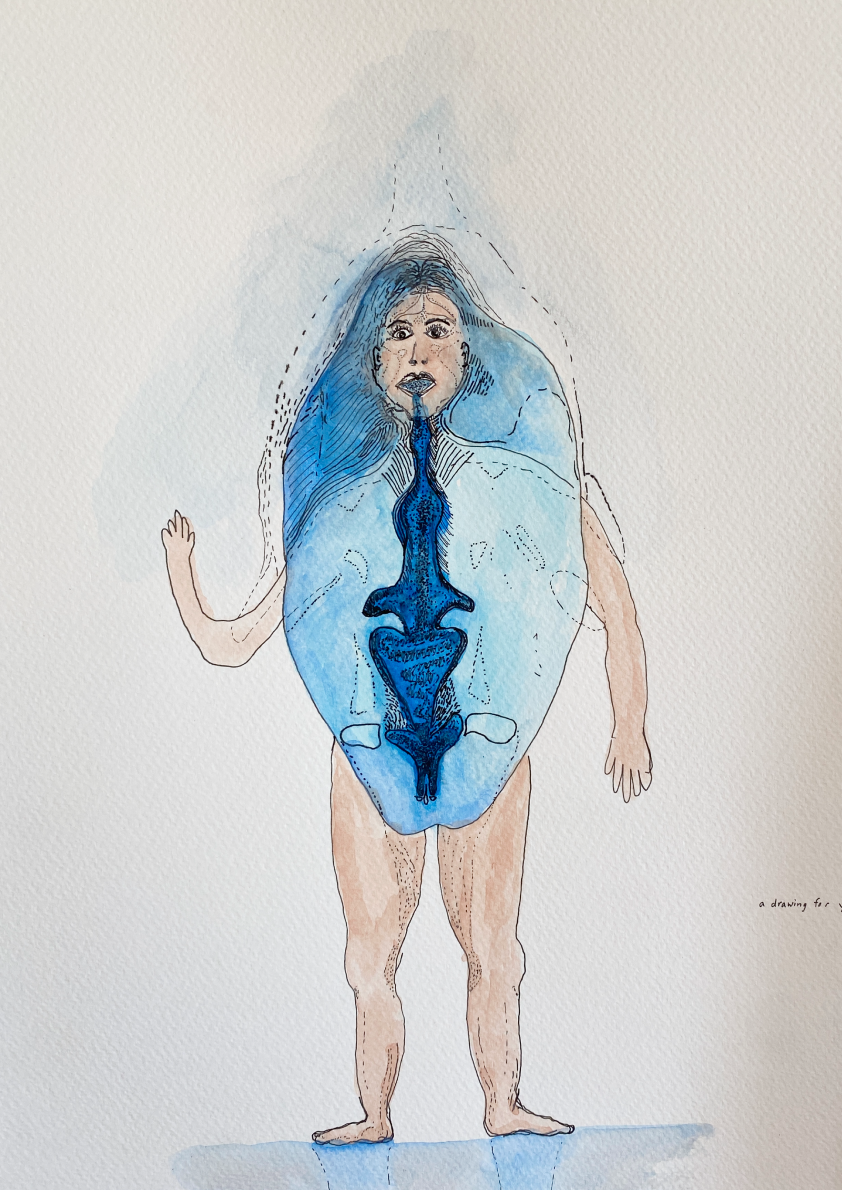
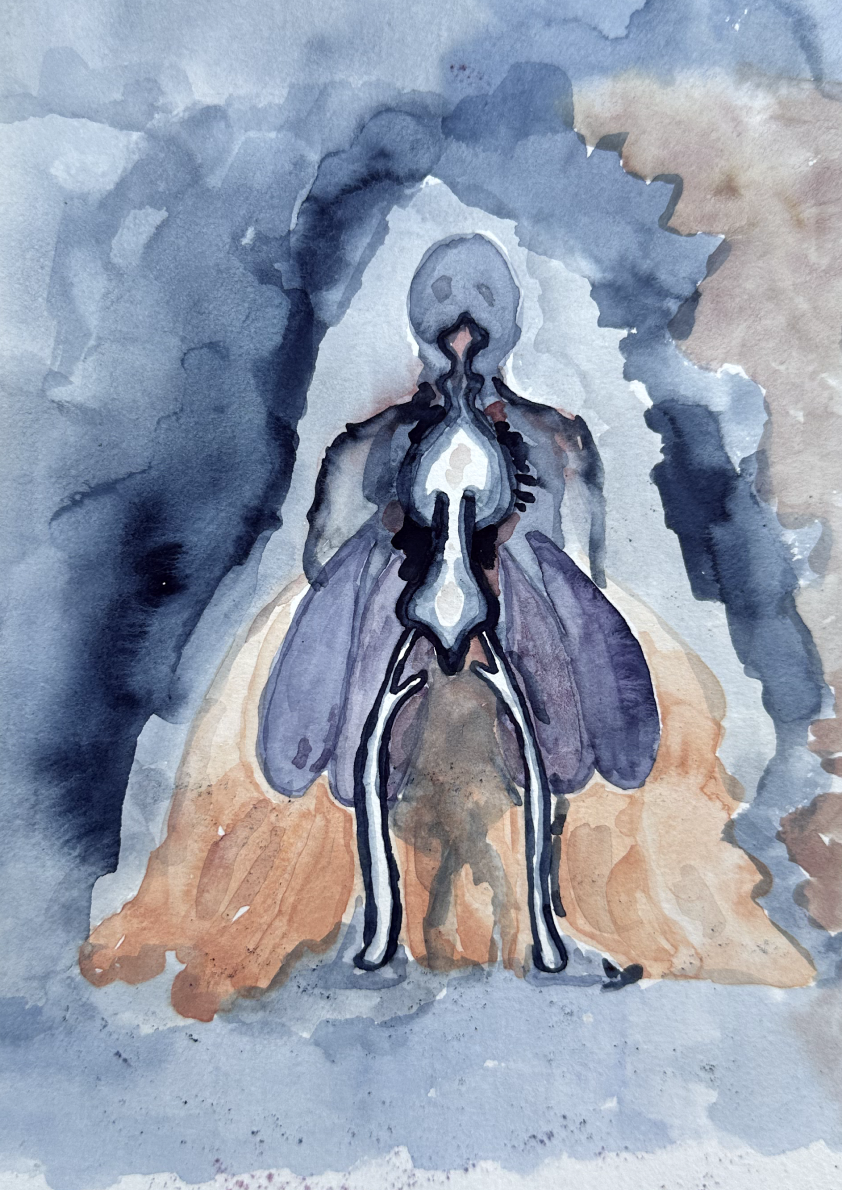
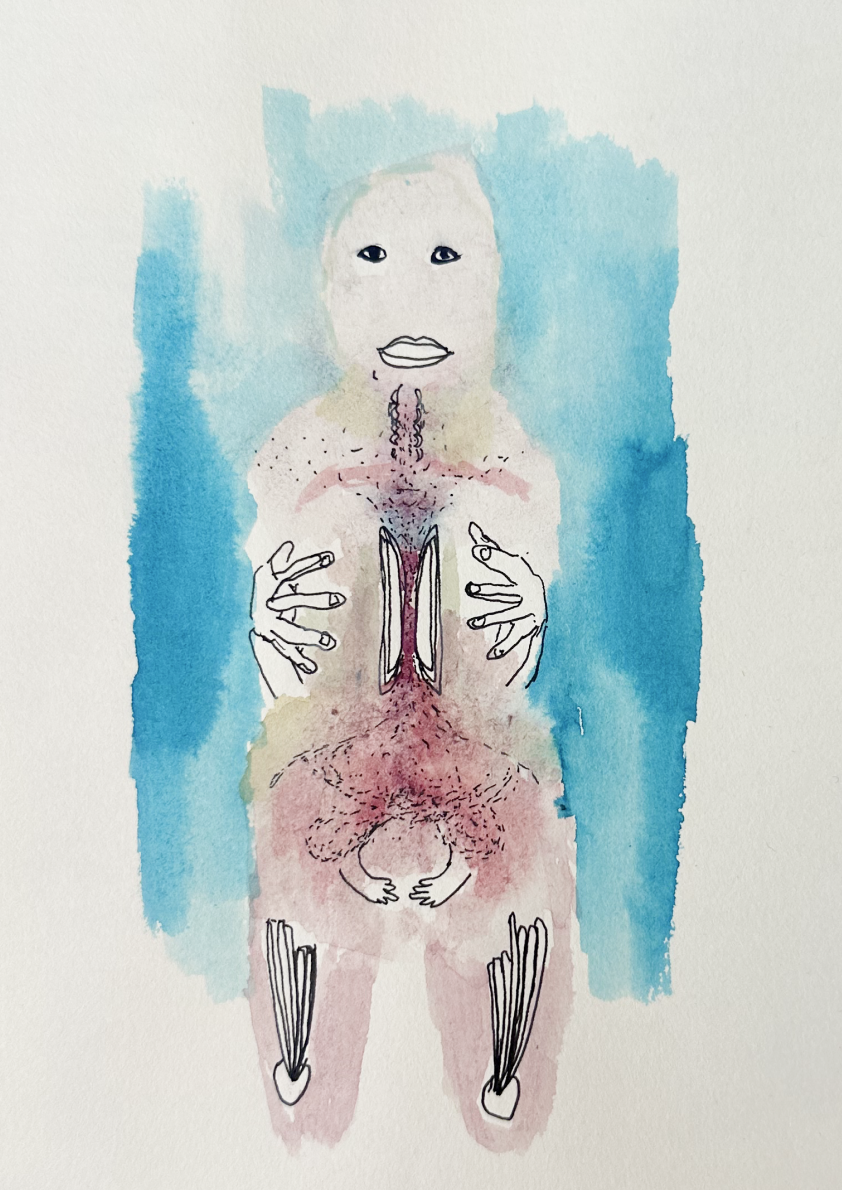
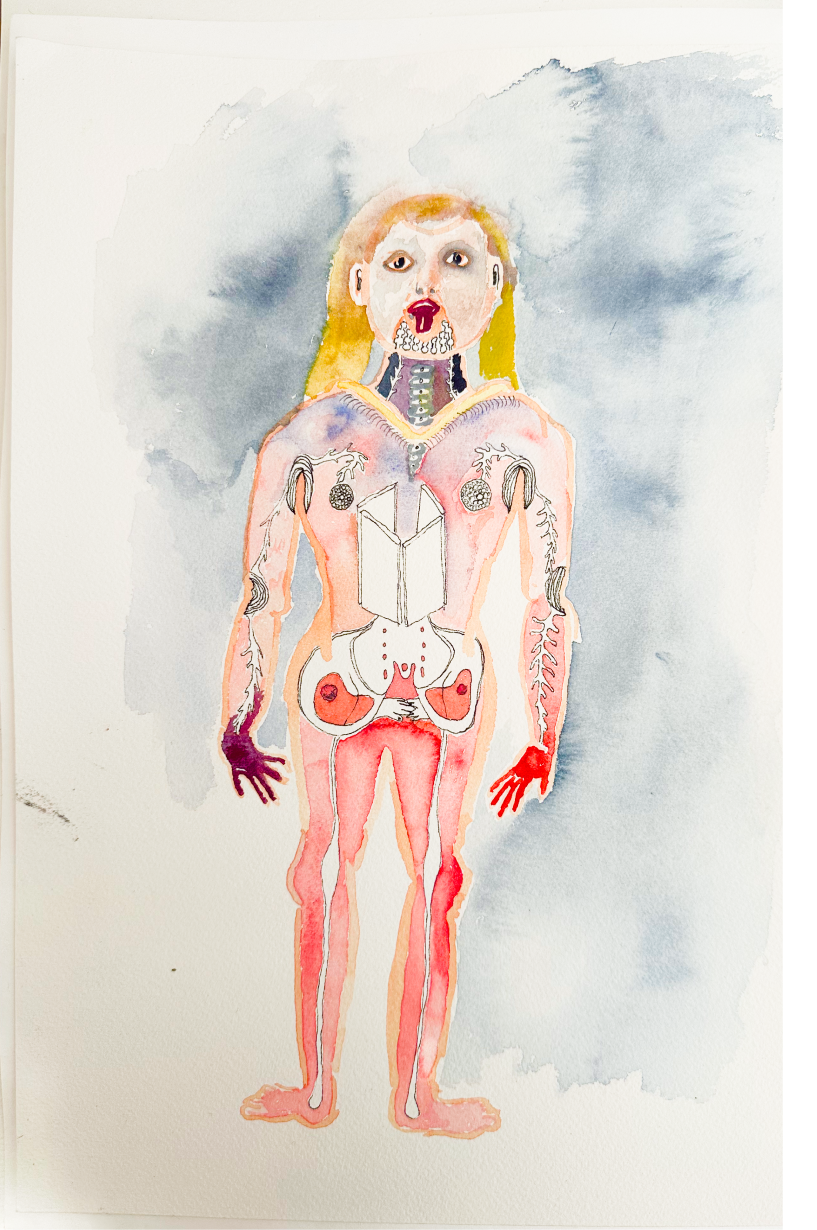
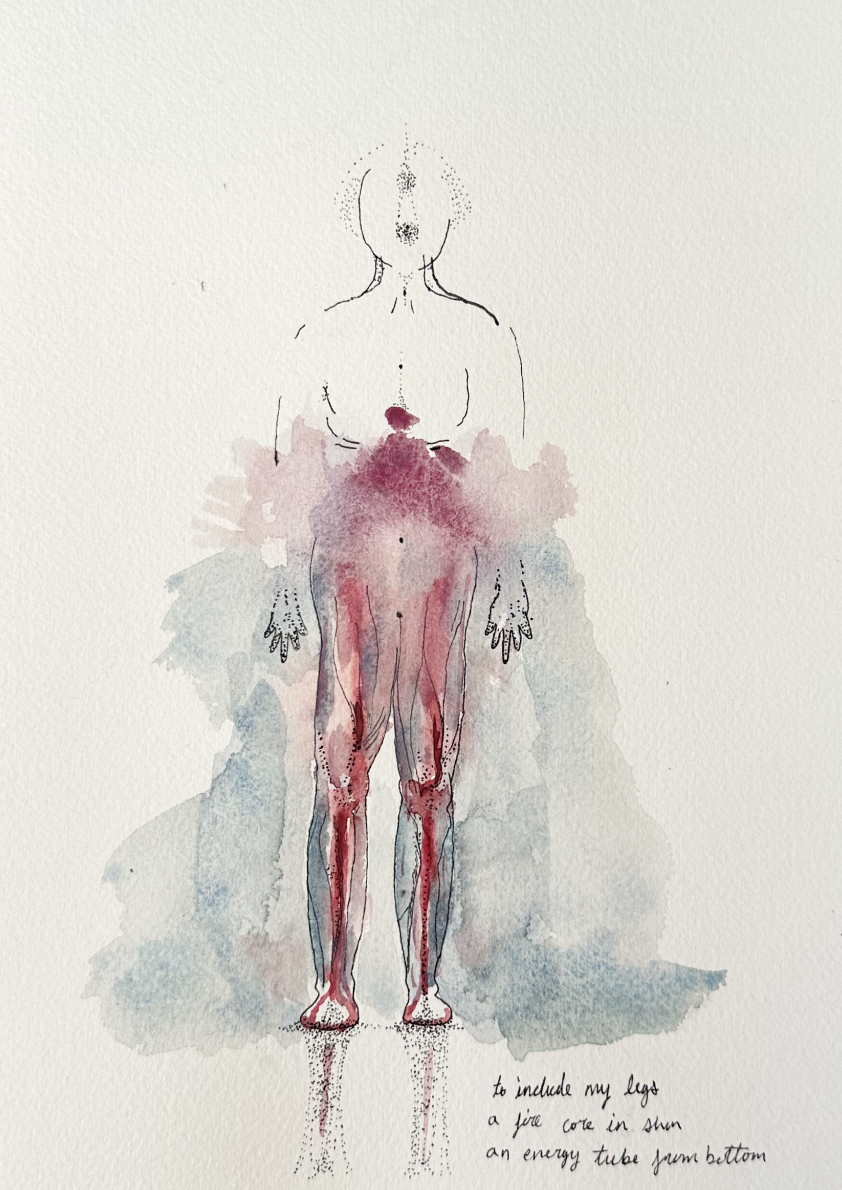
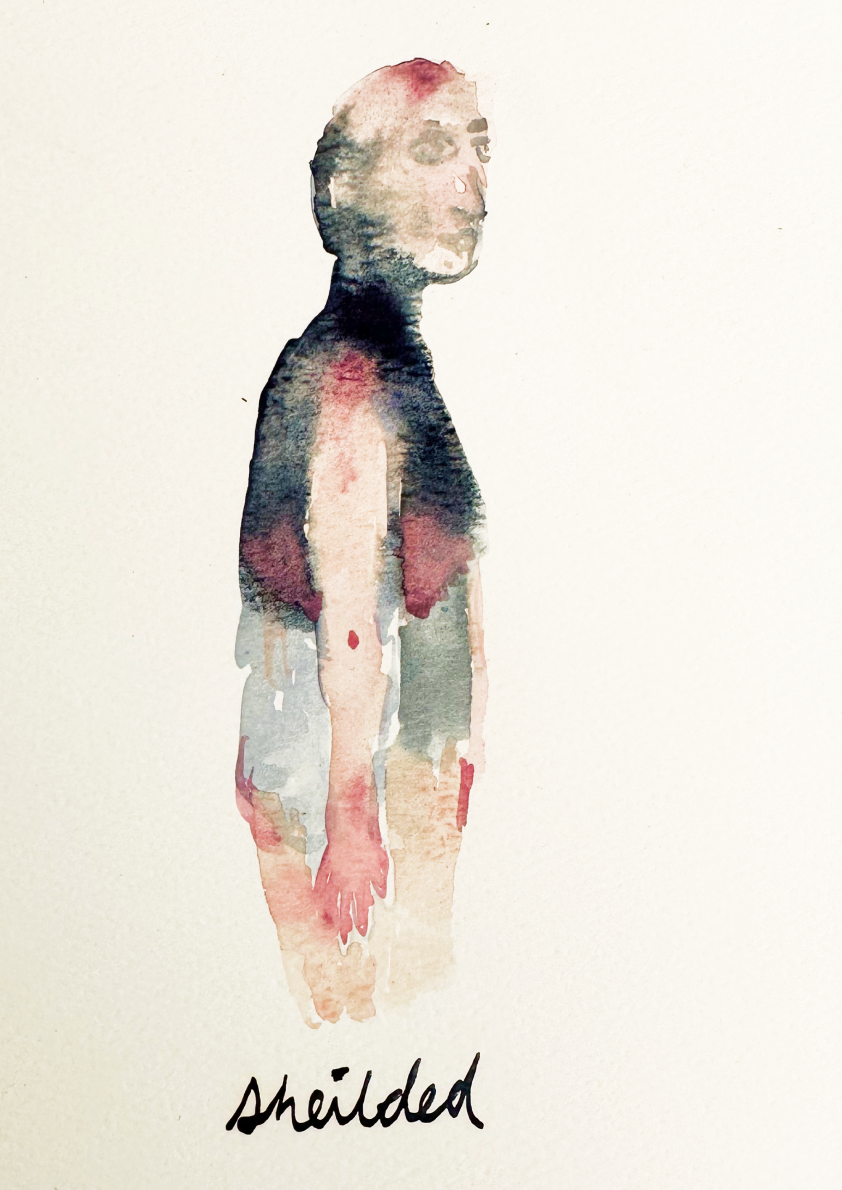
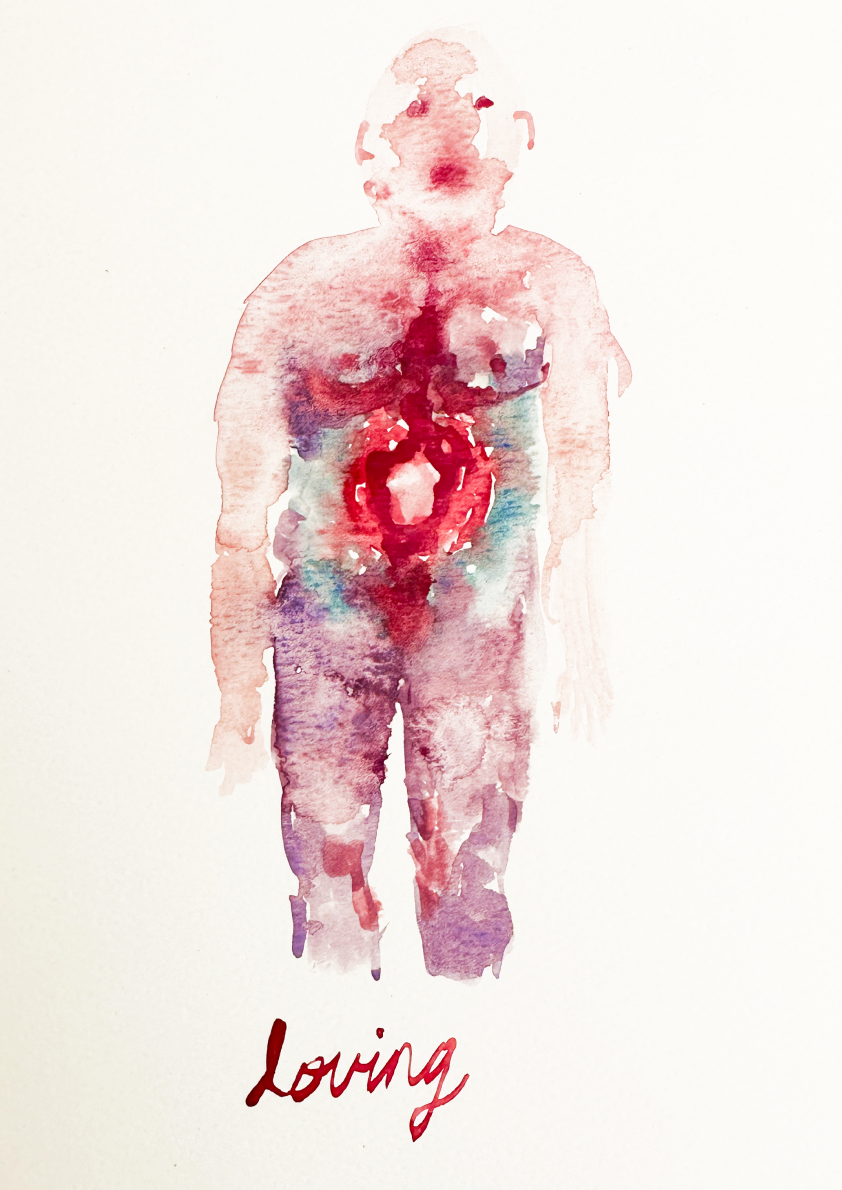
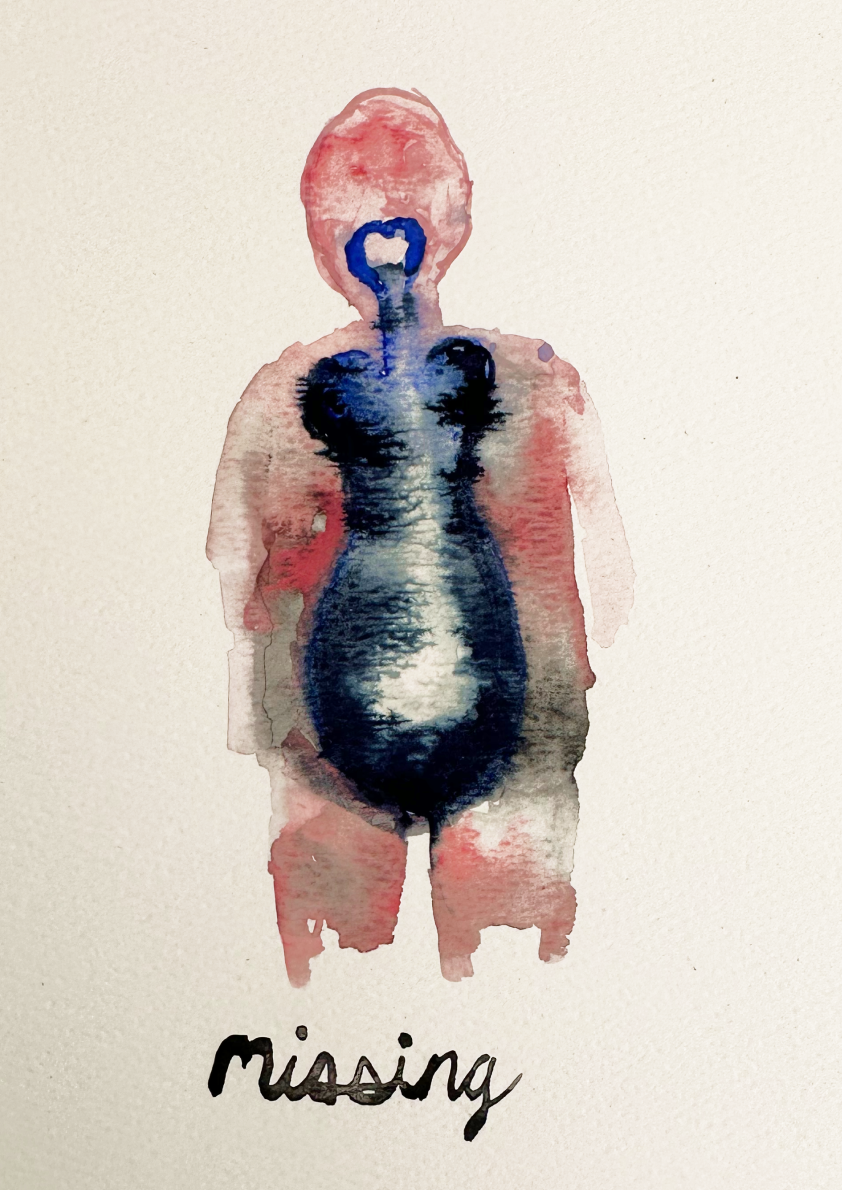
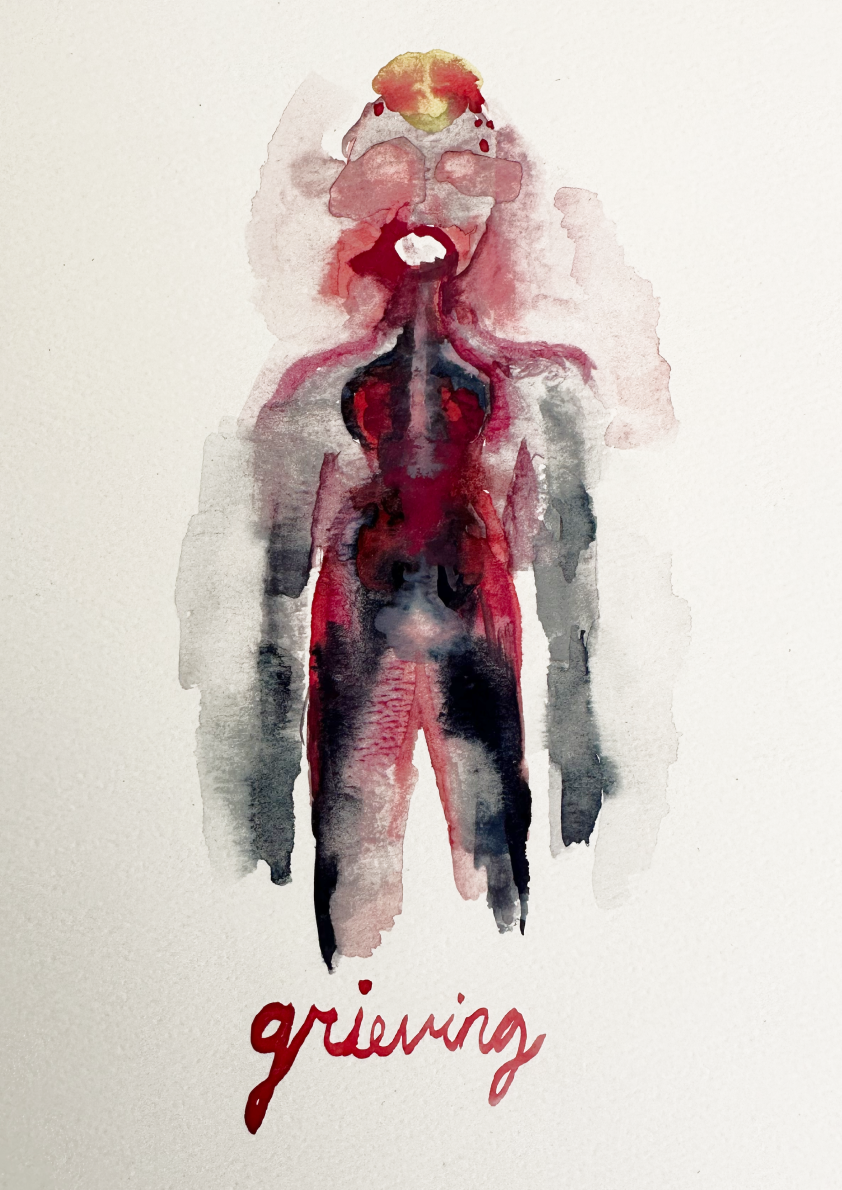
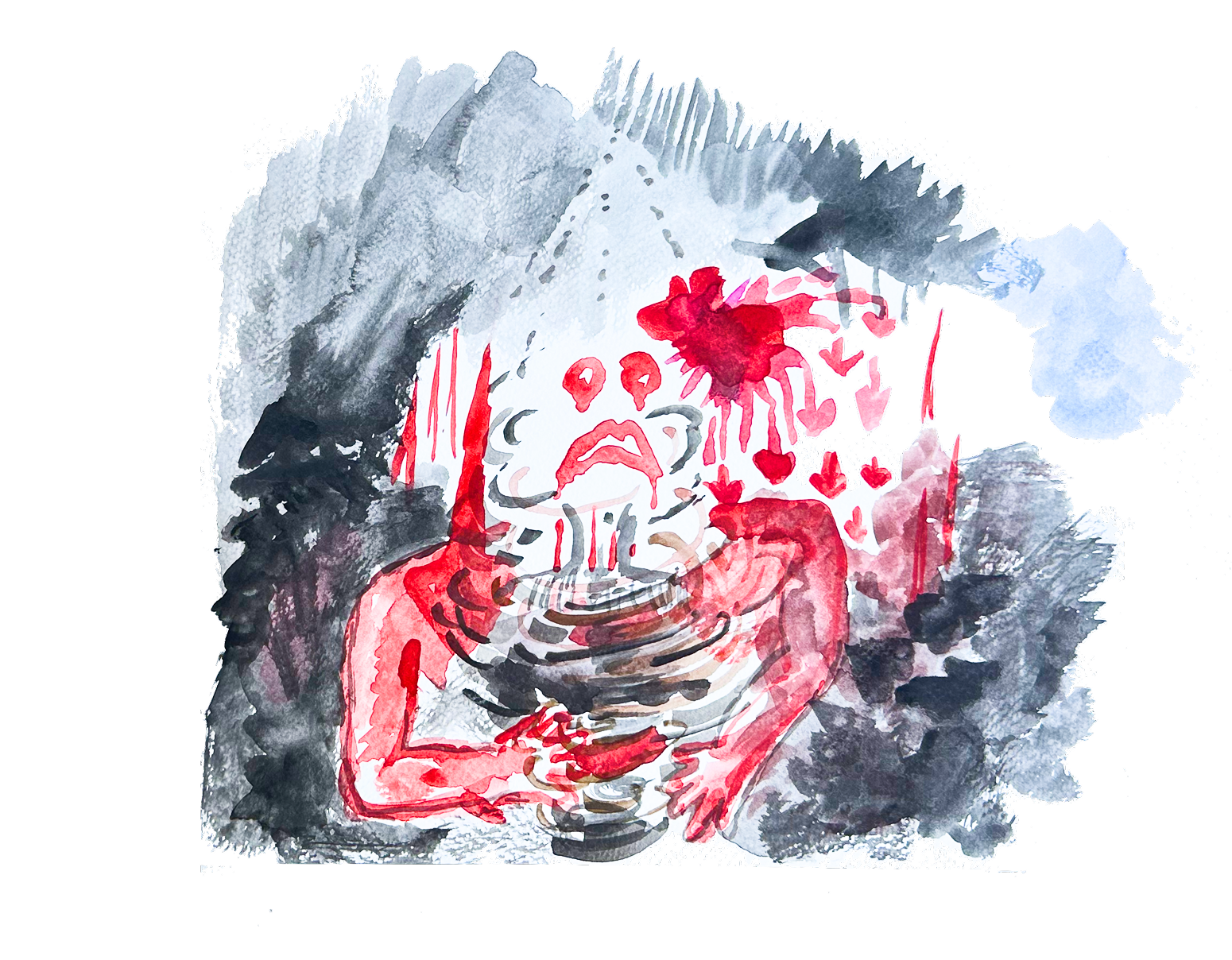
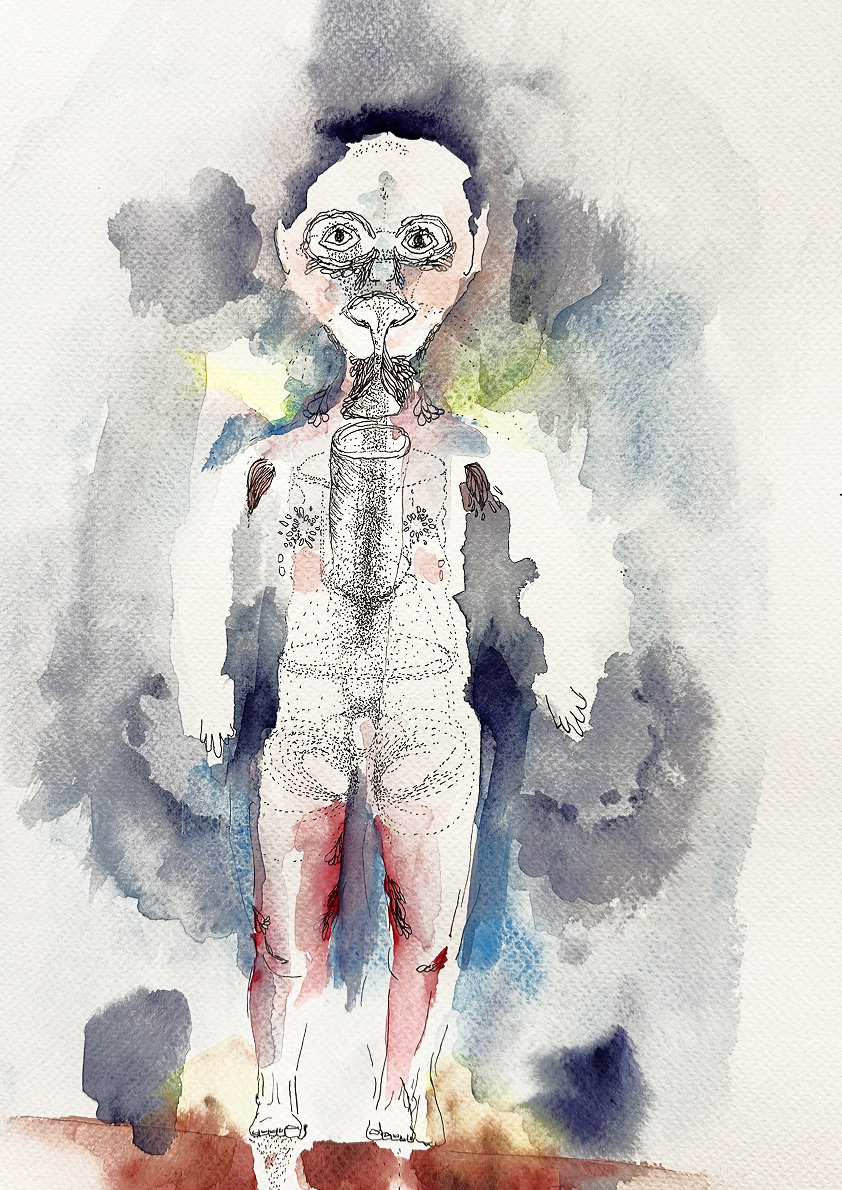
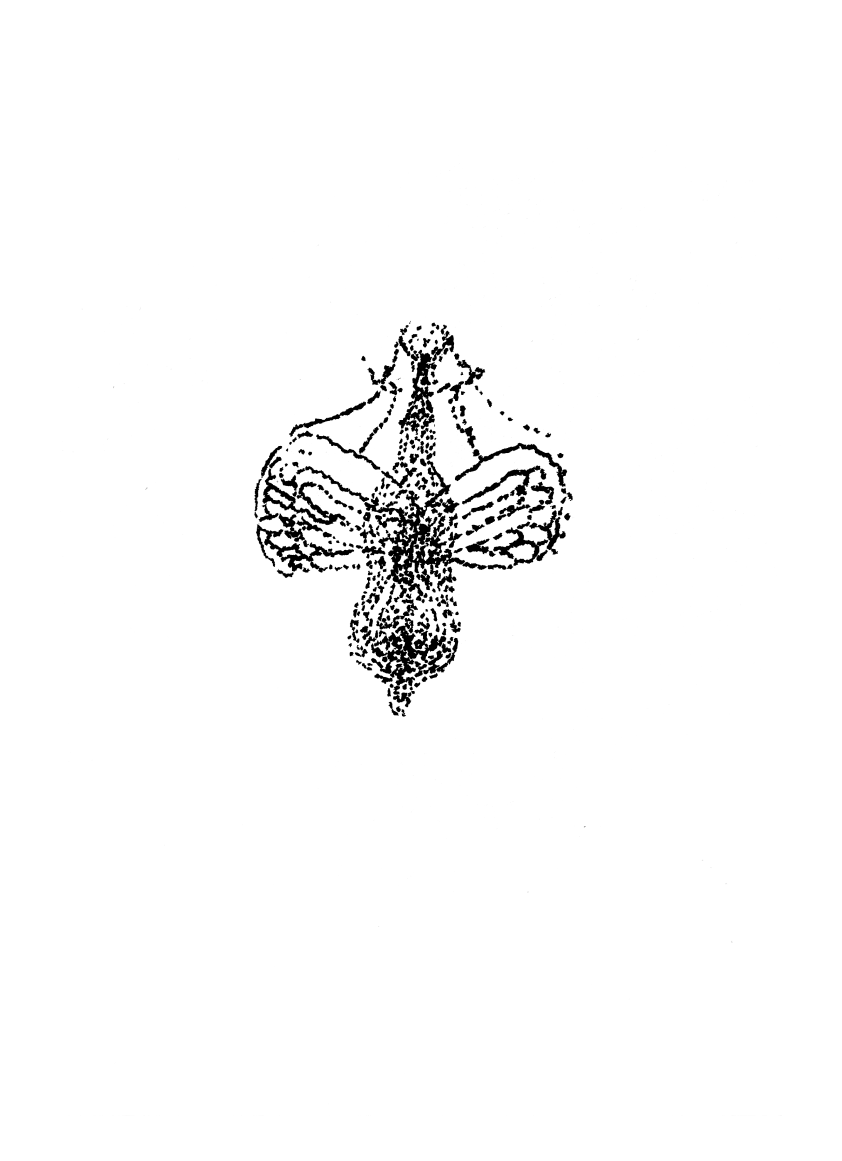
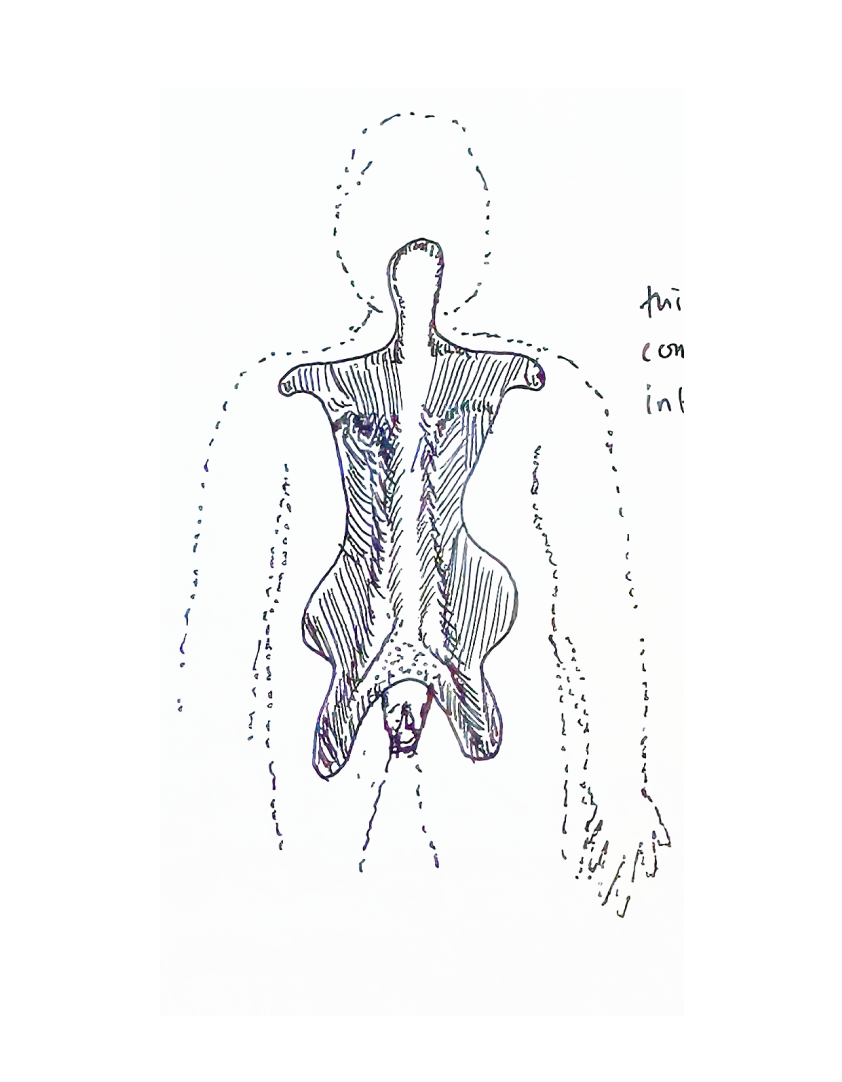
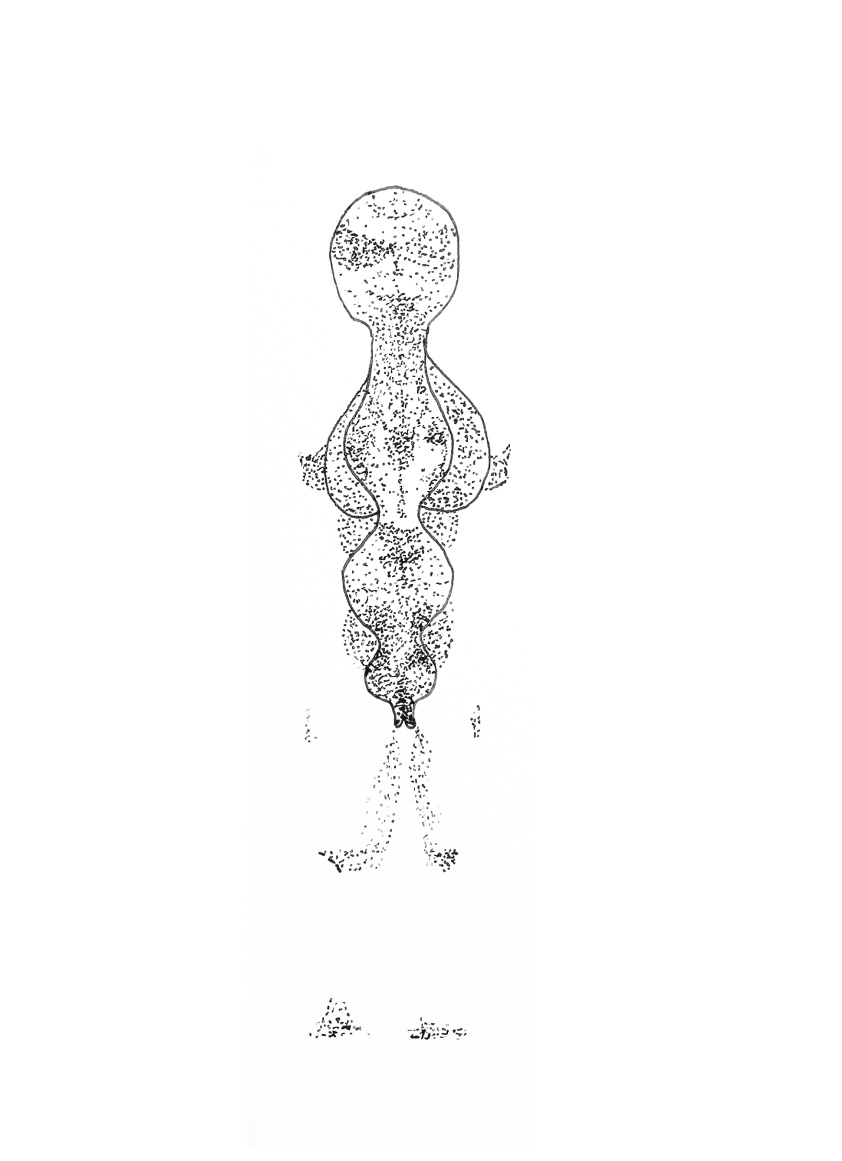
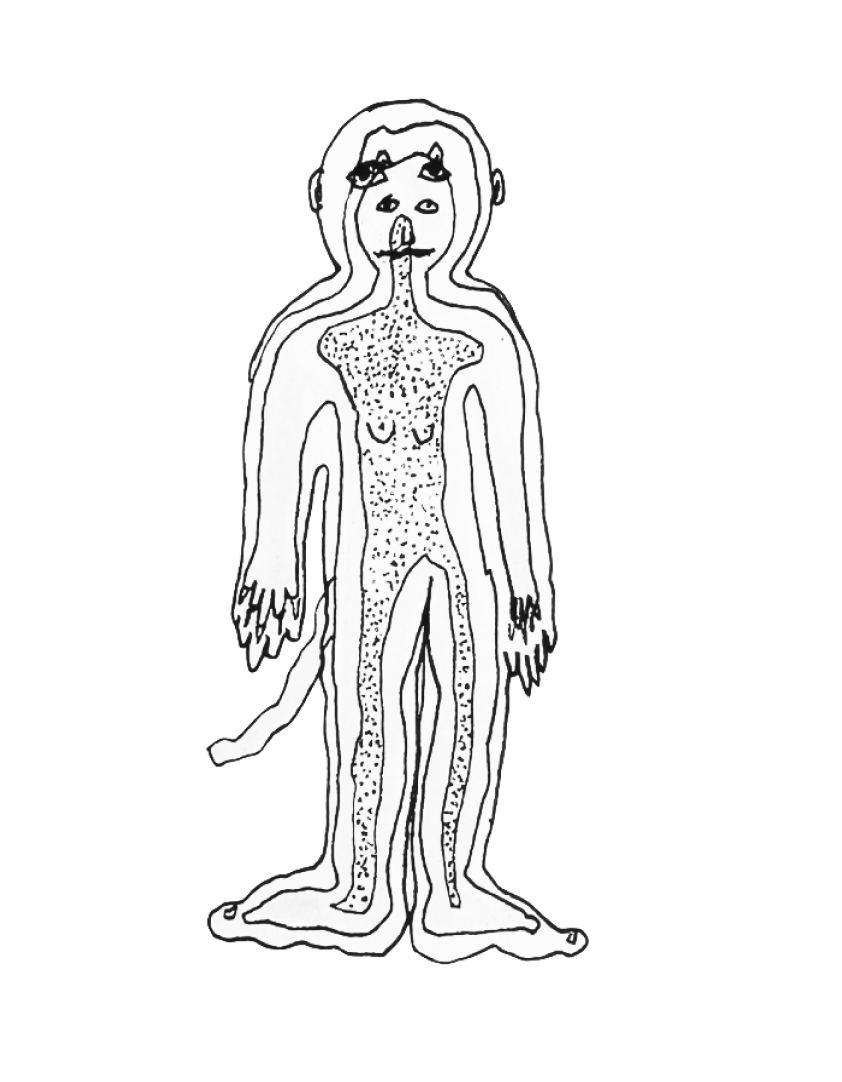
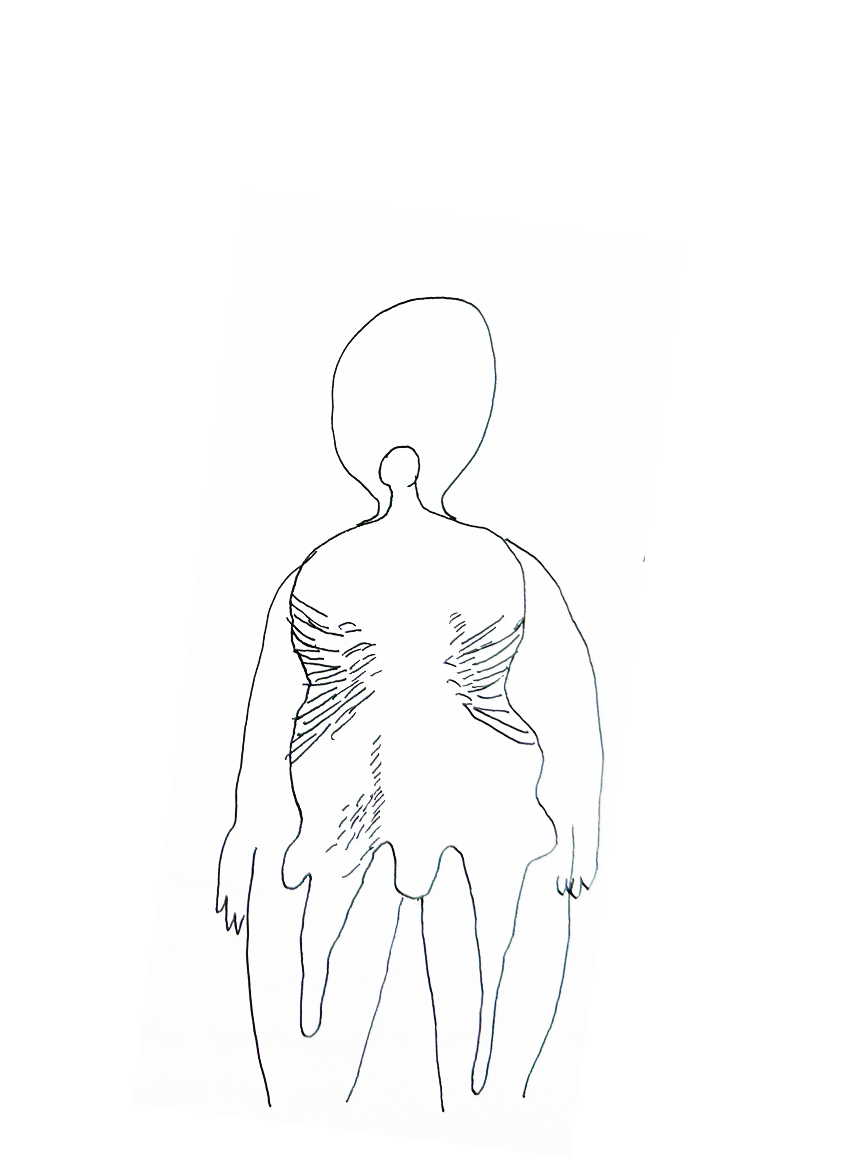
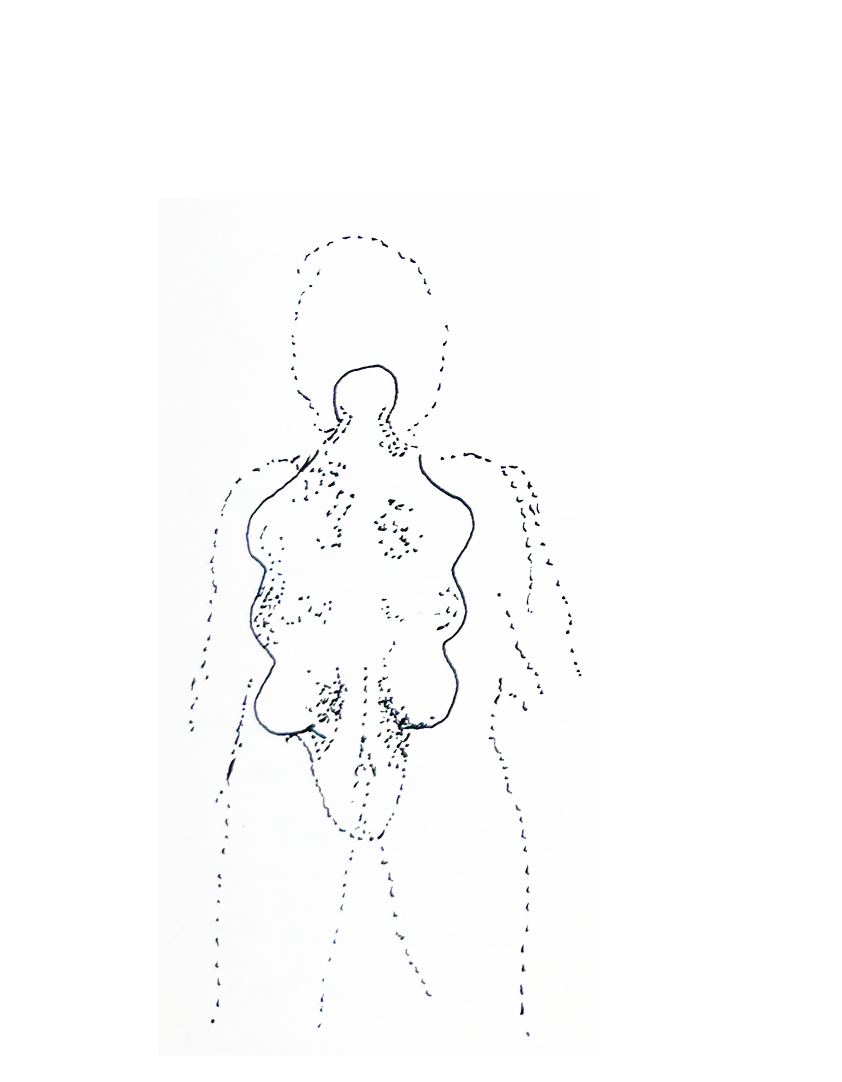
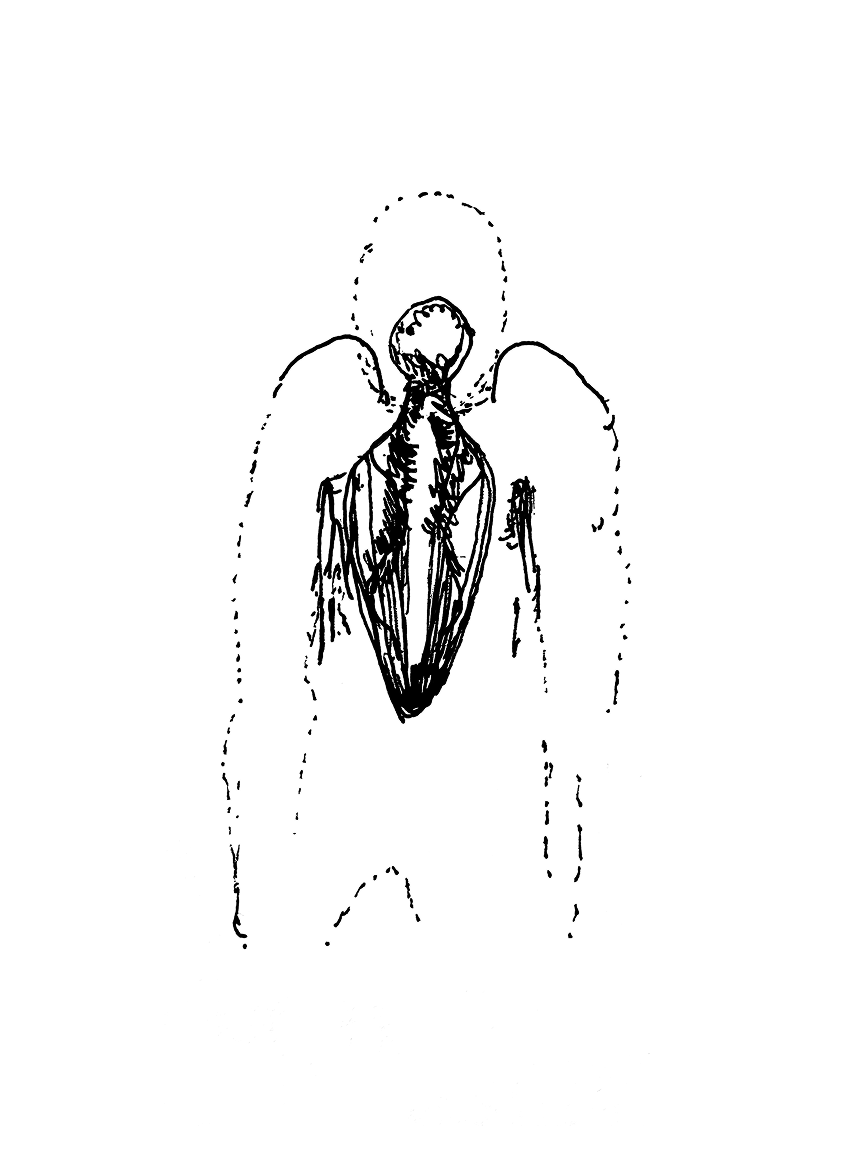
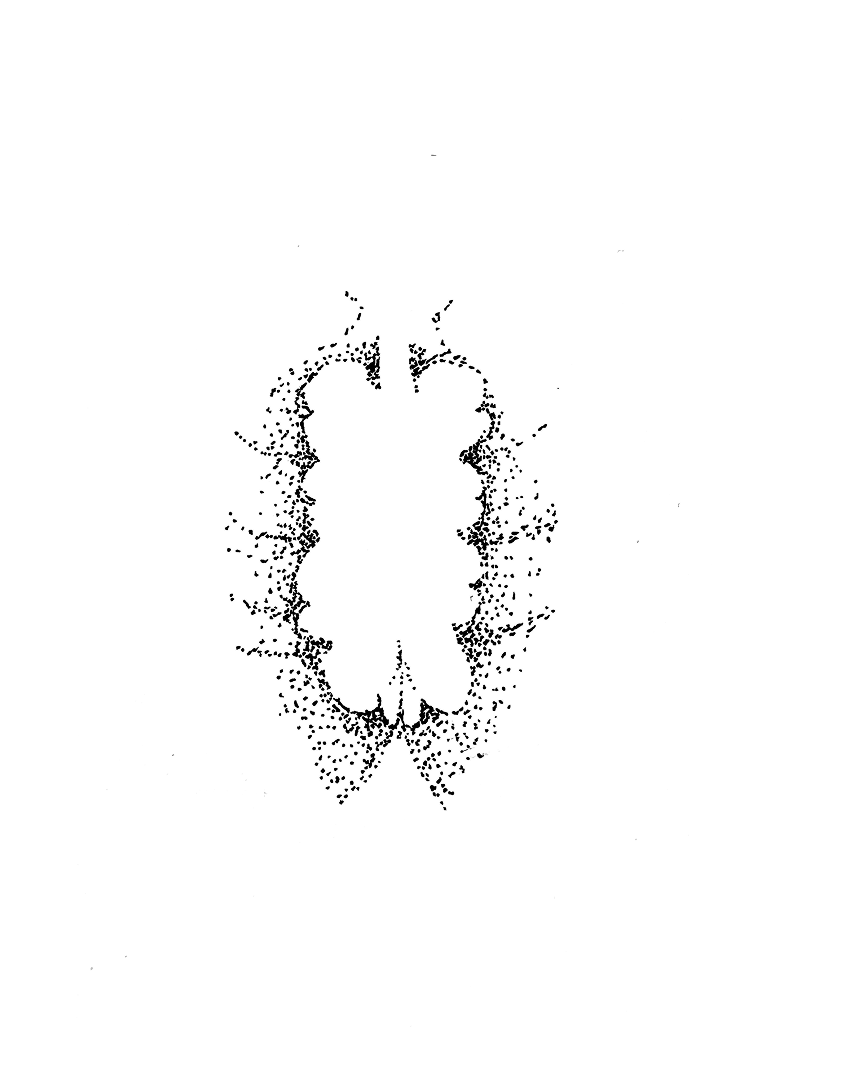
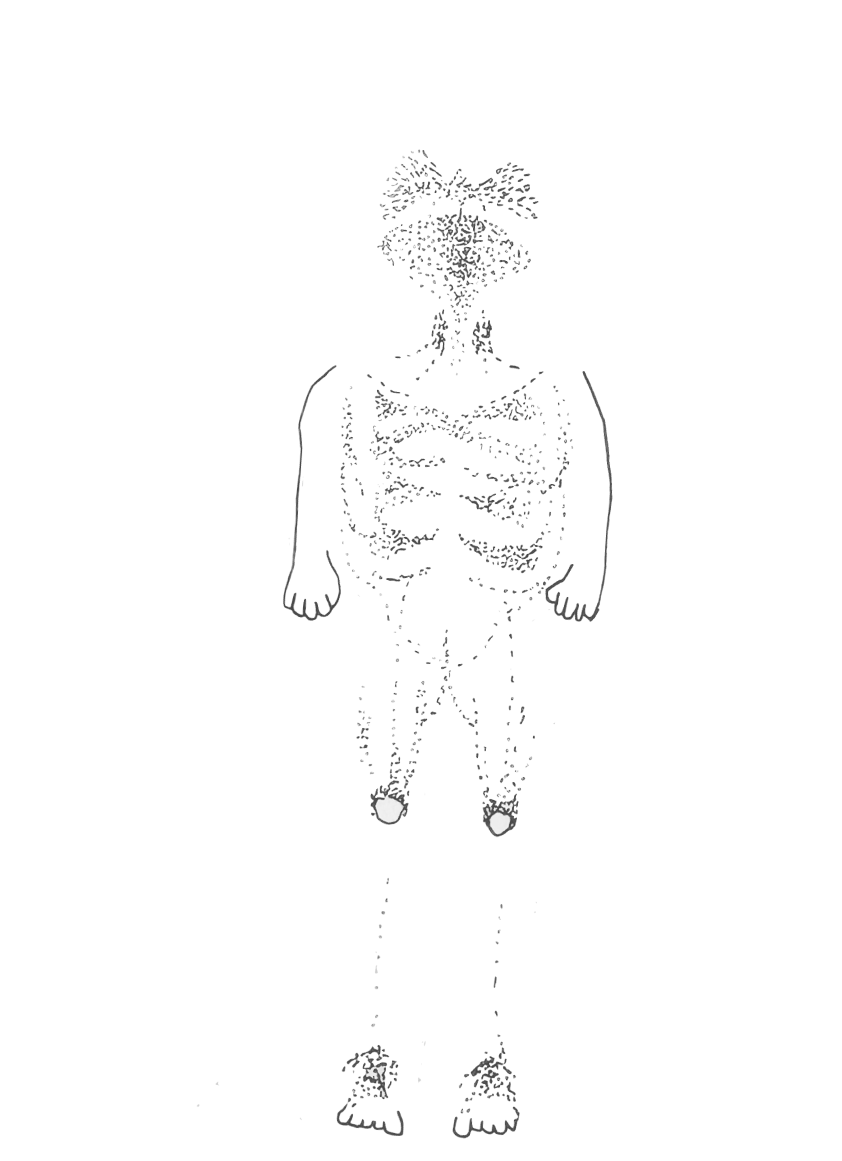
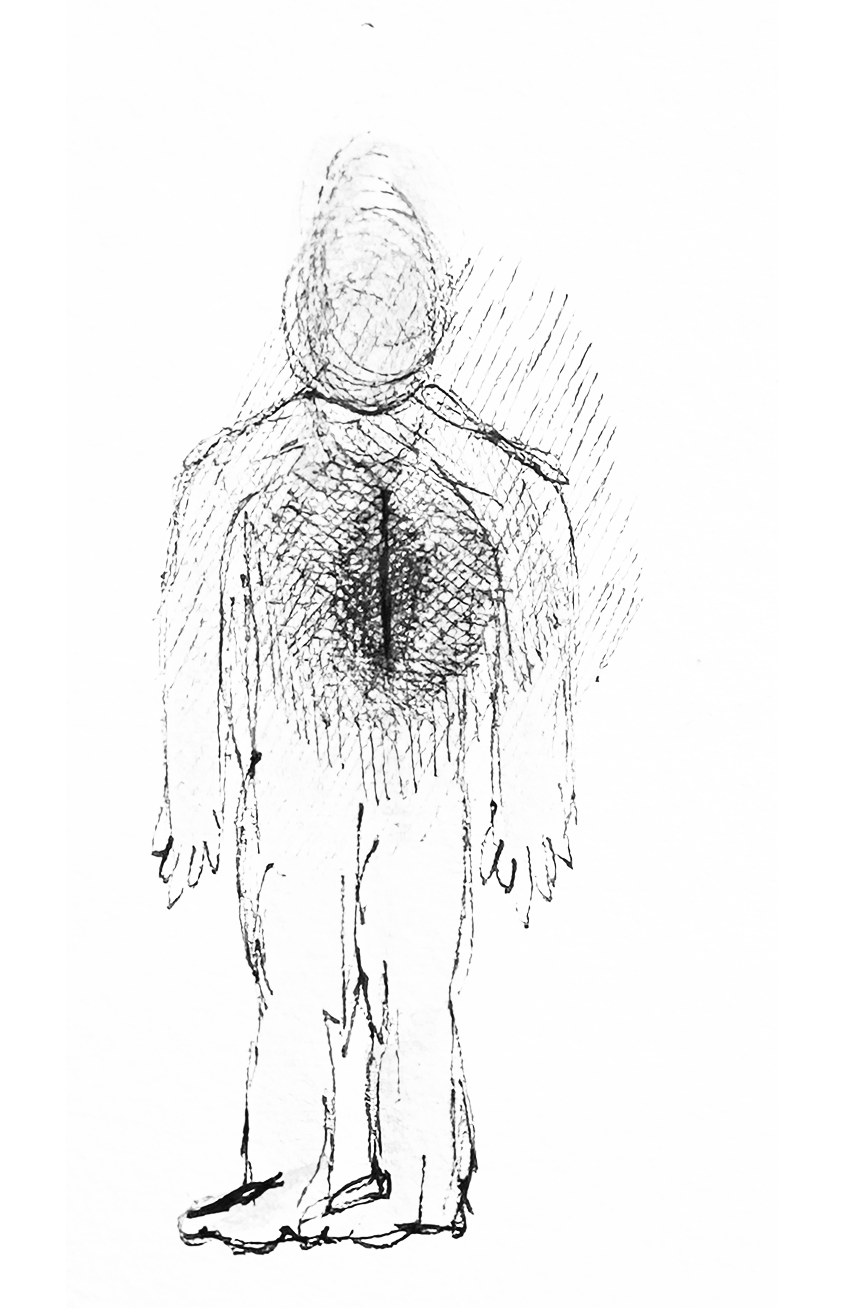
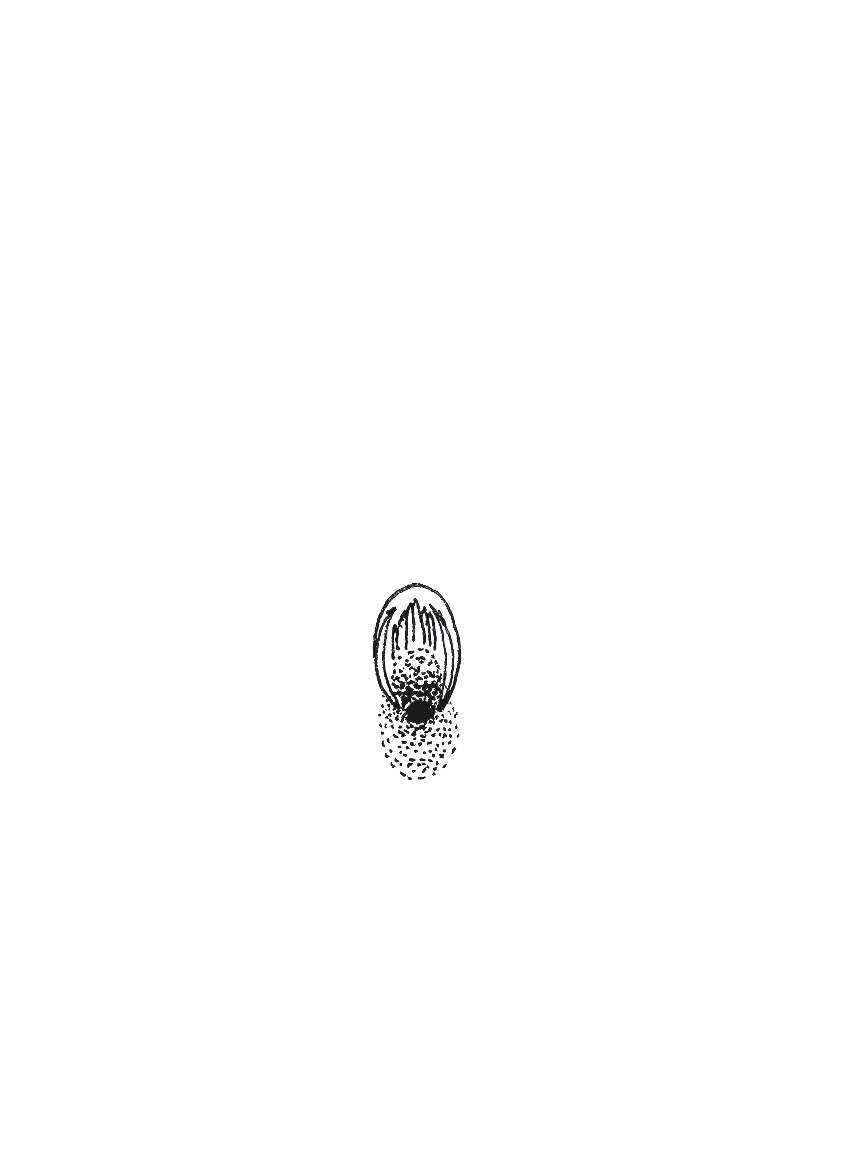
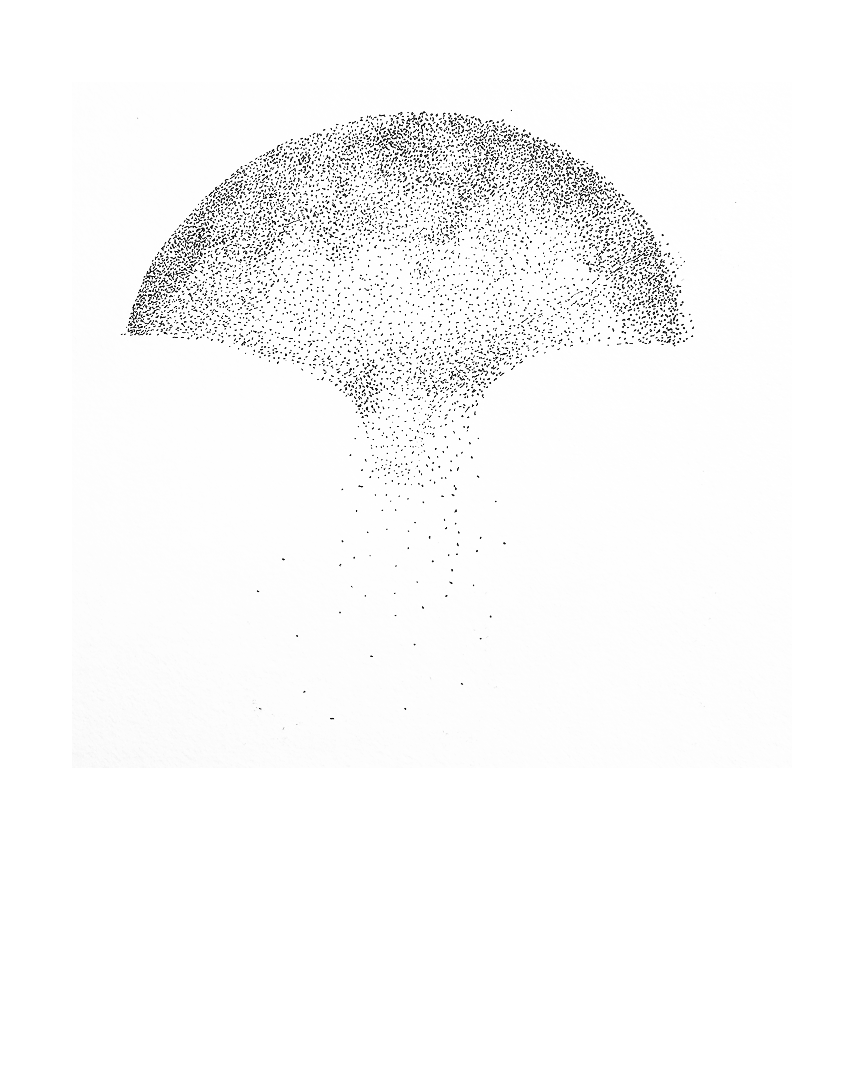
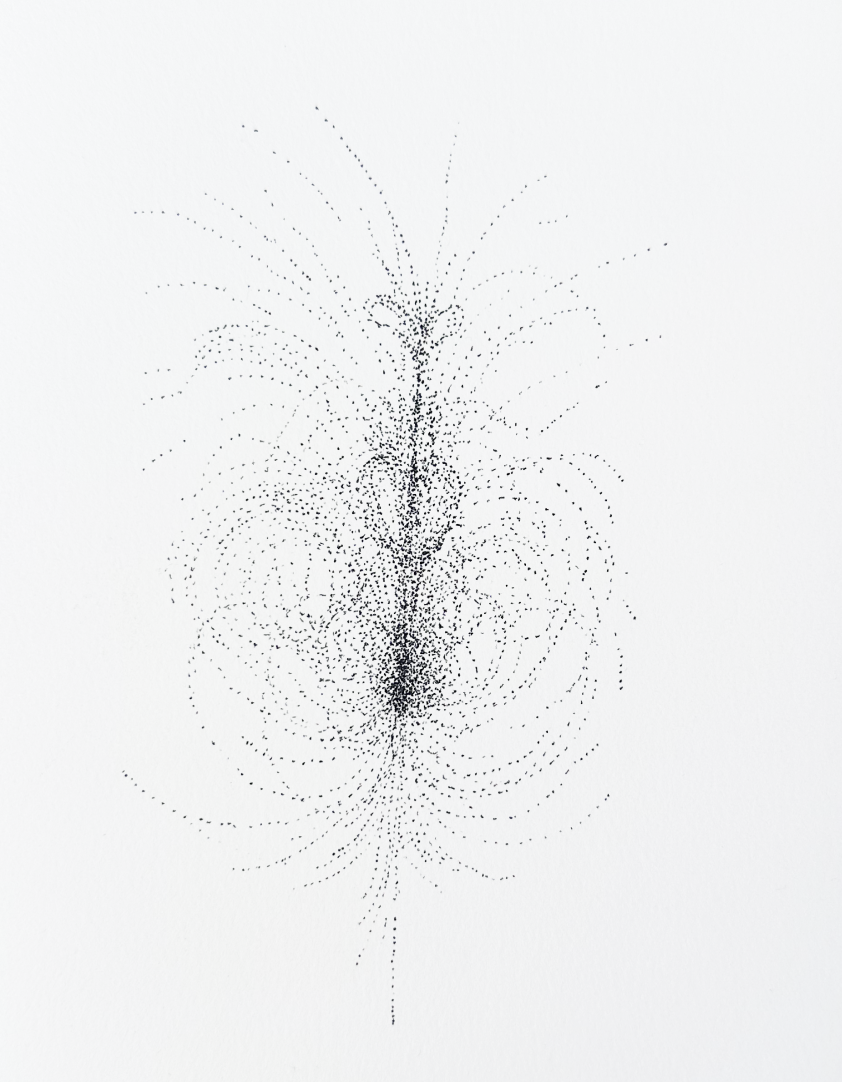
One always learns something by drawing. Art is a medium for understanding. These paintings are an artifact of a type of sense making. Making them is a fundamentally different process than that of the technological as it is fully embodied, somatic, experiential. It is knowledge that is not fact full, it comes from the inside, it has no words or numbers.
The following images are made through my body - the ink on the page is placed by my fleshy-boney hand, it is not a translation of electricity or light through a machine. Ramon y Cajal's hand drawn neurons discovered a whole organizational system that had not been understood before. The microscope enabled it, but did not produce it.
I call these images Somagrams, images of body layers; anatomical, emotional, cognitive, and behavioral. I came to know this image type through studying Stanley Keleman's work of formative psychology and practicing the method he developed called Voluntary Muscular Effort (VME). Keleman was the director of Berkeley's Center for Energetic Studies in 1968. He worked closely with medical illustrator Vincent Perez to visualize his theories. He visualized the framework beautifully. Through interoception and VME I have tried to sense and to image make of these experiences. I longed to see what grief, joy, desire, love looks like in the body, physically and emotionally.
The truth that is felt, not measured, comes from the body. I have felt what it feels like to be a machine, to be data, to be a river, to be a forest filled with dew. I think we all decide on certain metaphors for our bodies. How do you think of yours? What makes it work well? Oil? Water? We are influenced by the images we see, are given and make. Some through a mirror, an MRI, a chart of numbers. What does my pancreas look like? How does it work? We are embodied and disembodied by our actions and by our thoughts.
We must get to know ourselves somehow. For me, image making is a big piece of how I know myself and my experience. The technologies, the metaphors and the images of bodies I have collected here are all options, they are vocabulary for our self image making. None are right or wrong but different layers, lenses and dimensions of our bodies and our health.
Generous and Safe
Generous at cost
Weighted
Supporting
Forming
Including
Shielded
Loving
Missing
Grieving
Very low blood sugar
Opening
Heart and Breath
Connected and Formed
Heart and Breath
The four layers
I will know
I know
I don't know
Innerspace
Heart and Wide and Long
Full
Center
Spirit
A sleeping one
Part Six
Conclusion
"In that empire, the art of Cartography reached such perfection that the map of a single province occupied the whole of a city, and the map of the empire took up an entire province... succeeding generations understood that this extended map was useless, and without compassion, they abandoned it to the inclemencies of the sun and of the winters."
Jorge Luis Borges, "On Exactitude in Science"
The truth that is felt, not measured, comes from the body. I have felt what it feels like to be a machine, to be data, to be a river, to be a forest filled with dew. I think we all decide on certain metaphors for our bodies. How do you think of yourself? What makes it work? What makes it yours? We are influenced by the images we see, are given and make. Sometimes through a mirror, an MRI, a chart of numbers. What does my pancreas look like? How does it work? We are embodied and disembodied by our actions and by our thoughts.
Getting to know ourselves is what enables us to make a personal life. We must get to know ourselves somewhere. For me, image making and seeing is a big piece of how I know myself and my experience. The technologies, the metaphors and the images of bodies I have collected here are all options: vocabulary for our self image making. None are right or wrong but different layers, lenses and dimensions of our bodies and our health.