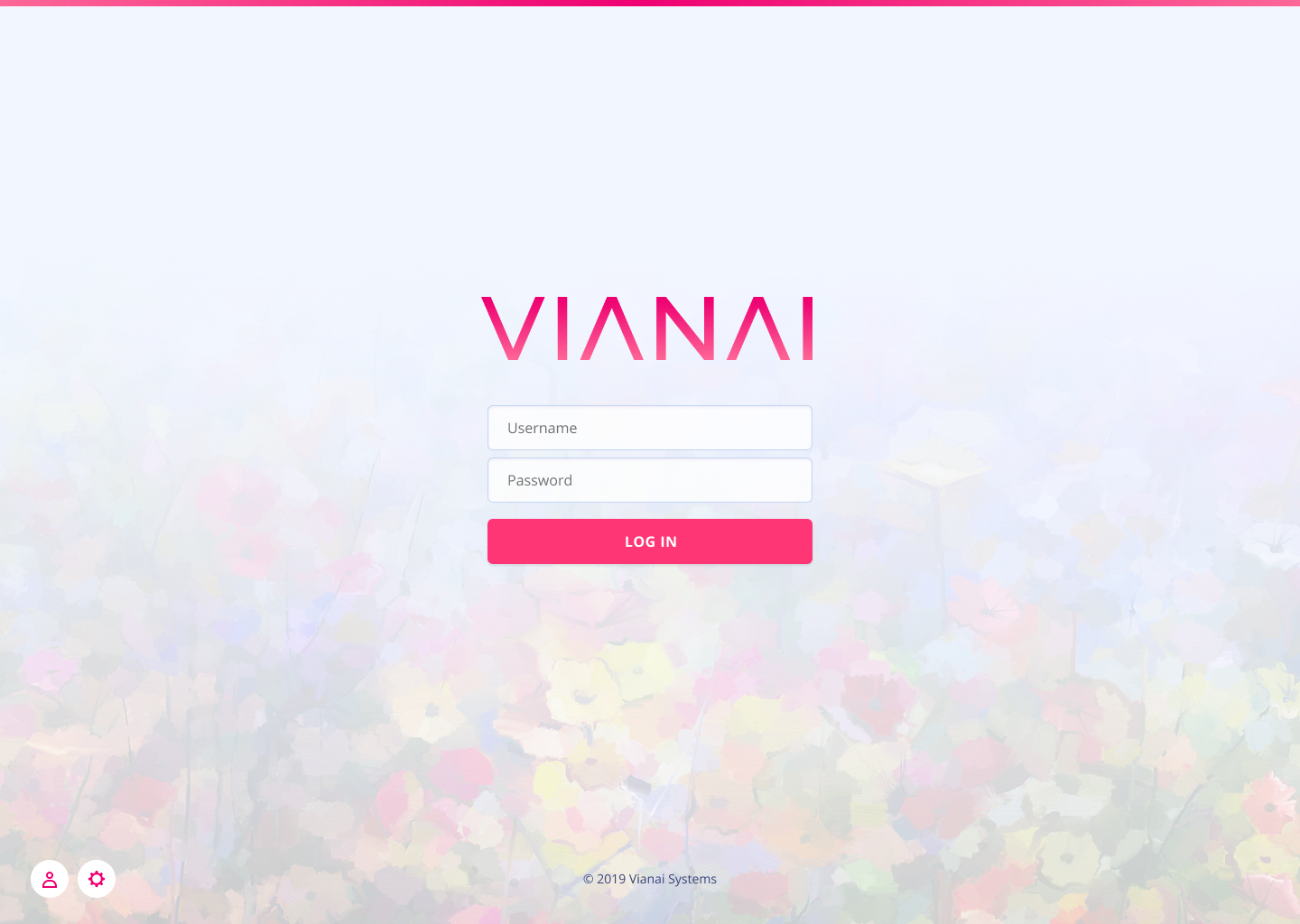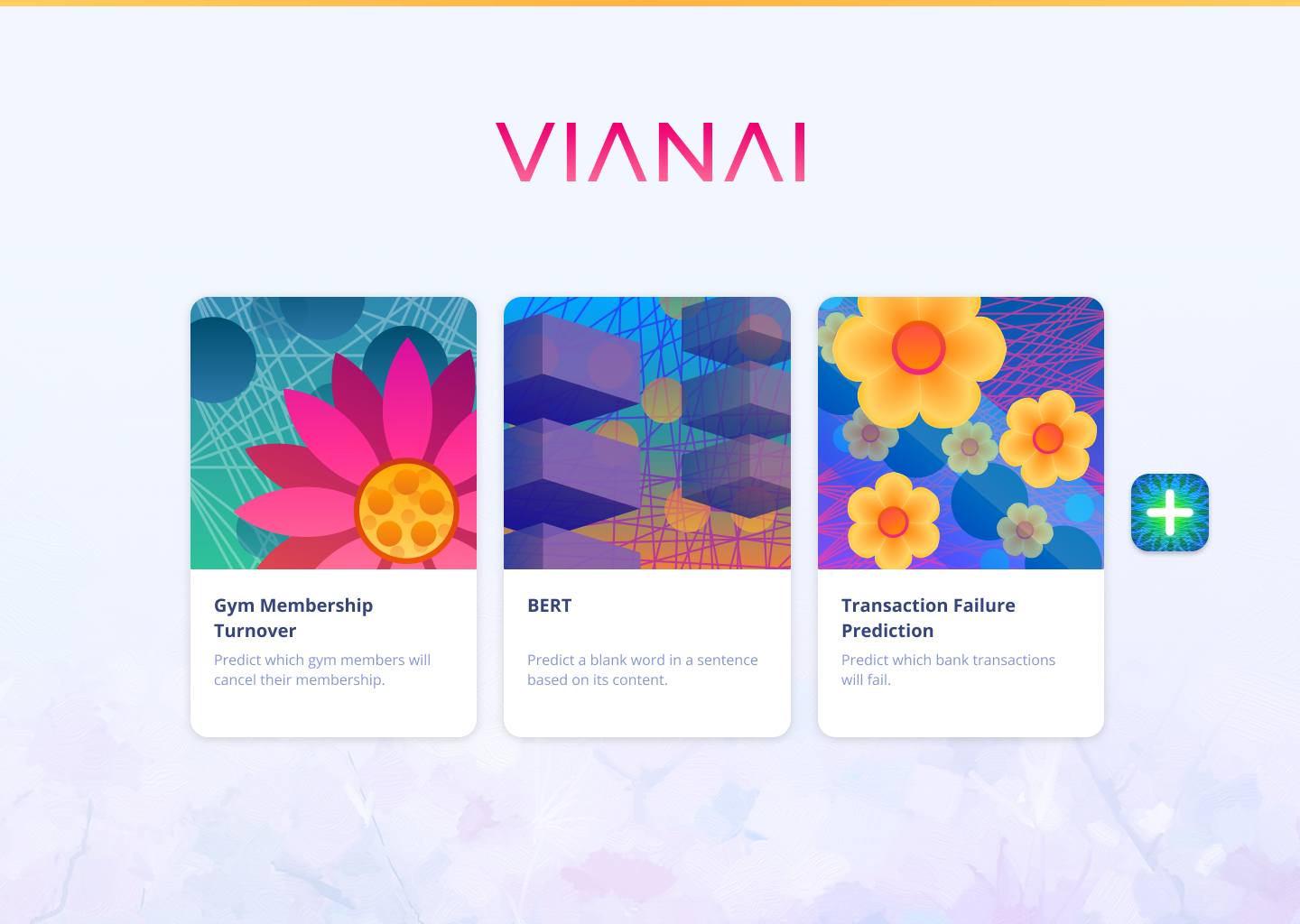
VianAI came to us with a complex problem: they were building an enterprise platform for ML teams, one where data scientists could design experiments, configure models, and interpret results, all in one place. The product was technically ambitious and the users were skeptical. My role was to lead UX design for the core platform, from early research through shipped product, including building the design system the engineering team would use to scale it.
We started by immersing ourselves in how ML practitioners actually work: how they think about model architecture, what they care about when scanning results, and where existing tools created friction. From that research we mapped the end-to-end workflow and made decisions about information hierarchy, progressive disclosure, and a consistent visual language for model components and experiment states. The design system was built alongside the product and documented so engineers could build to spec without a designer in the room.
The platform shipped and was adopted by enterprise ML teams who had previously relied on notebooks and custom tooling. Practitioners could orient to new experiments faster, configuration errors decreased as the UI surfaced constraints earlier in the workflow, and the design system became the foundation for all subsequent product development. VianAI went on to present the platform at Oracle OpenWorld, where it was recognized as a significant step forward in enterprise AI tooling.
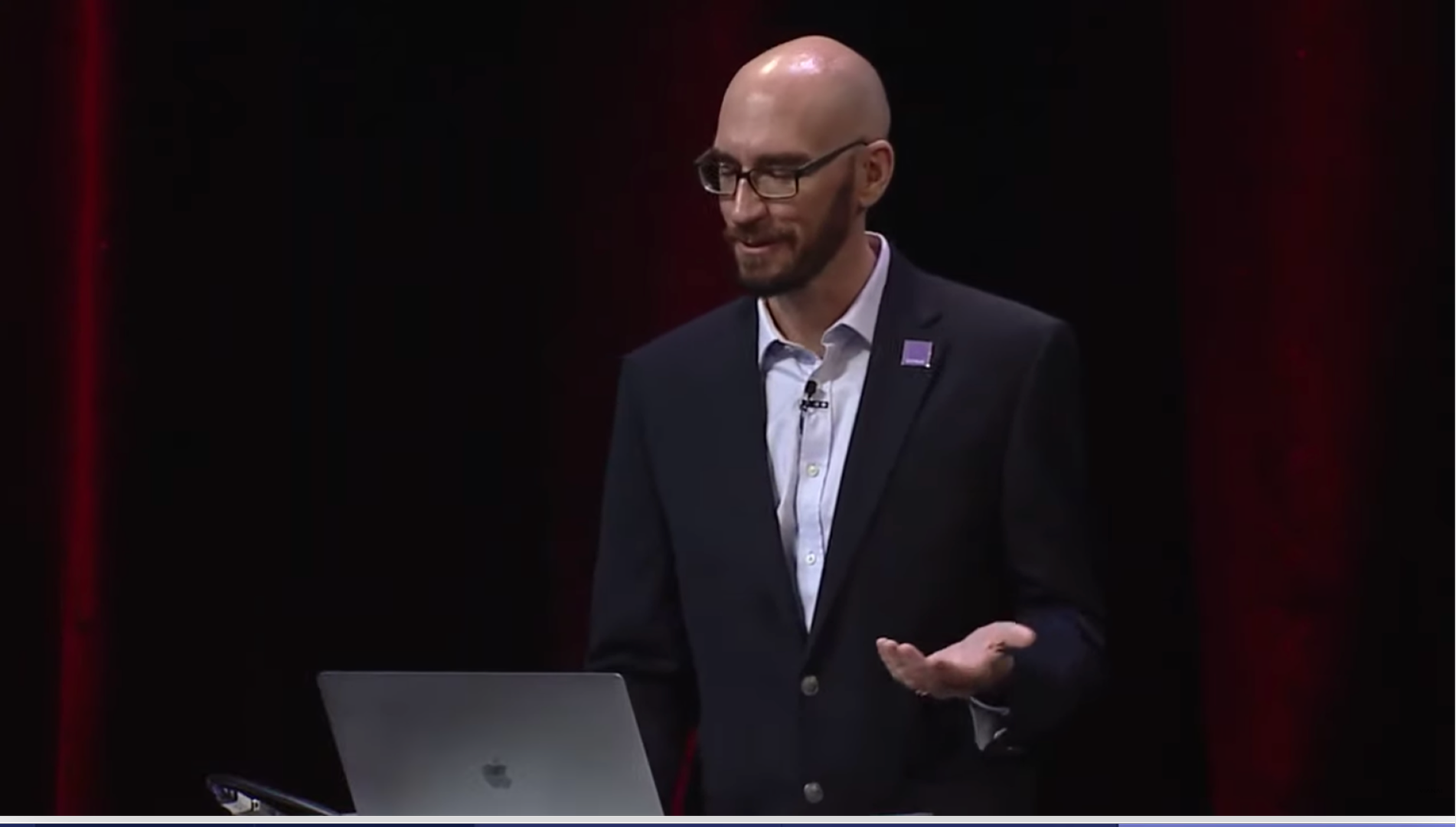
VianAI presenting at Oracle OpenWorld