The Brief
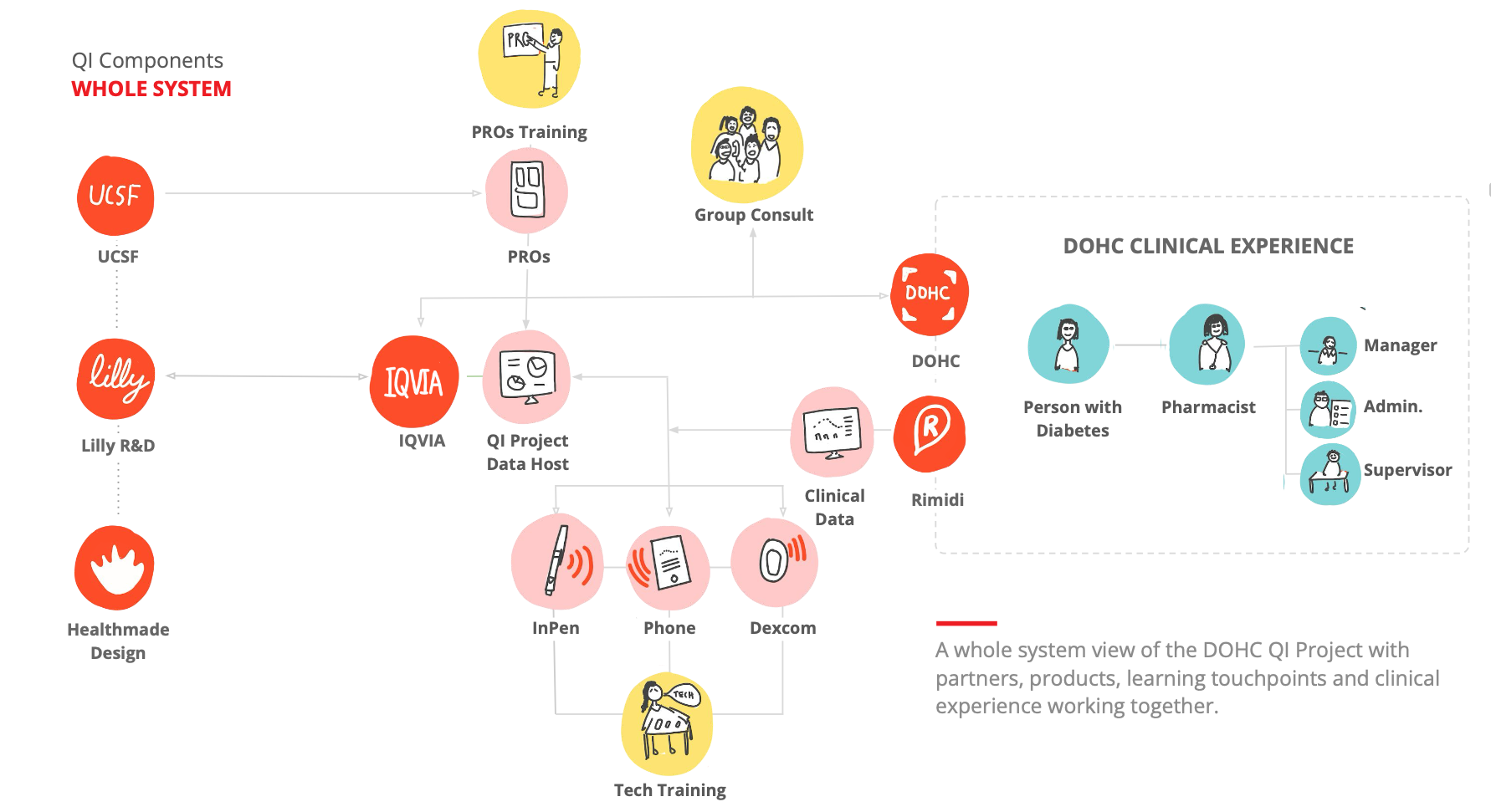
Healthcare providers needed better ways to understand the behavioral and contextual factors affecting diabetes management. Traditional clinical metrics—A1C, blood glucose readings, medication adherence—told only part of the story.
Eli Lilly wanted to explore whether patient-reported outcome (PRO) tools—surveys capturing patients' lived experiences, challenges, and daily realities—could be integrated into clinical practice at scale, and whether they would meaningfully improve care.
Could behavioral context, when captured thoughtfully, transform diabetes care delivery?
The Work & Design
We partnered with Desert Oasis Health Center, a clinic already using behavioral survey tools in practice, to conduct a quality improvement project. Through direct observation, provider interviews, and patient feedback, we studied how these tools were being used in real clinical workflows and what value they provided to both patients and care teams.
Research & Observation
Our approach combined direct clinical observation with stakeholder interviews to understand how patient-reported outcomes functioned in real practice:
- Clinical workflows: Observed how providers integrated PRO data into patient visits
- Provider perspectives: Interviewed care teams about the value and challenges of behavioral tools
- Patient experiences: Gathered feedback on how surveys affected care conversations
- System integration: Documented technical and operational requirements for scale
Synthesis & Strategy
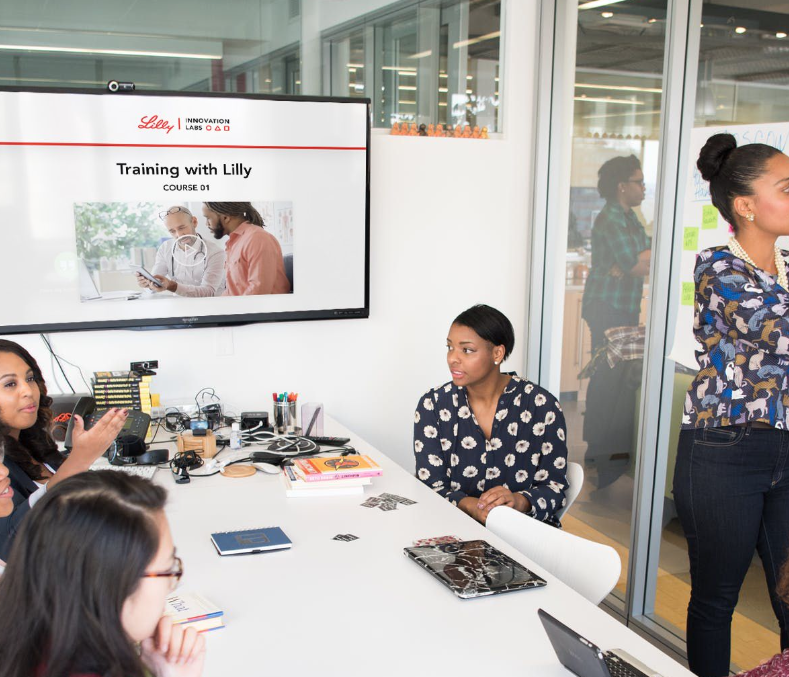
We synthesized our learnings into compelling deliverables that demonstrated the value of patient-reported outcomes and outlined a pathway for Lilly to scale this approach across care settings nationwide. The work combined patient voices, clinical impact data, and strategic recommendations into a cohesive narrative.
The Outcome
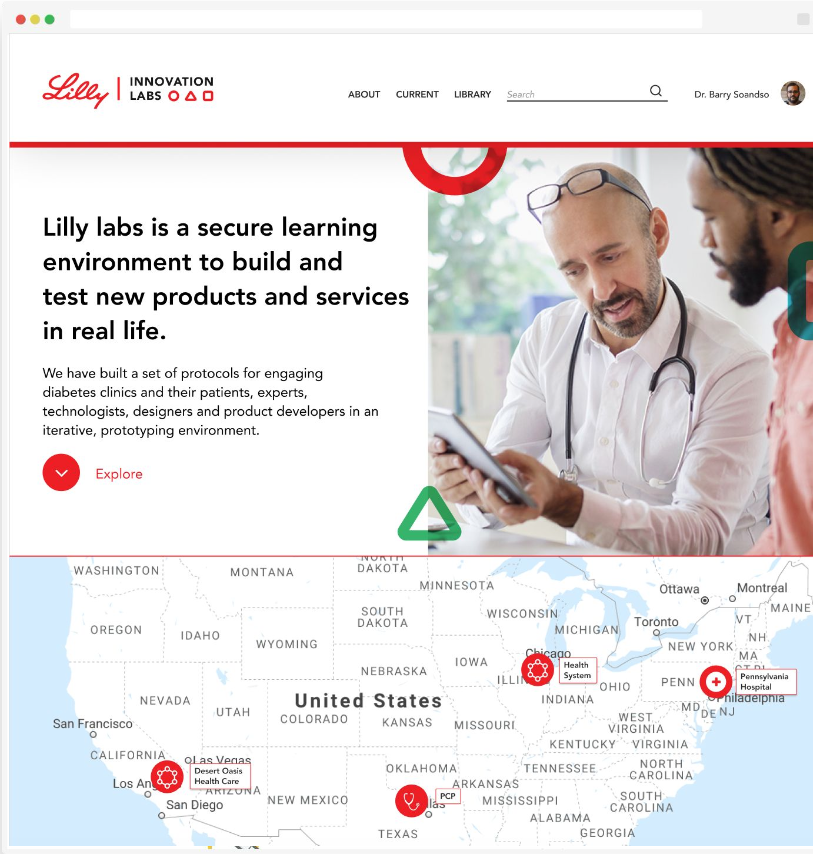
Our research demonstrated that behavioral context—when captured thoughtfully through patient-reported outcomes—could meaningfully improve diabetes care at scale. We delivered a compelling video bringing patient voices to life and a strategic deck outlining Lilly's pathway to implement behavioral tools across their care ecosystem.
Real-World Validation
Demonstrated PRO value through direct clinical partnership, provider interviews, and patient feedback
Compelling Story
Video and strategic deck that brought patient voices and clinical impact to life for leadership
Scaling Pathway
Clear strategy for implementing behavioral tools across Lilly's nationwide care ecosystem
My Role
I led the research and synthesis effort, working directly with Desert Oasis Health Center to understand how patient-reported outcomes were being used in practice and what value they created for both patients and providers. Collaborating with Rochelle Ardesher, I translated complex research findings into compelling deliverables—a video that brought patient voices to the forefront and a strategic deck that showed Lilly how to scale this work nationwide.
The Team: Sara Krugman (Research & Design Lead) · Rochelle Ardesher (Research & Storytelling)